National Dish Philippines: Puto (Recipe)
In this article
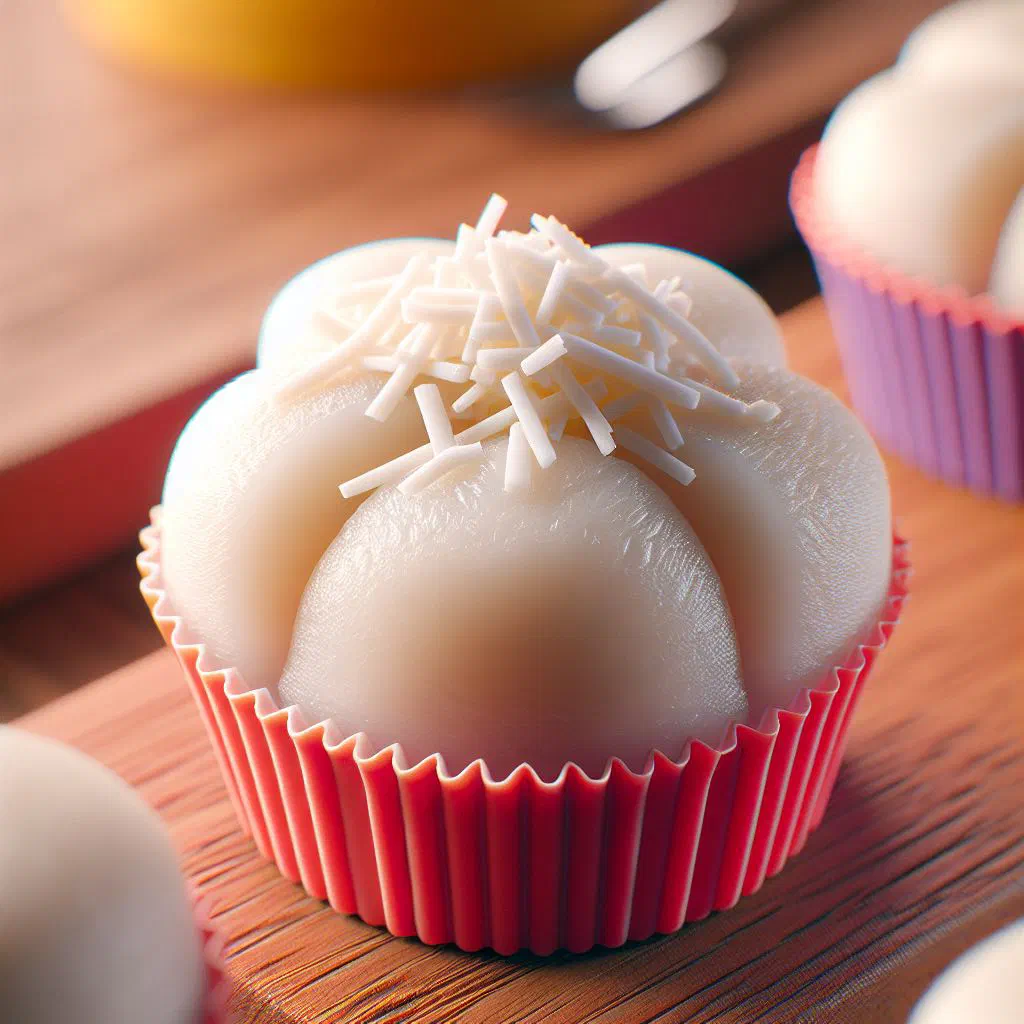
Say hello to Puto, one of the Philippines’ best-loved sweet treats. These little steamed rice cakes are gently sweet, wonderfully fluffy and impossible to resist, whether you reach for them as an afternoon snack or a light dessert. Made with just a handful of pantry staples and enriched with fragrant coconut milk, they turn up at fiestas, family gatherings and everyday merienda alike. Bring a taste of Filipino home cooking straight to your own kitchen.
About Puto
Puto is an incredibly tasty traditional dessert from the Philippines, cherished in home kitchens and increasingly admired well beyond the islands. These small steamed cakes are lightly sweet with a soft, fluffy texture that makes them an absolute favourite. Puto is often served at celebrations and special occasions, and it can be enjoyed plain or dressed up with a variety of toppings. The preparation is simple and calls for only a few ingredients that are easy to get hold of.
Ingredients (serves 1–2)
- 1 cup rice flour
- 1/2 cup sugar
- 1 cup coconut milk
- 1/2 teaspoon baking powder
- A pinch of salt
- Optional: grated cheese or butter for topping
Shopping for the ingredients
To make puto you will need fresh ingredients, all of which are available in any well-stocked supermarket or Asian grocery. Rice flour is the main ingredient and gives the cakes their characteristic texture. Sugar provides the necessary sweetness, while coconut milk brings out the aroma and keeps the puto moist. Be sure to use fresh baking powder so your puto turns out beautifully fluffy.
Preparing the dish
Before you start making your puto, set up the steamer. Fill a large pot with water and bring it to the boil. While it heats, prepare the moulds in which the puto will cook. These can be special puto cups or muffin moulds, which should be lightly greased beforehand to stop the cakes from sticking.
Step-by-step instructions
- In a large bowl, combine the rice flour, sugar, baking powder and salt thoroughly.
- Slowly pour in the coconut milk and stir well until you have a smooth batter.
- Pour the finished batter evenly into the prepared moulds, taking care not to overfill them.
- Place the moulds in the steamer, close the lid and steam the puto for 20–25 minutes, until set.
Gluten-free / lactose-free version
For anyone eating gluten-free, rice flour is the ideal choice since it is naturally free from gluten. Just make sure you also use gluten-free baking powder. The coconut milk is an excellent lactose-free alternative to ordinary milk, so puto is suitable for those who are lactose intolerant as well. With these ingredients the recipe stays both delicious and easy to digest for everyone.
Tips for vegans and vegetarians
Puto is naturally vegetarian, and by making sure the sugar you use is unrefined, vegans can enjoy it too. Instead of cheese as a topping, you can reach for plant-based alternatives or simply add fresh fruit such as mango or banana. These tweaks bring not only flavour but a lovely splash of colour to the plate. Using plant-based ingredients also keeps the dish light and wholesome.
More tips and tricks
Another tip for perfect puto is to use fresh coconut milk, which lends a more intense flavour. Experiment with different toppings, roasted peanuts or a pinch of cinnamon, for example, to vary the recipe to your taste. If you like, you can also add a few drops of food colouring to create bright puto for festive occasions. Just remember to mix the ingredients well so you get an even texture throughout.
Adapting the recipe to your taste
Adapting the puto recipe is straightforward, making it a flexible option for many palates. Add different flavourings, such as vanilla or pandan, to explore new taste profiles. The amount of sugar can vary too, depending on just how sweet you like it. You might also consider changing up the texture by folding in chocolate chips or dried fruit.
Ingredient substitutions
If you do not have coconut milk to hand, you can use almond cream or another plant-based milk, though this may alter the flavour slightly. In place of rice flour, cornflour can be used, albeit with a different consistency. Fresh local ingredients add variety too, for instance ube (purple yam), which gives a creative twist much like the one that shines in Ube Halaya. The possibilities are impressive and always go down well.
Drink pairing ideas
Puto pairs beautifully with a range of drinks. A classic Filipino milk tea or a cup of coffee is ideal for rounding off the sweetness of the cakes. For a refreshing option, a fruity smoothie made with pineapple, mango or coconut makes a perfect match, much like the tropical flavours of a Buko Salad.
Serving and presentation ideas
We eat with our eyes first, and with puto you can get creative with the presentation. Use attractive plates or bowls to arrange the cakes appealingly. Add fresh fruit or edible flowers to bring colour and height to the dish. A presentation full of different colours makes it even more inviting and lends the whole spread a festive touch.
A bit of history
Puto has its roots in Philippine culture and has grown over the years into a much-loved snack. Originally influenced by the Spanish colonial era, the recipe took shape through the use of local ingredients. Puto is often served alongside other traditional dishes such as Leche Flan and various stews, which underlines its popularity in festive cooking. The story of puto is a fine example of the blending of influences that makes Philippine cuisine so unique.
More recipe ideas
Summary: Puto
Puto is a delicious and versatile choice among Philippine desserts. With its simple preparation and the scope to adapt it with all sorts of ingredients, it makes sure every food lover gets something to enjoy. Whether as a snack, a dessert or a side, puto appeals to with both flavour and looks. Give this recipe a try and bring a little piece of Filipino culture home to your kitchen.