National Dish Philippines: Sinangag (Recipe)
In this article
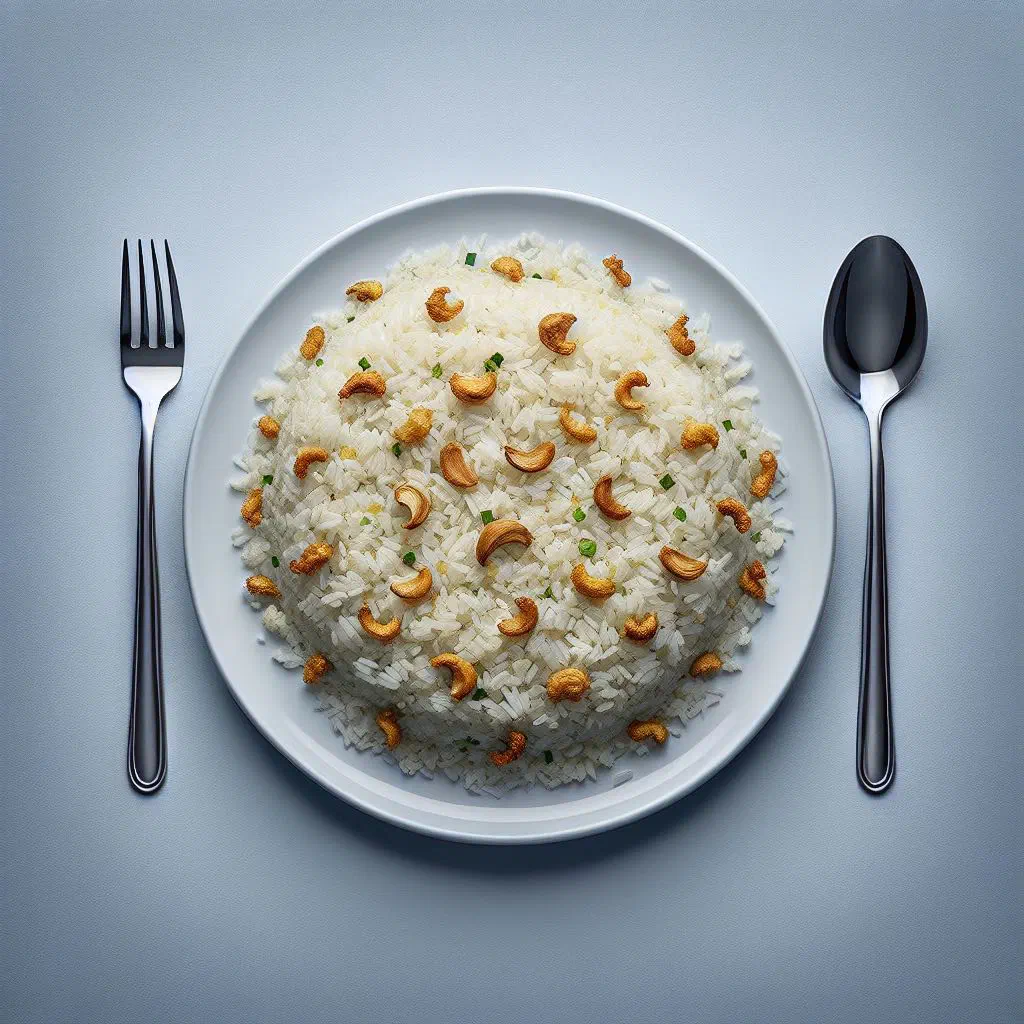
Wake up to the unmistakable aroma of Sinangag, the Philippines’ beloved garlic fried rice that turns yesterday’s leftovers into a fragrant morning treat. Crowned with crisp golden garlic and a scattering of spring onions, this simple side dish is a cornerstone of the Filipino breakfast table. Quick to throw together yet deeply satisfying, it is the kind of comforting plate that rice lovers come back to again and again.
About Sinangag
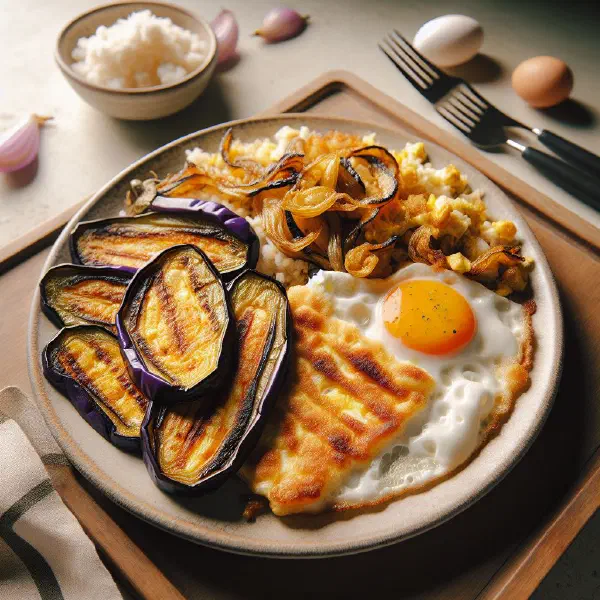
Sinangag is the traditional Filipino garlic fried rice that is most often served at breakfast. Made chiefly from leftover rice, it is prized for its aromatic, intense flavour. A generous helping of fresh garlic and a little oil is what gives the dish its very good character. Sinangag is far more than a simple recipe. It is a genuine slice of Filipino culture, frequently served alongside a variety of accompaniments. It pairs especially well with cured favourites such as Tapa or Longganisa for a hearty start to the day.
Ingredients (serves 1–2)
- 2 cups cooked rice
- 4–6 cloves garlic, finely chopped
- 2 tablespoons vegetable oil
- Salt, to taste
- Pepper, to taste
- Fresh herbs (such as spring onions), to garnish
Shopping for the ingredients
Garlic is the be-all and end-all of this dish’s signature flavour. Make sure your rice is already cooked and, ideally, prepared the day before so it has the right texture. You will find everything you need in most supermarkets or at a local market where fresh produce is on offer. Choosing plump, firm garlic bulbs makes all the difference to the finished plate.
Preparing the dish
The first step in making sinangag is getting the cooked rice ready. If you care about texture, fluff the rice with a fork before you start cooking. The garlic should be finely chopped, and it is well worth using it fresh for the best flavour. Have all your utensils to hand too, a large pan and a wooden spoon make the whole process far smoother.
Step-by-step instructions
- Heat the vegetable oil in a large pan over medium heat.
- Add the finely chopped garlic and fry until golden brown and fragrant.
- Add the cooked rice and stir well so it is evenly coated in the oil and garlic.
- Season with salt and pepper to taste, then continue frying until the rice is piping hot.
- Serve the sinangag hot and garnish with fresh herbs to your liking.
Gluten-free / lactose-free version
Sinangag is naturally gluten-free, as long as you make sure the rice you use contains no gluten-based additives. No special tweaks are needed for a lactose-free version, since the recipe contains no dairy at all. That makes sinangag a perfect choice for anyone with these intolerances. Just check that the oil you use is also free from any dairy traces, to be completely on the safe side.
Tips for vegans and vegetarians
Vegans will find sinangag an ideal dish, as it contains no animal products whatsoever. To make it even healthier and more nourishing, you can stir in some fried vegetables such as carrots, peas or peppers. These additions bring colour and extra flavour to the plate. Seasoning with soy sauce instead of salt can also lend an appealing depth of taste.
More tips and tricks
One key tip when making sinangag is to use cold, leftover rice. It fries far better and stops the dish from turning mushy. Vary the amount of garlic to suit your palate, some people prefer a more intense flavour. Remember to use a large pan, too, so the rice has room to brown nicely rather than steam.
Adapting the recipe to your taste
Sinangag is a wonderfully versatile dish that is easy to adapt to your own preferences. Add a splash of soy sauce or Worcestershire sauce to give it a savoury depth. Fresh herbs such as coriander or parsley introduce extra aromas. Experiment with different spices until you find the perfect blend for your taste. It sits happily next to richer mains like Bistek Tagalog when you fancy turning it into a full meal.
Ingredient substitutions
If you do not have vegetable oil to hand, olive oil or sesame oil will work just as well and lend the dish a different note. In place of fresh garlic you can use garlic powder, though the flavour may not be quite as intense. And if you are out of rice, other grains such as quinoa make a great alternative.
Drink pairing ideas
A range of drinks rounds off a plate of sinangag beautifully. A refreshing glass of coconut water is an excellent choice that underlines the flavours of the Philippines. If you prefer something tart, try a fresh lime juice or a cup of ginger tea. For a special occasion, a cold beer could be the perfect accompaniment.
Serving and presentation ideas
Presentation plays a crucial part in making the dish look appetising. Serve the sinangag in an attractive bowl and garnish it with fresh herbs and a wedge of lime for a welcome splash of colour. You could also plate it up and pair it with a few fresh vegetable sticks. A neat, considered arrangement makes the meal all the more inviting and appealing.
A bit of history
Sinangag has a long history in the Philippines and is considered one of the classic breakfast options. The dish was originally created as a way to use up leftovers from the day before, a common practice in Filipino cuisine. The pairing of garlic and rice reflects the simple yet flavourful ingredients that are typical of so many Filipino dishes. Today it is enjoyed at breakfast and as a side dish to accompany other meals, much like the noodle classic Pancit Bihon.
More recipe ideas
Summary: Sinangag
In short, Sinangag is a delicious dish and a true embodiment of Filipino culture. With its simple ingredients and fuss-free preparation, sinangag is perfect for anyone keen to discover the flavours of the Philippines. Do not miss the chance to bring pleasure and tradition together on a single plate.