National Dish Philippines: Sinanglay (Recipe)
In this article
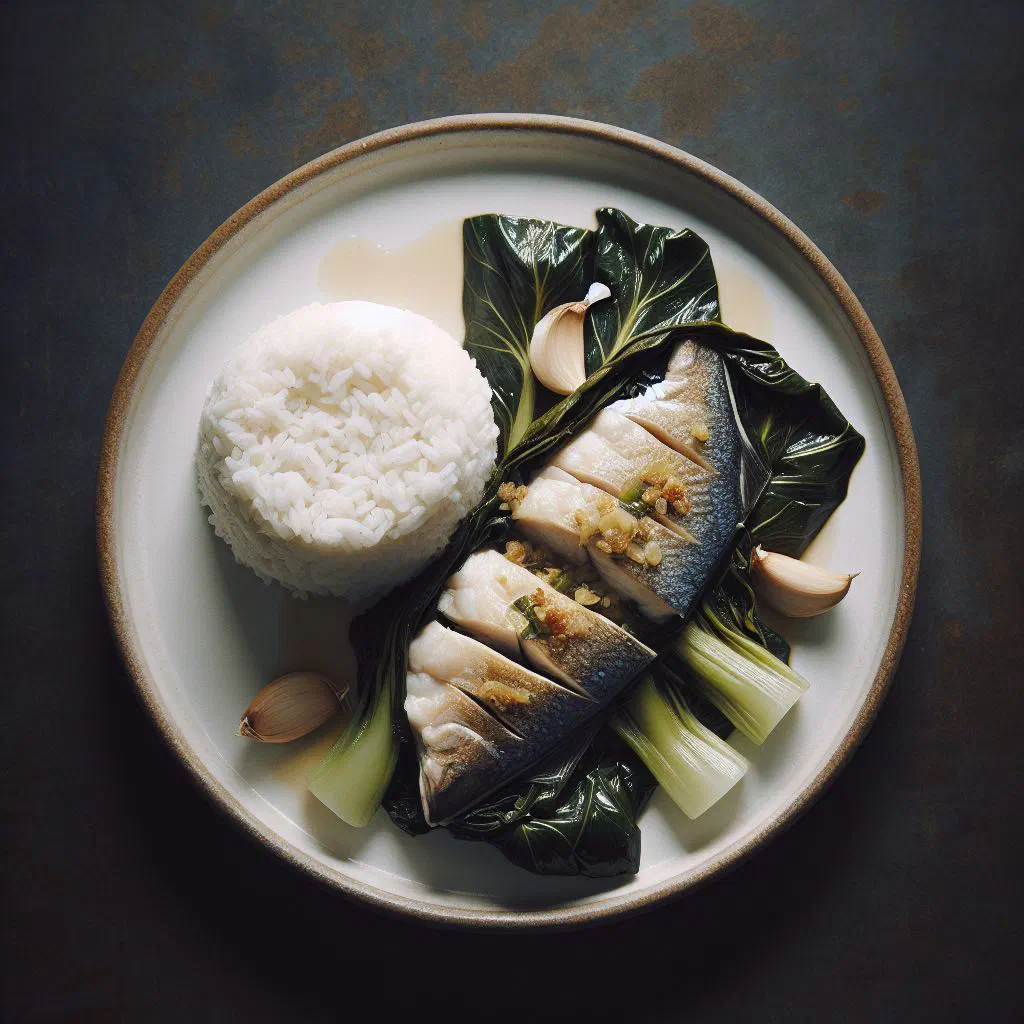
Discover Sinanglay, a fragrant and time-honoured dish from the Philippines that wins over seafood lovers everywhere. Tender fish is filled with bright, regional flavours, then wrapped in banana leaves and gently steamed until meltingly soft. The result is a dish that is as easy on the eye as it is on the palate, wholesome, light and brimming with the warm aromas of the islands. Bring a taste of the Filipino kitchen to your own table with this gentle, healthy classic.
About Sinanglay
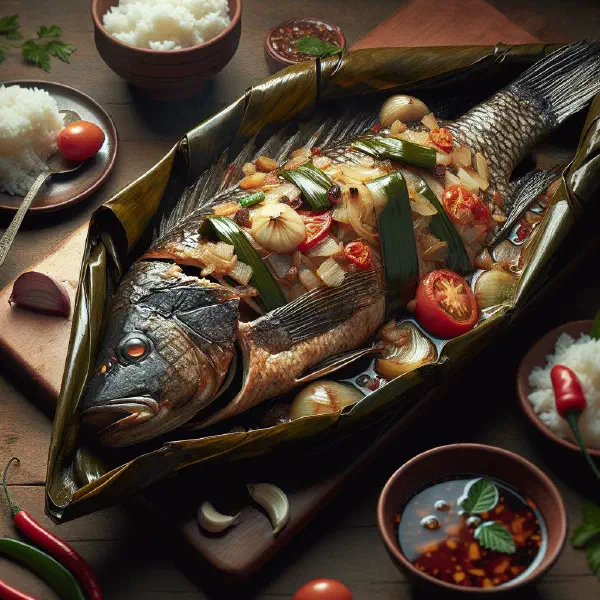
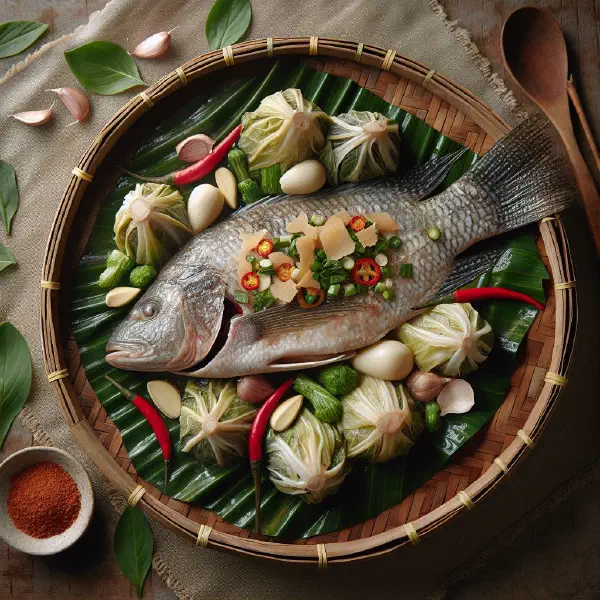
Sinanglay is a flavoursome, traditional dish from the Philippines that sets the hearts of food lovers racing. It is built around tender fish, filled with regional specialities and then steamed inside an aromatic parcel of banana leaves. This method of cooking gives the dish a distinctive flavour and makes it a wonderful choice for healthy eating. Sinanglay is a feast for the eyes as much as a treat for the palate, capturing the bright, fresh character of Filipino cooking in every bite.
Ingredients (serves 1–2)
- 300g fresh fish (e.g. tilapia or snapper)
- 1 cup chopped vegetables (e.g. tomatoes, onions, spinach)
- 2–3 banana leaves
- Juice of 1 lime
- Salt and pepper, to taste
- Water, for the steamer
- Optional: chilli for a spicy kick
Shopping for the ingredients
Finding the right ingredients for Sinanglay is a straightforward task that puts freshness and quality first. Visit your local market or an Asian grocery to pick up fresh fish and banana leaves. The vegetables are easy to source in any supermarket that stocks fresh fruit and veg. Take care to choose ingredients, especially the fish, that are as fresh and high in quality as possible, so you get the very best flavour from the finished dish.
Preparing the dish
Preparing Sinanglay is key to both the flavour and the presentation of the dish. Begin by washing the vegetables thoroughly and chopping them finely. Gut and clean the fresh fish well, too. Prepare the banana leaves by passing them briefly over a flame so they turn soft and pliable. This little step makes sure all the aromas meld together beautifully during steaming.
Step-by-step instructions
- Rub the fish well, inside and out, with lime juice, salt and pepper.
- Stuff the chopped vegetables, along with the fresh chillies if using, into the fish.
- Lay a banana leaf on a clean work surface and place the stuffed fish on top.
- Wrap the banana leaf snugly around the fish and tie it securely so nothing can slip out.
- Bring water to the boil in a steamer and steam the parcel for around 30–40 minutes.
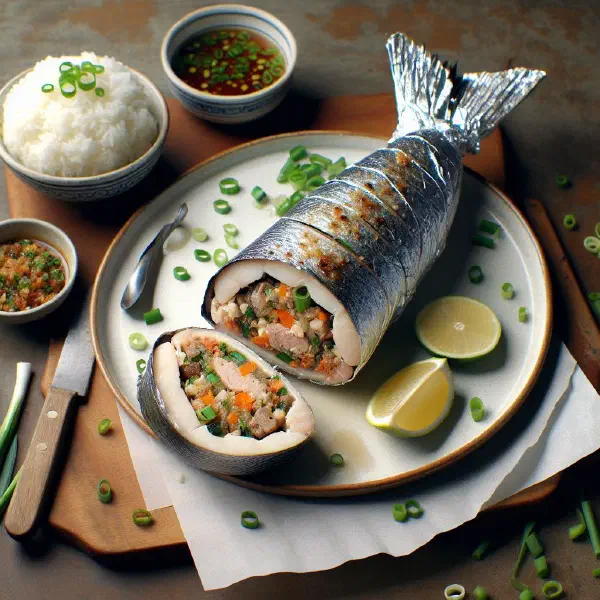
- Once steamed, carefully lift the fish out of the banana leaf and arrange it attractively for serving.
Gluten-free / lactose-free version
Sinanglay is naturally gluten-free and lactose-free, since its main ingredients are simply fish, vegetables and banana leaves. Do take care, however, that any sauces or seasonings you add are gluten-free as well. If you want to introduce extra herbs or flavourings, gluten-free alternatives are easy to find. A little creativity goes a long way in making sure even sensitive eaters can enjoy this traditional dish.
Tips for vegans and vegetarians
For those who prefer a plant-based diet, Sinanglay is easily adapted. Swap the fish for tofu or seitan, which offer a similar texture and a good source of protein. Fill the banana leaf instead with a mixture of vegetables, beans and spices to keep the flavour full and satisfying. This gives the classic preparation a fresh, delicious twist that will pleasure vegan diners, much like a hearty bowl of Ginisang Munggo.
More tips and tricks
To get the most out of Sinanglay, focus on combining the right aromas. Fresh herbs such as coriander or spring onions make a wonderful addition. Experiment, too, with different fillings or extra spices to give the dish your own personal touch. Just before serving, drizzle a little olive oil or lemon juice over the finished fish for an extra burst of flavour.
Adapting the recipe to your taste
You can tailor Sinanglay to the preferences of your guests by using different types of fish or even seafood. Add more or less vegetables to suit the season and your own taste. Remember that traditional dishes welcome a little creativity, and that your own flair can lend the dish a special character. You can also adjust the heat to your liking through the choice and quantity of chillies you use.
Ingredient substitutions
If you cannot get hold of fresh fish or banana leaves, there are several alternatives to fall back on. Frozen fillets or even tinned fish, for example, can be used to vary the flavour. In place of banana leaves you can use aluminium foil, though do bear in mind that the scent and taste of banana leaves are truly unique, much as they are in Pinangat Na Isda. Every ingredient has its own character, so do not be afraid to try out new variations.
Drink pairing ideas
A range of drinks can accompany Sinanglay and round off the eating experience. A cool, light beer pairs perfectly, while a fruity lemonade or a freshly pressed juice beautifully highlights the bright flavours of Filipino cooking. For a truly authentic meal you might consider a glass of calamansi juice, which is refreshing and harmonises wonderfully with the dish’s seasonings.
Serving and presentation ideas
When it comes to presenting Sinanglay, you can give your creativity free rein. Serve the dish straight from the banana leaf for a rustic touch that showcases its traditional roots. Add fresh herbs such as coriander or basil as a garnish to make the dish even more inviting to the eye. The colours of the vegetable filling look wonderfully appetising when arranged on a handsome plate.
A bit of history
The story of Sinanglay is woven deep into Filipino culture, where food often takes centre stage at social and family gatherings. This dish is treasured for its delicious taste and for the tradition bound up in its preparation. Many Filipinos have their own family recipe, handed down from one generation to the next. It is a symbol of community and of the wonderful variety of culinary influences that have shaped the country, the same spirit that runs through so much of Philippine cuisine.
More recipe ideas
Summary: Sinanglay
In summary, Sinanglay is a captivating dish, treasured for its flavour and for its cultural significance. A vegan, or simply on the lookout for new culinary adventures, this recipe leaves plenty of room for tweaks and variations. It is a chance to experience the flavours of the Philippines within your own four walls. Let its variety and wholesome ingredients inspire you, and give this delicious dish a try.