National Dish Philippines: Sinigang na Baboy (Recipe)
In this article
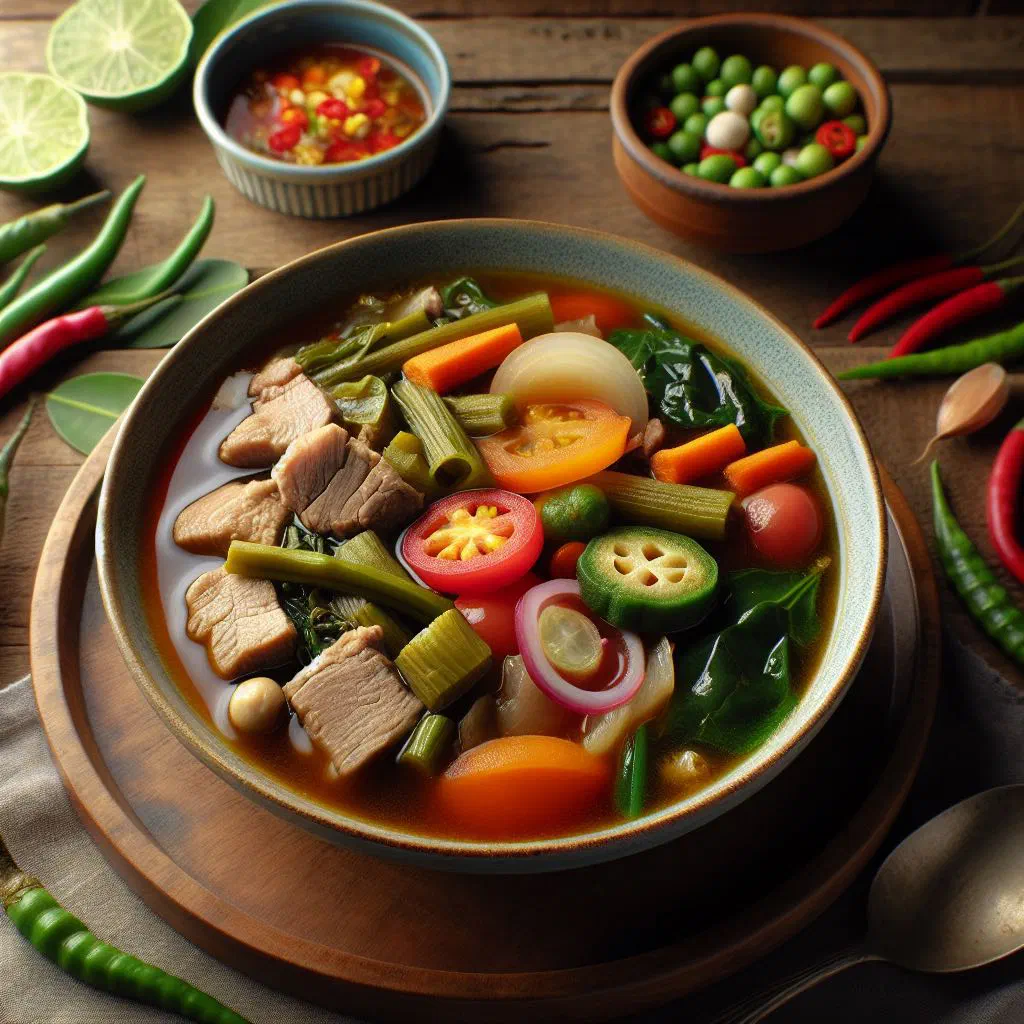
Say hello to Sinigang na Baboy, the comforting Filipino pork stew that builds its whole character around one very good quality: sourness. Tender pieces of pork simmer in a bright, tangy tamarind broth brimming with fresh vegetables and aromatics, giving you a bowl that is both hearty and refreshing in the same spoonful. It is the kind of soul-warming dish that draws family and friends around the table, perfect for a rainy afternoon or a relaxed weekend gathering.
About Sinigang na Baboy
Sinigang na Baboy is a classic Filipino dish celebrated for its savoury depth and its distinctive, gently sour flavour. At its heart is a stew of pork and fresh vegetables, all simmered together in a fragrant tamarind broth. The interplay of flavours and textures has made it a much-loved favourite in countless Filipino households. Ideal for sociable occasions, sinigang brings family and friends together around a truly satisfying meal.
Ingredients (serves 1–2)
- 300 g pork belly, or pork of your choice
- 1 litre water
- 100 g tamarind paste, or fresh tamarind
- 1 onion, sliced
- 2 tomatoes, quartered
- 1 thumb-sized piece of ginger, sliced
- 200 g green beans, cut into pieces
- 200 g spinach or water spinach (kangkong)
- Salt and pepper, to taste
Shopping for the ingredients
If you want to gather everything for sinigang na baboy, it is worth drawing up a list first. Choose fresh, good-quality meat and vegetables, as this makes a real difference to the final flavour of the dish. Many Asian supermarkets stock tamarind paste, which is ideal for the broth, and they often carry a wider range of fresh vegetables too, so you can pick out the very best produce.
Preparing the dish
Before you start cooking, wash and cut all your ingredients thoroughly. The pork should be cut into even pieces so it cooks uniformly. It also helps to have the vegetables prepped and ready, so you are not rushing once the pot is on the heat. A well-organised work surface keeps everything running smoothly and gets the dish to the table that much faster.
Step-by-step instructions
- Bring the water to the boil in a large pot and add the pork. Simmer for about 30 minutes, until tender.
- Add the onion, tomatoes and ginger, and let everything simmer for a further 15 minutes.
- Now stir in the tamarind paste or fresh tamarind, mixing well, and simmer for another 10 minutes.
- Add the green beans and cook for 5 minutes more, then add the spinach or water spinach.
- After 2–3 minutes, turn off the heat and season with salt and pepper. Serve hot with rice.
Gluten-free / lactose-free version
Sinigang na Baboy is naturally gluten-free and lactose-free, as long as you avoid adding any gluten-containing ingredients or dairy. Just check that your tamarind paste contains no hidden gluten. For a wholesome side, serve plain rice or quinoa to keep the whole meal light and nourishing. These small adjustments make the dish easy to enjoy for anyone with intolerances.
Tips for vegans and vegetarians
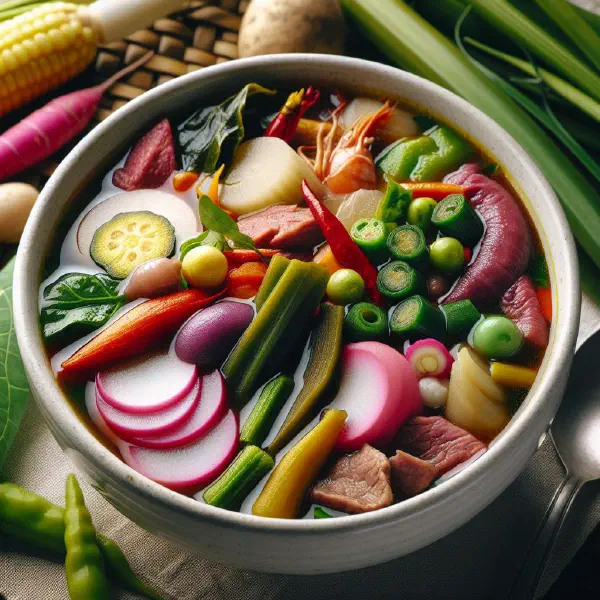
For a vegan or vegetarian version of sinigang, swap the pork for tofu or seitan. Both give the dish a satisfying, hearty texture while boosting its nutritional value. Instead of tamarind, you can also use lemon or lime juice to achieve that signature sourness. Made this way, the recipe slots neatly into a plant-based menu without losing its traditional character, much like the vegetable-forward Pinakbet.
More tips and tricks
To deepen the flavour of sinigang na baboy, add a few chillies if you like a bit of heat. A slow, gentle simmer helps the flavours develop fully and makes the meat beautifully tender. It is also worth adjusting the broth to taste; depending on your preference, you can make it sweeter or sharper. Experiment with whatever seasonal vegetables you can find to vary the dish each time you make it.
Adapting the recipe to your taste
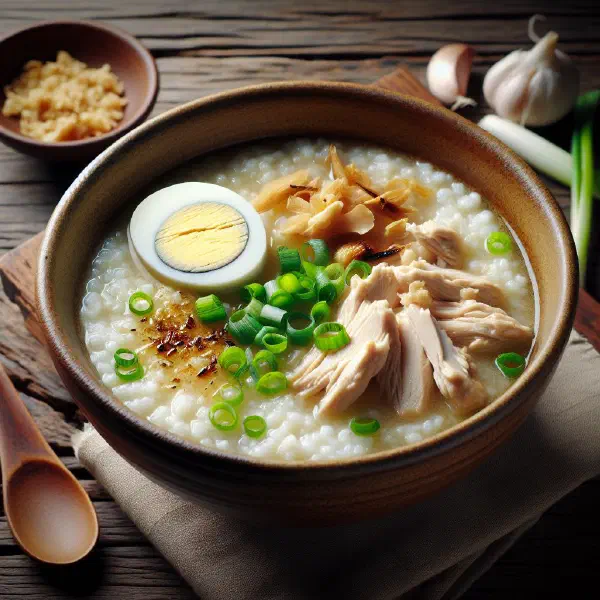
Depending on what you have to hand, you can happily switch up the meat or vegetables. In place of pork belly, chicken works wonderfully and is just as delicious. Green beans can be replaced with broccoli or cabbage for a little extra crunch. Tailoring the dish to local tastes and available ingredients is a lovely way to make sinigang na baboy your own and to try fresh variations, a tamarind-soured Sinampalukang Manok is a natural next step.
Ingredient substitutions
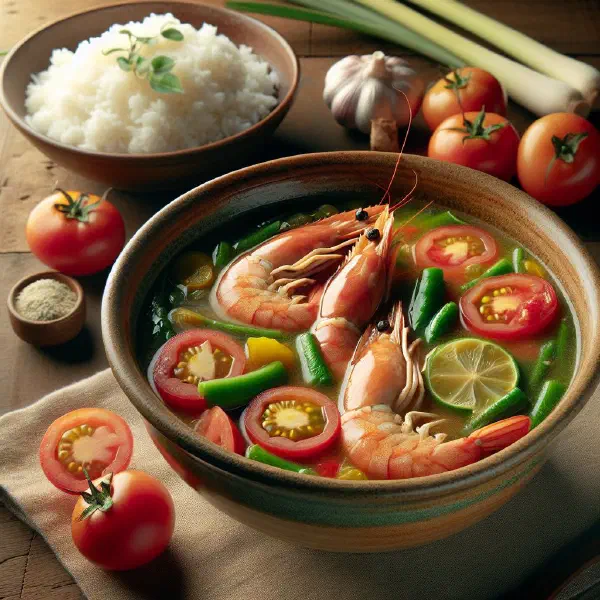
Depending on availability, you can use other cuts of meat or types of vegetable. Instead of pork belly, chicken makes an excellent and equally tasty choice. Green beans can be swapped for broccoli or cabbage, which add a pleasing crunch. Adapting the recipe to local flavours and ingredients gives you plenty of room to personalise the stew and explore new takes on the classic, such as the seafood-based Sinigang na Hipon.
Drink pairing ideas
A hearty dish like sinigang na baboy calls for refreshing drinks alongside. A cold San Miguel beer is a popular choice that holds its own against the flavours of the stew. If you would rather keep things alcohol-free, try hibiscus tea or a zesty citrus lemonade for a pleasant contrast. The right drink rounds off the meal and helps make it truly memorable.
Serving and presentation ideas
A thoughtful presentation can lift the whole sinigang na baboy experience. Serve the stew in handmade bowls typical of Filipino tableware. A scattering of fresh coriander or spring onions as a garnish brings a lively splash of colour and extra flavour. A well-set table with traditional Filipino touches creates an authentic, welcoming atmosphere for your guests.
A bit of history
Sinigang is regarded as one of the best-known classic Filipino dishes. Passed down through generations, it comes in many regional variations across the islands. The use of tamarind as the souring agent is a fine example of how Filipino cooking draws on local ingredients to create a unique flavour profile. It also reflects the warm, sociable culture of the Philippines, where food sits right at the heart of Philippine cuisine and everyday life.
More recipe ideas
Summary: Sinigang na Baboy
In short, Sinigang na Baboy is a hearty, comforting stew that appeals to the palate while connecting you to the cultural roots of the Philippines. The marriage of fresh ingredients and that distinctive sour-savoury broth offers a flavour profile that is at once traditional and wonderfully adaptable. Whether for a special occasion or a cosy family dinner, this dish has the potential to enrich any table. Give it a try and let its delicious flavours win you over.