National Dish Philippines: Sinigang na Hipon (Recipe)
In this article
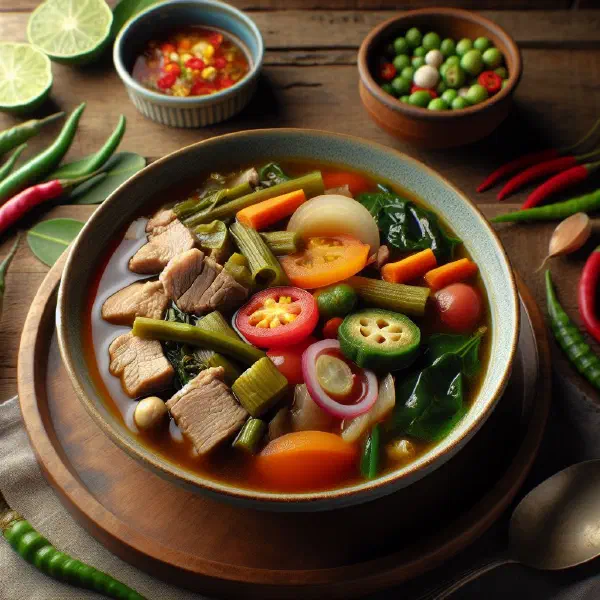
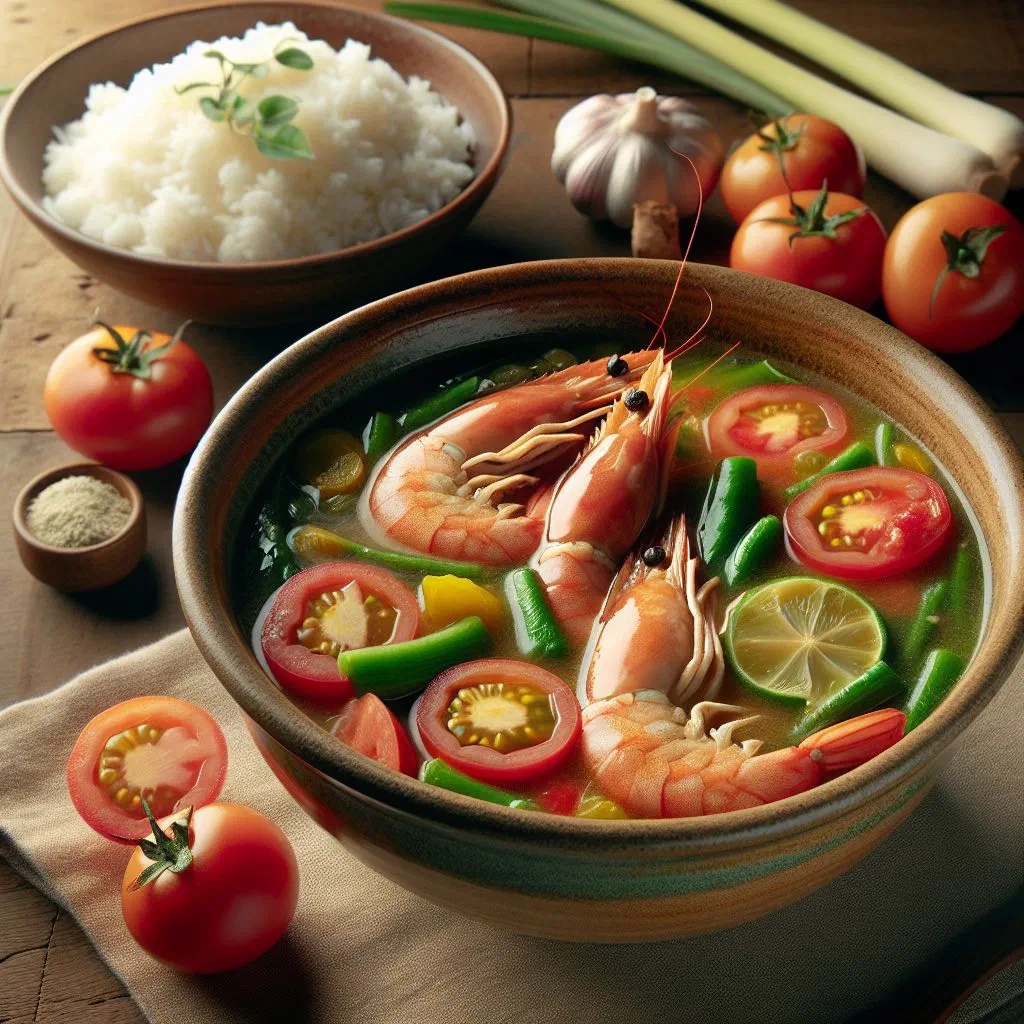
Say hello to Sinigang na Hipon, one of the Philippines’ most cherished soups and the very picture of comfort in a bowl. Built around plump, juicy prawns and a broth made wonderfully sour with tamarind, this dish strikes a perfect balance between tangy, savoury and fresh. Crisp vegetables round it out, and the whole thing comes together in well under half an hour. Bring the warmth and hospitality of a Filipino family table straight to your own kitchen.
About Sinigang na Hipon
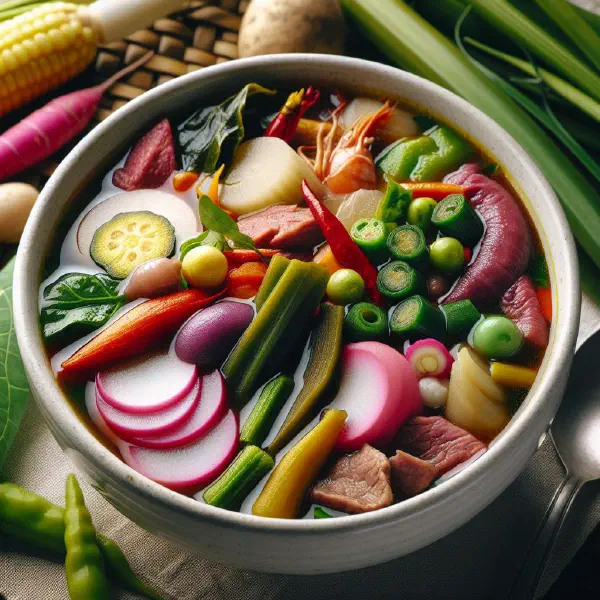
In Filipino cooking, Sinigang na Hipon is one of the best-loved soups, famous for its savoury, sour character. It is traditionally made with fresh prawns and wins people over with a combination of crisp vegetables and the unmistakable tang of tamarind. That sourness lends the soup a refreshing edge and creates the perfect balance between sweet and salty. The dish suits any occasion and brings the warmth and joy of Filipino culture right to the table.
Ingredients (serves 1–2)
- 200 g fresh prawns, peeled and deveined
- 1 litre water
- 2–3 tablespoons tamarind paste
- 1 onion, quartered
- 2 tomatoes, quartered
- 1–2 green chilli peppers
- 200 g green beans, ends trimmed
- 1 thumb-sized piece of ginger, sliced
- Salt and pepper, to taste
- Fresh coriander, to garnish
Shopping for the ingredients
When shopping for Sinigang na Hipon, take care to choose the freshest prawns you can find. A local fish market or a well-stocked supermarket is the best place to track down good-quality seafood. The tamarind paste should be fresh too; if you can get hold of whole fresh tamarind, you can even prepare it yourself. Vegetables such as green beans and tomatoes are easy to find at any decent greengrocer and should be firm and crisp.
Preparing the dish
To get Sinigang na Hipon just right, a little groundwork goes a long way. Start by giving the prawns a thorough wash and peeling them. Cut the onion and tomatoes into pieces so you save time later on. Make sure all the vegetables, such as the green beans and the ginger, are properly prepped before you start cooking. These steps keep the process running smoothly and ensure every flavour melds together beautifully in the finished soup.
Step-by-step instructions
- Bring the water to the boil in a large pot.
- Add the onion and tomatoes and let them simmer for about 5 minutes.
- Stir in the ginger slices and the tamarind paste, mixing well.
- After 5 minutes, add the green beans and the chilli peppers.
- Now add the prawns and cook for 3–5 minutes, until they turn pink and are cooked through.
- Season with salt and pepper, then finish with a scattering of fresh coriander.
Gluten-free / lactose-free version
Sinigang na Hipon is naturally gluten-free and lactose-free, making it a wholesome, nourishing meal for anyone with special dietary needs. Just take care when buying tamarind paste that it contains no hidden gluten. By and large, the rest of the ingredients can be used without worry, so the dish slots easily into a gluten- and lactose-free way of eating.
Tips for vegans and vegetarians
For a vegan or vegetarian version of Sinigang na Hipon, swap the prawns for tofu or extra vegetables. There are also special plant-based alternatives that mimic the taste of seafood. The remaining ingredients are already plant-based, so the soup is simple to adapt. Enjoy the range of flavours by adding more vegetables, or replacing the tamarind paste with another sour element such as lemon juice. A meat-free Pinakbet makes a lovely companion dish on the same table.
More tips and tricks
To get the very best out of your Sinigang na Hipon, play around with the sourness. Depending on your taste, you can use more or less tamarind paste. You can also throw in different vegetables to vary the nutrients and tailor the dish to your liking. Another handy trick is to lift the flavour with a splash of lemon juice or a little soy sauce, which adds an extra layer of complexity.
Adapting the recipe to your taste
Sinigang na Hipon is easy to tailor to personal preference. Feel free to use your favourite vegetables, be it carrots, spinach or cabbage, to make the dish more interesting. You can dial the heat up or down by adding or holding back on the chilli peppers. Just keep an eye on cooking times as you adjust the ingredients, so you end up with the best possible texture.
Ingredient substitutions
If you cannot find tamarind paste, lime juice or lemon juice make good alternatives for achieving that signature sour note. For anyone with a seafood allergy, grilled tofu or an assortment of vegetables work well in place of the prawns. You can be creative with the seasonings too, trying fresh herbs such as thyme or lemon balm. Swaps like these broaden the flavour range of this traditional dish and make it more accessible to everyone, much as you might tweak a hearty Bulalo to suit the cook.
Drink pairing ideas
Plenty of different drinks pair well with Sinigang na Hipon. A refreshing, robust choice such as the Filipino San Miguel beer complements the flavours perfectly. Alternatively, you could try a fruity palm wine, prized for its sweetness. For non-alcoholic options, lightly sweetened juices or simple water with lemon help harmonise the soup’s sourness.
Serving and presentation ideas
When plating up Sinigang na Hipon, you can have fun with colour and texture. Serve the soup in a large, attractive bowl and garnish it with fresh coriander and thin slices of lime on the side. A little chilli on top makes for an appealing splash of colour, too. Be sure to serve the dish piping hot, as the warmth heightens both the experience and the aromas of the ingredients.
A bit of history
Sinigang na Hipon has its roots in the many-layered culture of the Philippines, shaped by a host of different influences. The use of tamarind goes back to the tradition of using fresh, sour ingredients to bring out the savoury flavours of meat and seafood. The soup is widely regarded as comfort food and is a firm favourite at family gatherings and fiestas. It is also a symbol of the hospitality and togetherness of Filipino families, who love to eat and enjoy life as one. It stands among the most beloved soups in all of Philippine cuisine.
More recipe ideas
Summary: Sinigang na Hipon
Sinigang na Hipon is an absolute classic of Filipino cooking, offering an one-of-a-kind combination of fresh prawns, crisp vegetables and an unmistakable tamarind tang. With its savoury yet sour notes, the dish is perfect for any occasion and brings the warmth of Filipino hospitality right into your kitchen. Let the versatility of this recipe win you over, and savour every spoonful of this exquisite soup.