National Dish Philippines: Sinigang na Isda (Recipe)
In this article
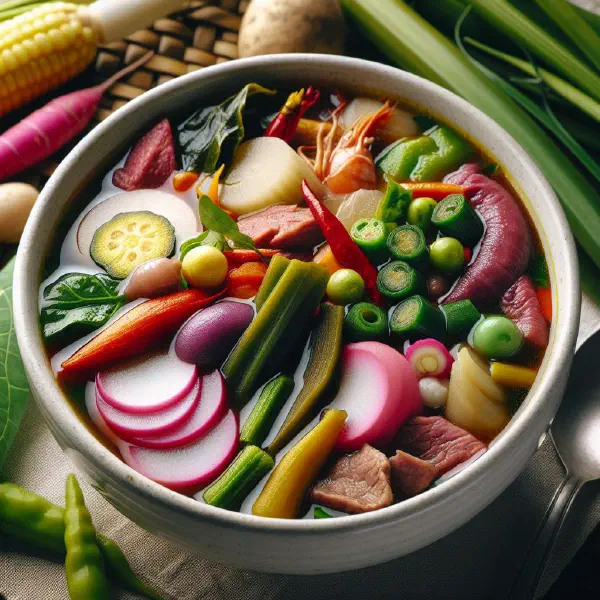
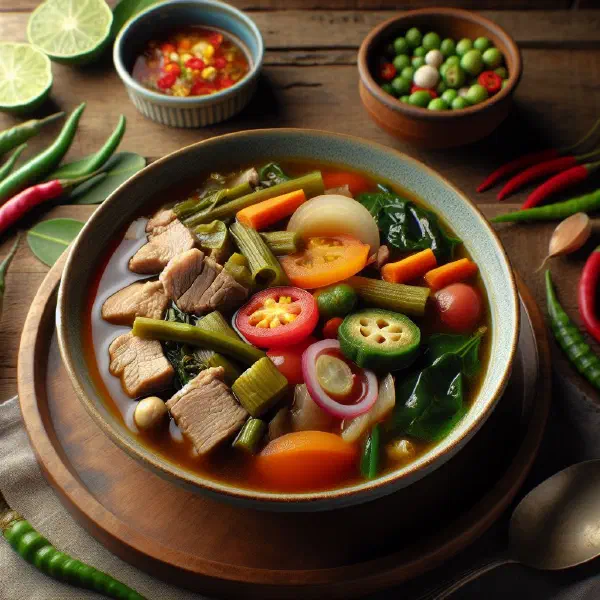
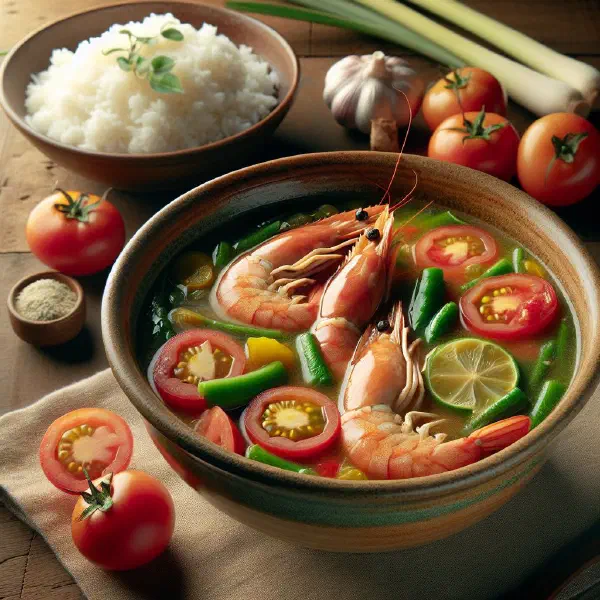
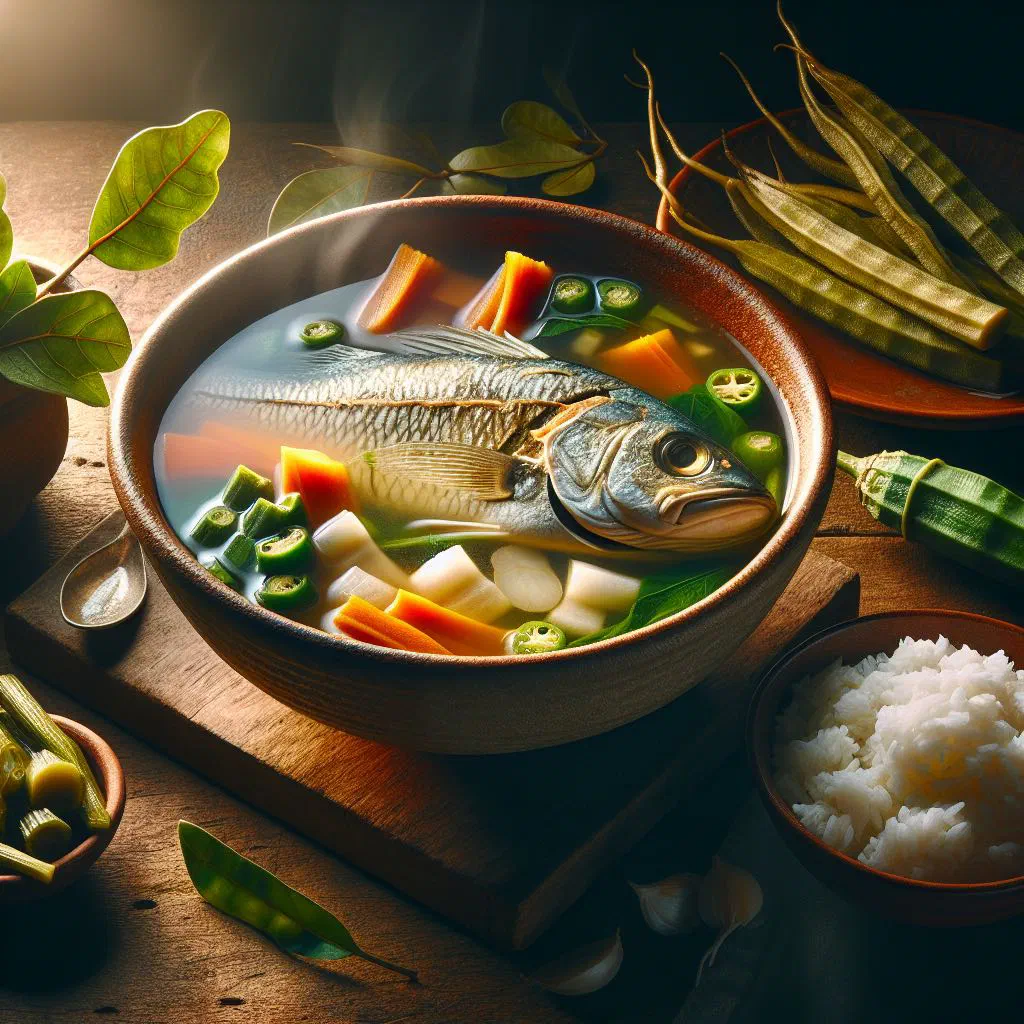
There is something deeply comforting about a steaming bowl of Sinigang na Isda, the beloved sour fish soup of the Philippines. Fresh fish simmers in a bright, tangy tamarind broth alongside a colourful jumble of vegetables, creating a dish that is light yet full of character. It is the kind of food that draws family and friends around the table, and it adapts happily to gluten-free, lactose-free and even meat-free diets. Bring a taste of the islands into your own kitchen with this easy, warming classic.
About Sinigang na Isda
Filipino cuisine is celebrated for its bold, layered flavours, and few dishes show this off better than Sinigang na Isda. Traditionally made with fish, it surprises newcomers with its refreshingly sour broth, most often achieved with tamarind. The soup is rounded out with a generous mix of vegetables and herbs that enrich the taste and bring a lovely splash of colour to the plate. More than a feast for the senses, sinigang is a dish made for sharing and a wonderful way to connect with loved ones over a hearty, soulful meal.
Ingredients (serves 1–2)
- 200 g fresh fish fillet (such as mackerel or snapper)
- 1 cup tamarind paste or fresh tamarind
- 1.5 litres water
- 1 onion, sliced
- 2 tomatoes, diced
- 1–2 green chillies
- 1 cup radish, sliced
- 1 cup spinach or water spinach (kangkong)
- Salt and pepper, to taste
Shopping for the ingredients
To make a great sinigang na isda, choose the freshest, highest-quality ingredients you can find. The fish is the heart of the dish, so it is well worth buying it straight from a fishmonger or fish market for the best possible catch. Tamarind is easy to find in Asian grocery shops and is also widely sold as a ready-made paste in many supermarkets. Don’t forget to pick up the assorted vegetables and seasonings too, as they are essential to the full, well-rounded flavour of the soup.
Preparing the dish
Before you start cooking, take a little time to prepare everything properly. Wash the vegetables and cut them into the required pieces, and rinse the fish fillet well before slicing it into portions. If you are using fresh tamarind, prepare it carefully, as the steps for extracting its sourness vary depending on how ripe the pods are. A bit of groundwork makes the whole cooking process run smoothly and gives you an even better result in the bowl.
Step-by-step instructions
- Pour the water into a large pot and bring it to the boil.
- Add the onions and tomatoes and let them simmer for a few minutes until softened.
- If using fresh tamarind, add the pods to the water so the flavour is released. Otherwise, stir in the tamarind paste.
- Add the chillies and radish and cook for a further 5 minutes.
- Lay the fish fillets into the broth and let them poach gently for about 10 minutes.
- Add the spinach or water spinach just before serving and stir through.
- Season with salt and pepper to taste and enjoy piping hot.
Gluten-free / lactose-free version
One of the great things about sinigang na isda is that the recipe is gluten-free and lactose-free by nature. Its main components, fish and fresh vegetables, contain no gluten at all. Just take care when buying tamarind paste and check the ingredients list to make sure there are no hidden additives. This makes the dish a perfect choice for anyone with intolerances, and it can be enjoyed exactly as it is with no special adjustments. For another naturally light fish dish, try Paksiw na Bangus.
Tips for vegans and vegetarians
For a vegan or vegetarian version of sinigang na isda, simply swap the fish for tofu or your favourite vegetables. Aubergine, mushrooms and courgette are all popular choices that bring a satisfying flavour and a pleasing texture to the soup. Keep the broth tasting fresh and properly sour by balancing the tamarind well with the vegetables. With a little creativity, vegans and vegetarians can enjoy all the bright, tangy flavours of this traditional dish too.
More tips and tricks
When you make sinigang na isda, there are a few tricks that can really deepen the flavour. Experiment with different vegetables and herbs to find the combination you love best. Some cooks like to add pinya (pineapple) or kalabasa (squash) for a touch of natural sweetness that plays beautifully against the sourness. Let your imagination guide you and tweak the recipe to your own taste to get the very most out of this delicious soup. Squash also stars in Ginataang Kalabasa at Sitaw.
Adapting the recipe to your taste
Depending on your preferences, you can adapt sinigang na isda in all sorts of ways. Some people like a more intense, punchy broth and add extra tamarind or even other sour fruits to achieve it. Others prefer gentler flavours and simply reduce the chillies or leave them out altogether. Thanks to the dish’s natural versatility, it bends easily to suit any palate, so there is something here for everyone at the table.
Ingredient substitutions
If you struggle to find the original ingredients for sinigang na isda, there are plenty of alternatives to fall back on. Instead of fresh tamarind, ready-made tamarind paste works perfectly and is widely available. For the fish, you can use other varieties such as tilapia or plaice, both of which suit this soup nicely. If you would rather build the broth around tilapia from the start, take a look at Ginataang Tilapia.
Drink pairing ideas
A dish like sinigang na isda calls for drinks that complement its flavours and balance out the sourness. Rice wine or a light Asian beer make excellent partners, as they highlight the freshness of the soup. For a non-alcoholic option, a citrusy drink with a squeeze of lemon or lime is a refreshing choice. Whatever your preference, the right pairing makes the whole meal taste even better.
Serving and presentation ideas
Presentation is an important part of any dish, and sinigang na isda is no exception. Serve the soup in attractive bowls, garnish it with fresh herbs such as coriander, and add a few slices of lemon or lime for a bright pop of colour. A side of steaming rice rounds out the experience and lends your table a special touch. Remember that we eat with our eyes first, so take a little care over how you plate it up. To finish the spread with something sweet, a Leche Flan is always a crowd-pleaser.
A bit of history
Sinigang na isda has its roots in the traditional kitchens of the Philippines and reflects the country’s rich culinary diversity. The sourness of the broth is a hallmark of many South-East Asian cuisines and reveals the influence of a history shaped by many different cultures. Across the islands, sinigang has long been a much-loved meal, prized because it is simple to prepare and ideal for big family gatherings. Passed down through the generations, it remains a timeless classic and a fine example of Filipino cuisine still cherished today.
More recipe ideas
Summary: Sinigang na Isda
To truly savour the wonderful world of Filipino cuisine, Sinigang na Isda is an absolute must. The dish brings together fresh fish, the bracing sourness of tamarind and an array of wholesome vegetables in one harmonious, soul-warming bowl. It adapts beautifully to personal taste and carries a real piece of cultural heritage to the table. Sinigang na isda never fails to deliver comfort, flavour and good company.