National Dish Philippines: Sinigang (Recipe)
In this article
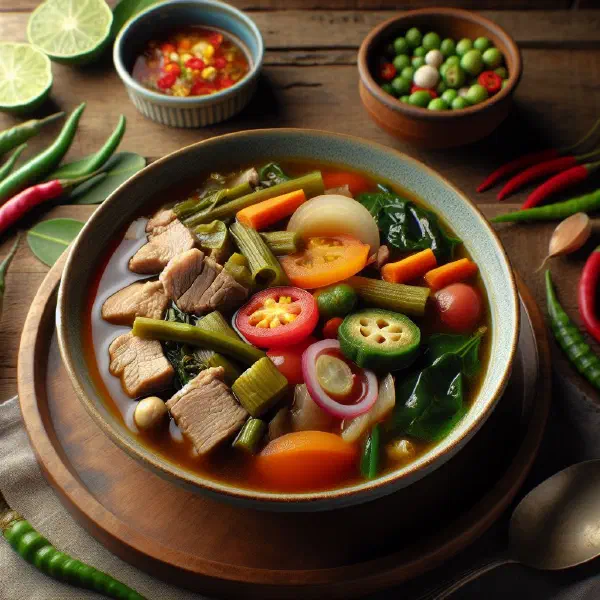
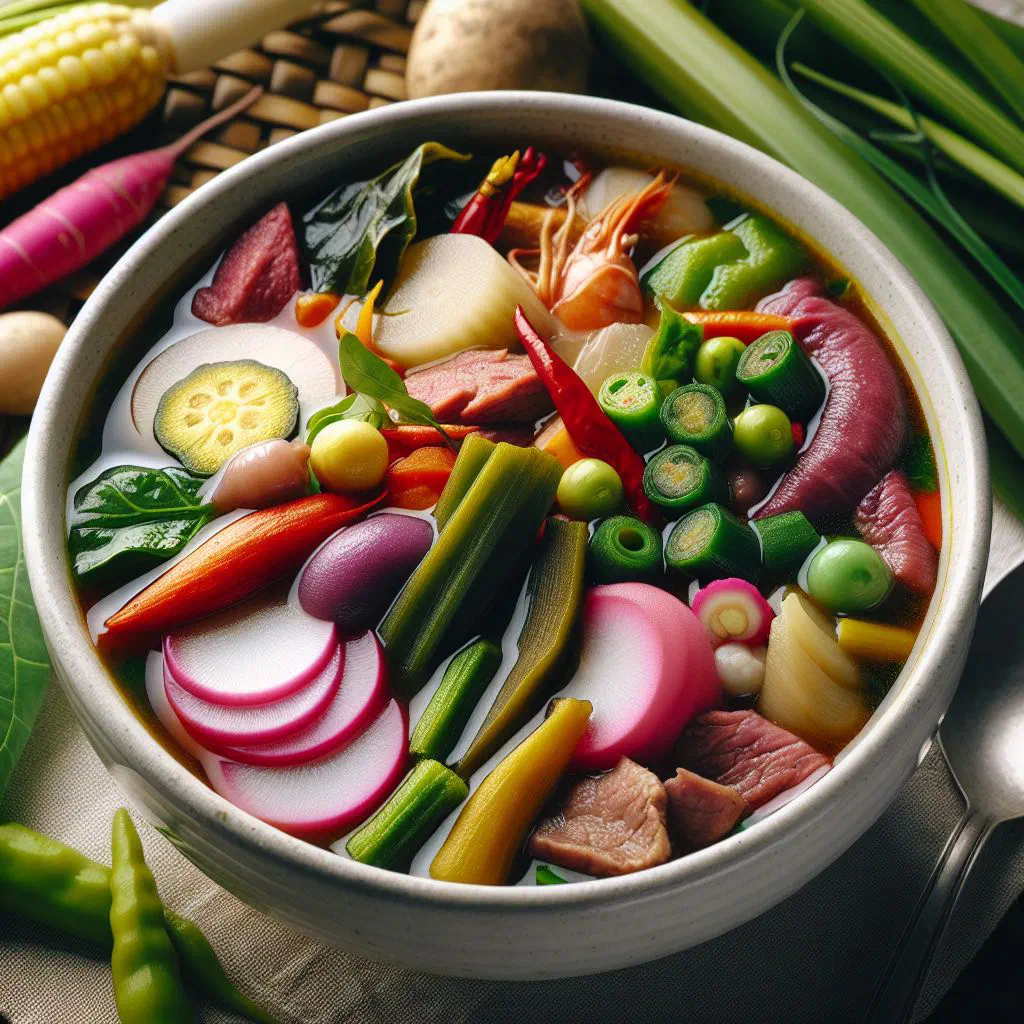
Discover Sinigang, the much-loved national dish of the Philippines. This soul-warming sour soup brings together tender meat, crisp vegetables and a tangy tamarind broth that lingers brightly on the palate. Beloved as comfort food in homes across the archipelago, it strikes a wonderful balance between savoury richness and a refreshing, mouth-puckering sourness. Bring a taste of the islands to your own table with this authentic Filipino classic.
About Sinigang
Sinigang is a popular, traditional dish of Filipino cuisine, celebrated for its uniquely sour flavour. It is a hearty soup most often made with pork, beef or fish, and its signature kick comes from tamarind or other sour fruits that give the broth its characteristic tang. Served with plenty of fresh vegetables, it appeals to with a refreshing, aromatic note that has made it a staple at family meals throughout the country.
Ingredients (serves 1–2)
- 300 g pork (such as belly or shoulder)
- 1 litre water
- 1 small onion, diced
- 2 tomatoes, quartered
- 2–3 white radishes, sliced
- 1 cup green beans, cut into 5 cm lengths
- 1 cup spinach leaves or other leafy greens
- 2–3 tablespoons tamarind paste
- Salt and pepper to taste
- Fresh coriander, to garnish
Shopping for the ingredients
When shopping for sinigang, it is important to choose fresh ingredients to get the best possible flavour. Visit a local market or an Asian grocery to find what you need. Tamarind paste is often sold in tins or as fresh fruit, so pick whichever suits you best. Fresh vegetables also make a real difference to both the nutrients and the taste of the finished dish.
Preparing the dish
Before you start cooking, it is wise to prepare all your ingredients in advance. That means cutting the pork into bite-sized pieces and washing and chopping the vegetables. Make sure everything is cut evenly so that it cooks at the same pace. This bit of groundwork also helps the whole process run more smoothly and efficiently.
Step-by-step instructions
- Bring the pork to the boil in a large pan of water.
- Add the onion and tomatoes and let everything simmer for around 30–40 minutes, until the meat is tender.
- Stir in the tamarind paste and mix well to intensify the flavour.
- Add the white radishes and green beans and cook for a further 5–10 minutes.
- Finally, add the spinach and let it wilt just before serving.
Gluten-free / lactose-free version
The wonderful thing about Sinigang is that it is naturally gluten-free and lactose-free, as long as you are careful about the tamarind paste you choose. Most of the ingredients are plant-based and free from common allergens. When buying tamarind paste, check that it contains no additives that might include gluten.
Tips for vegans and vegetarians
For vegan or vegetarian versions of sinigang, you can replace the meat with tofu or seitan. A vegetable stock adds extra depth of flavour to the broth. Use the same seasonings and tamarind paste to preserve that traditional taste. You might also stir in more vegetables or pulses such as chickpeas or lentils for a heartier result.
More tips and tricks
Experiment with the amount of tamarind paste to reach your preferred level of sourness. Some like the dish a little sharper, while others prefer a milder tang. A pinch of sugar can help balance the acidity if it ever tastes too sour for you. It is also worth trying different vegetables to vary and personalise the dish.
Adapting the recipe to your taste
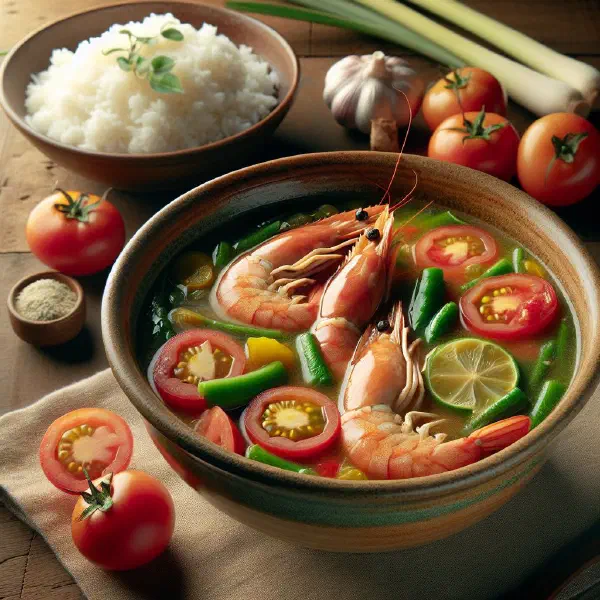
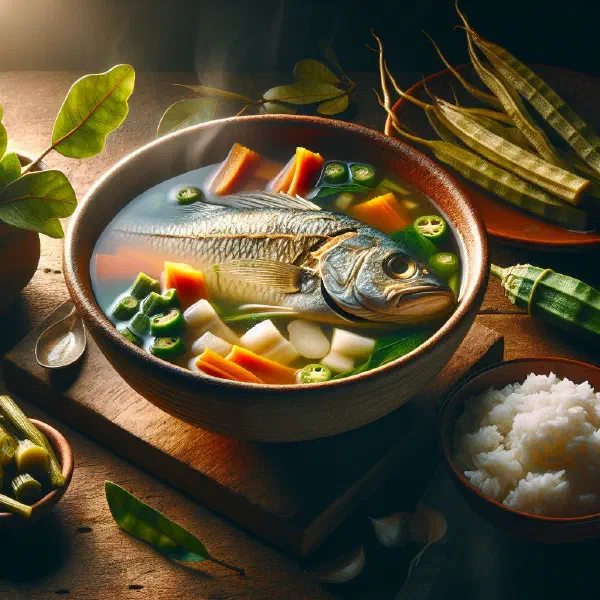
Feel free to adapt the recipe by adding your favourite vegetables or switching the type of meat. Beef and fish are both popular alternatives to pork, the seafood version shines in dishes like Sinigang Na Hipon and Sinigang Na Isda. Fresh herbs such as coriander or spring onion can add an extra burst of freshness. Just make sure the ingredients harmonise well to perfect the flavour.
Ingredient substitutions
If you cannot find tamarind paste, you can use lemon or lime juice instead. It is not strictly traditional, but it achieves a similar sour effect. For added depth, you could also include a kaffir lime leaf. Experiment to find the best combinations for your own palate.
Drink pairing ideas
Refreshing drinks pair beautifully with a hearty dish like Sinigang. A simple glass of water with lemon or a cold lemonade offers a pleasant lift. Traditional Filipino drinks such as Sago’t Gulaman can also be a lovely choice, much like the cooling Gulaman At Sago often enjoyed alongside savoury meals. If you fancy something alcoholic, a light beer or a rosé wine works well.
Serving and presentation ideas
Serve Sinigang in a large bowl and garnish it with fresh coriander for a pretty finishing touch. Transparent dishes can really show off the colours of the vegetables and broth, which looks wonderfully appetising. For special occasions, a nicely laid table with matching napkins and crockery lifts the whole experience. Let the simple elegance of colour and composition take centre stage.
A bit of history
Sinigang has a long tradition in Filipino cuisine and is more than just a dish. It is a symbol of the country’s timeless food culture. It is often regarded as comfort food and plays a central role in many households. Historically, various sour fruits were used to vary the flavour, showing just how flexible the dish can be in its preparation. The use of regional ingredients and adaptation to local tastes have made sinigang a beloved part of Filipino cuisine.
More recipe ideas
Summary: Sinigang
Sinigang is a delicious, traditional dish that wins hearts with its unique sourness and its medley of fresh vegetables. It is wonderfully versatile and adaptable, and can be prepared to suit a range of dietary needs. Fish or entirely plant-based, sinigang has something to offer everyone. The preparation is relatively simple and calls for few ingredients, yet the result is an expressive, flavour-packed dish that brings real joy to the table.