National Dish Philippines: Sisig (Recipe)
In this article
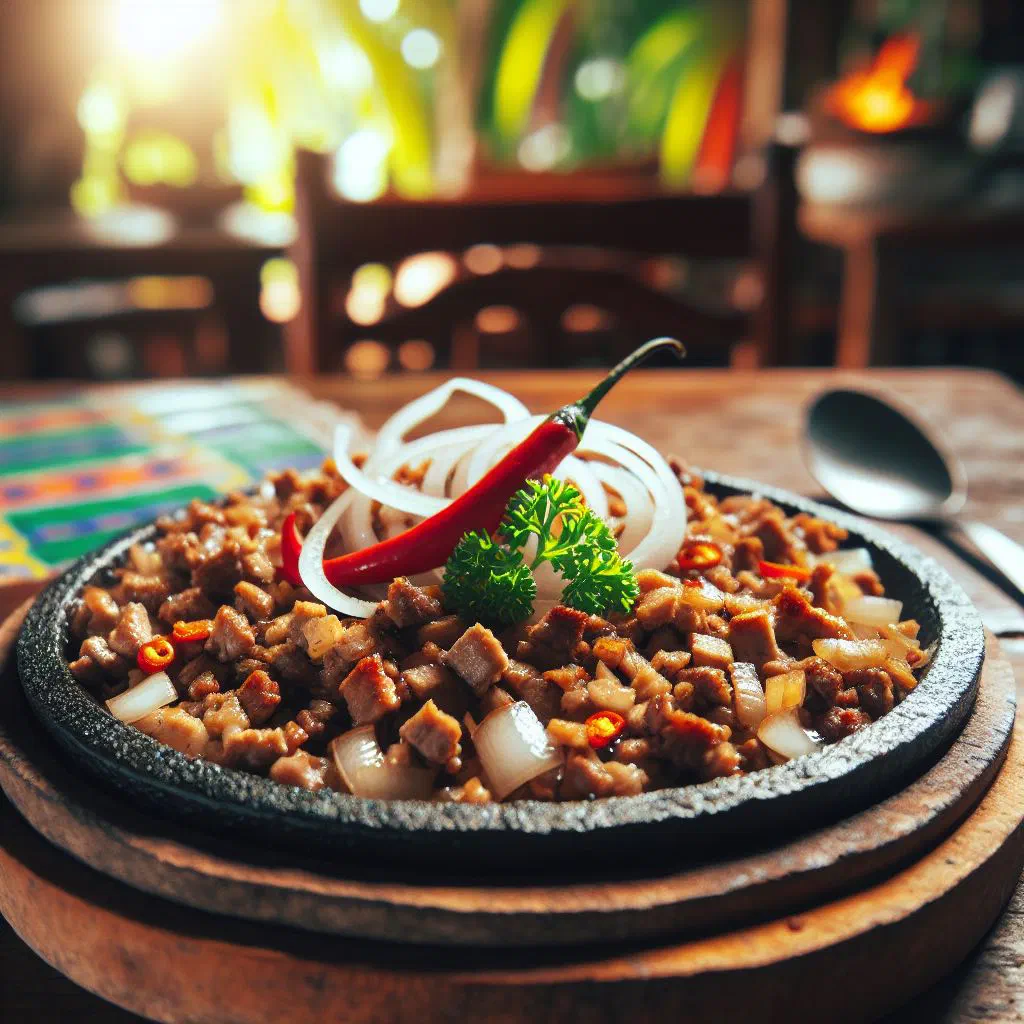
Meet Sisig, one of the Philippines’ best-loved dishes. This sizzling plate brings together crispy pork, sharp onions and a generous squeeze of lime for a flavour that lingers long after the last bite. Smoky, tangy and gently fiery, it began life as humble street food in Pampanga and has since won hearts far beyond the islands. Bring the buzz of a Filipino night market straight to your own kitchen.
About Sisig
Sisig is a traditional Filipino dish that can be prepared in many different ways, though it almost always brings together grilled pork, onions and citrus. It was originally made from leftover cuts such as pig’s head and tail, making it a wonderful example of the Filipino tradition of using every part of the animal. Today this speciality is hugely popular both at home in the Philippines and around the world. The lively mix of flavours and the dish’s sheer versatility make Sisig a culinary experience you really shouldn’t miss.
Ingredients (serves 1–2)
- 250 g pork (neck or belly)
- 1 onion, chopped
- 2–3 garlic cloves, crushed
- 1–2 green chillies, chopped
- 2–3 tablespoons soy sauce
- 1–2 limes (juice)
- 1 tablespoon vinegar
- Salt and pepper, to taste
- Optional: an egg, to serve
Shopping for the ingredients
When shopping for sisig, it is worth choosing fresh, good-quality produce to get the best possible flavour. The pork is usually easy to find at a well-stocked supermarket or butcher. Look for meat that is nicely marbled, as this adds both tenderness and flavour. Onions, garlic and chillies are available at any grocery shop and play a crucial part in building the aromatic backbone of the dish.
Preparing the dish
Before you start cooking sisig, it pays to get all your ingredients ready. The meat needs to be boiled and then grilled or pan-fried to develop the right texture and that all-important smoky, charred flavour. While the pork is simmering, you can chop the onions and garlic ready to fold into the mix later on. Good timing and a little preparation keep the whole process running smoothly and let the flavours shine.
Step-by-step instructions
- Boil the pork in water with a little salt and pepper until tender (about 30 minutes).
- Let the cooked meat cool, then chop it into small pieces.
- Heat a little oil in a pan and fry the chopped pork until crisp.
- Add the onions, garlic and green chillies and sauté briefly.
- Stir in the soy sauce, lime juice and vinegar and mix well.
- Season with salt and pepper, and top with a raw egg just before serving if you like.
Gluten-free / lactose-free version
To make sisig gluten-free, simply use a gluten-free soy sauce. Most of the other ingredients are naturally free from gluten and lactose, so the dish is very easy to adapt. For a fully lactose-free version, leave out the egg if you are using one, or swap it for a plant-based alternative. That way everyone with an intolerance can still enjoy this dish without missing out.
Tips for vegans and vegetarians
Vegan and vegetarian versions of sisig are easy to put together by replacing the pork with tofu or tempeh. These can be marinated and then grilled or fried to achieve a similar flavour and texture. Vegetables such as mushrooms or aubergine also make for interesting flavour combinations. Be sure to keep the other ingredients, like the soy sauce and vinegar, to capture the authentic taste of sisig.
More tips and tricks
For an even deeper flavour in your sisig, you can marinate the meat before cooking. A marinade of soy sauce, lime juice and a few well-chosen spices makes the dish especially tasty. You can also change the texture by adjusting your cooking method, grilling rather than frying, for example. Experiment with different types of chilli to spice the dish exactly to your own liking.
Adapting the recipe to your taste
The wonderful thing about sisig is just how flexible it is to prepare. You can dial the heat up or down by using more or fewer chillies, or leaving them out altogether. Switching the protein for chicken or fish also keeps the dish interesting and helps it suit different diets, much like the spirit of Chicken Inasal. Try alternative flavourings such as sesame oil or ginger to refine the dish further.
Ingredient substitutions
If you can’t find green chillies, peppers work well instead and bring a touch of sweetness to the dish. In place of pork, you could use beef or even mushrooms to create a vegetarian sisig, in the same hearty style as a comforting Kaldereta. For a fruity kick, add pineapple or mango. These alternatives not only open up new flavour experiences but are often healthier too.
Drink pairing ideas
Sisig pairs beautifully with refreshing drinks such as an ice-cold San Miguel beer or a fruity mango smoothie. A tart iced tea also does a fine job of balancing the dish’s bold seasoning. If you fancy something a little stronger, citrus-based cocktails or a classic mojito are the perfect choice. Picking the right drink can round off the whole experience and impress your guests.
Serving and presentation ideas
Serve sisig in a hot cast-iron pan to capture the feel of an authentic Filipino meal. A creative garnish of fresh lime wedges and coriander adds colour and makes the dish even more inviting. Be generous with the portions so they really fill the plate and look their best. The right presentation can lift the enjoyment of the dish that little bit further.
A bit of history
Sisig has its roots in Filipino cuisine and traces back to the region of Pampanga. It began as a clever way to make use of pork off-cuts and grew into a much-loved street food. Sisig became even more popular in the 1970s, when it started appearing on restaurant menus across Manila. Today it is regarded as one of the national dishes of the Philippines and is often served at celebrations and festivals across Filipino cuisine.
More recipe ideas
Summary: Sisig
In short, Sisig is a varied and flavour-packed dish that offers something for meat lovers, vegans and vegetarians alike. With its fascinating history and its readiness to adapt to personal taste, sisig is a dish that appeals to both the palate and the eye. Fresh ingredients and a little creative presentation can turn this main course into a genuine highlight of any meal. Let the rich culture of the Philippines inspire you, and have a go at cooking this delicious dish for yourself.