National Dish Philippines: Tokwa't Baboy (Recipe)
In this article
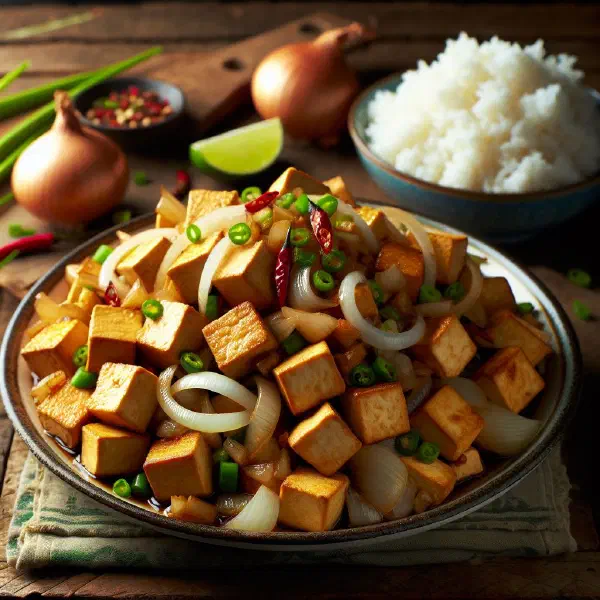
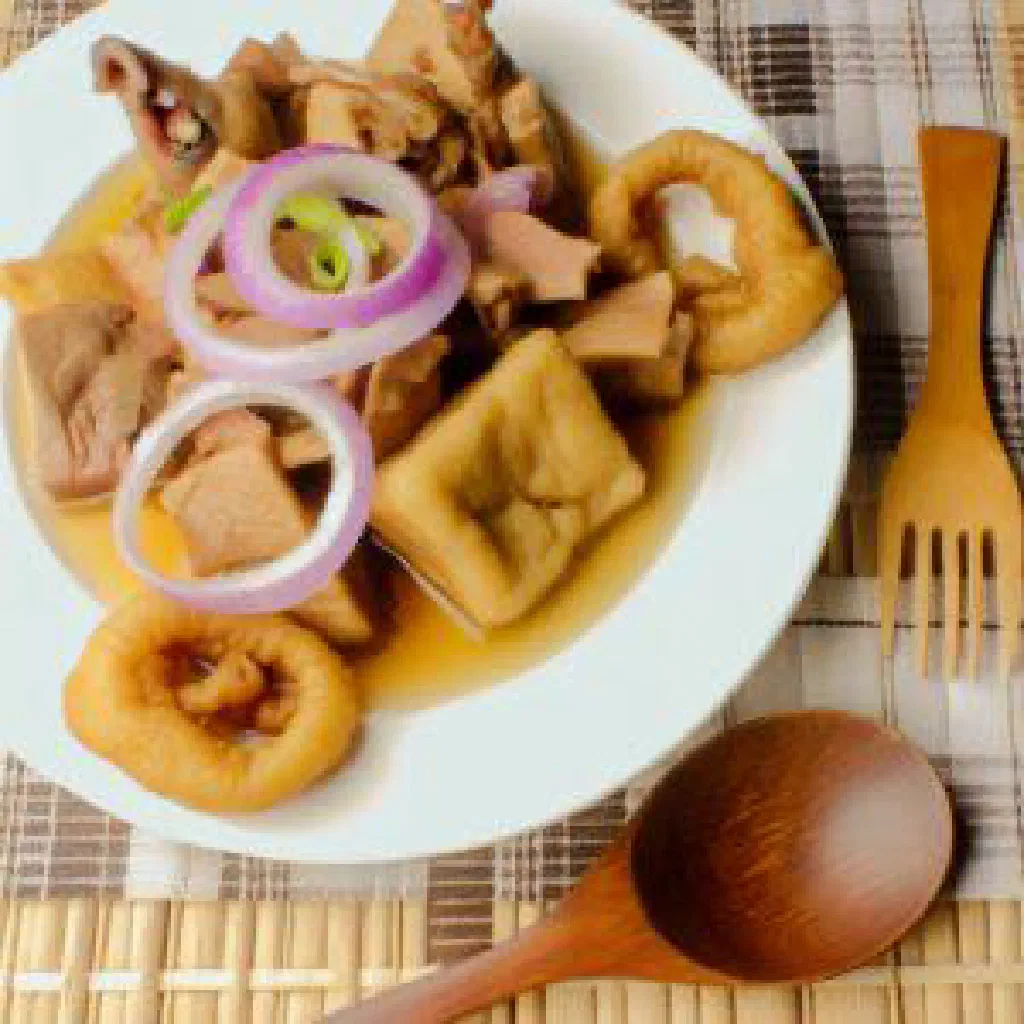
Discover Tokwa’t Baboy, a much-loved Filipino classic that brings together crisp fried tofu and tender pork belly in a bright, tangy sauce. Equally at home as a hearty main, a side dish or a moreish snack, it pairs golden, savoury meat with soft, silky tofu for a real treat for the senses. Enjoyed warm or cold, alongside steamed rice or as part of a generous spread, it captures the easy-going, sociable spirit of Filipino cooking in every bite.
About Tokwa’t Baboy
Tokwa’t Baboy is a popular dish from the Philippines made with crisp pork and tofu. It is more than just a main course. It is just as often served as a side dish or a snack. The combination of savoury, well-seasoned meat and tender tofu makes it a truly delicious experience. You can enjoy it either warm or cold, and it pairs beautifully with rice or as part of a hearty, shared meal.
Ingredients (serves 1–2)
- 300 g pork belly
- 200 g tofu
- 2 tablespoons soy sauce
- 1 tablespoon vinegar
- 1 onion, diced
- 2 cloves garlic, chopped
- 1–2 green chillies
- Salt and pepper, to taste
- Fresh chives, to garnish
Shopping for the ingredients
For Tokwa’t Baboy it is important to choose good-quality produce. Look for fresh pork belly to bring out the best flavour, and make sure the tofu is fresh and well packaged too, with soy sauce and vinegar of a decent standard. Wherever possible, visit an Asian grocery to track down authentic ingredients that will make the dish even more delicious.
Preparing the dish
Before you start cooking, it pays to get all the ingredients ready. The pork should be cut into small cubes so it cooks through evenly, and the tofu can be cubed too, ideally into slightly chunkier pieces. Finely dice the onions and garlic, while the chillies can be left whole or sliced into rings, just as you prefer.
Step-by-step instructions
- Heat a pan over medium heat and fry the pork until golden brown and crisp.
- Add the onions and garlic and cook until softened.
- Tip in the tofu cubes and toast them briefly alongside the meat.
- Add the soy sauce, vinegar and chillies and let everything simmer for a few minutes.
- Season with salt and pepper to taste and garnish with fresh chives.
Gluten-free / lactose-free version
To make Tokwa’t Baboy gluten-free or lactose-free, there are a few easy adjustments you can make. Use gluten-free soy sauce or tamari in place of regular soy sauce, and check that your tofu is lactose-free, which it usually is by nature. These changes deliver an equally tasty version of this traditional dish without losing any of the enjoyment.
Tips for vegans and vegetarians
A vegan or vegetarian take on Tokwa’t Baboy is easy to achieve by swapping the pork for extra tofu cubes or vegetables. Marinate the vegetables in a mix of soy sauce and vinegar to deepen the flavour. Shiitake mushrooms are an excellent meat alternative too, offering a meaty texture and a savoury bite. These adaptations make for a delicious, nourishing dish that appeals to even without any animal products, much like the plant-based Tofu Sisig.
More tips and tricks
To boost the aroma of Tokwa’t Baboy, you can add extra seasonings such as ginger or bay leaves. Experiment with the cooking time to get the tofu just how you like it, crisp or tender. It also helps to scatter over fresh ingredients such as coriander or spring onions for a lift of freshness. Keep any leftovers in the fridge so the flavours can develop overnight.
Adapting the recipe to your taste
Everyone has different tastes, so Tokwa’t Baboy is easy to tailor to your own. If you like it spicier, add more chillies or even a dash of sambal. For a sweeter note, stir in a pinch of sugar, or fold through crunchy vegetables such as carrots and peppers. Play around with the ingredients and quantities to create a dish that is just right for you and a hit with family and friends.
Ingredient substitutions
If you cannot find certain ingredients for Tokwa’t Baboy, there are always alternatives. The pork belly, for instance, can be swapped for chicken or beef if you fancy a different flavour, much as it is in Bistek Tagalog. Tofu can be replaced with other plant-based proteins such as tempeh or seitan. That way the dish stays interesting even when you vary the ingredients.
Drink pairing ideas
A range of drinks pairs well with Tokwa’t Baboy and rounds out the experience. A classic Filipino drink such as calamansi juice offers a refreshing tartness alongside it. Alternatively, a light beer or sake works to support the savoury flavours. If you prefer alcohol-free options, fizzy drinks such as ginger ale make a refreshing choice.
Serving and presentation ideas
An attractive dish is often all the more appetising. Serve Tokwa’t Baboy in a shallow bowl and garnish with fresh herbs and lime wedges. Colourful sides such as steamed vegetables or a fresh salad can also help make the dish look its best. Use boldly coloured tableware to highlight the different components and catch your guests’ eye.
A bit of history
Tokwa’t Baboy has its roots in Philippine cuisine and reflects the blend of different culinary influences that shape it. The dish shows how Filipino cooking brings together both Asian and Western ingredients and methods of preparation. It is often served at festive occasions or family gatherings, giving it real cultural significance. Today it is popular not only across the Philippines but internationally too, and it sits comfortably among the classics of the country’s Filipino cuisine, much like the beloved Sisig.
More recipe ideas
Summary: Tokwa’t Baboy
In short, Tokwa’t Baboy is a versatile and flavoursome dish that adapts easily to different tastes and dietary needs. It offers a delicious combination of textures and flavour. The preparation calls for just a few simple steps and very little time, making it ideal for any occasion. Give this dish a try and experience the variety and richness of Filipino cuisine.