National Dish Poland: Pierogi (Recipe)

In this article
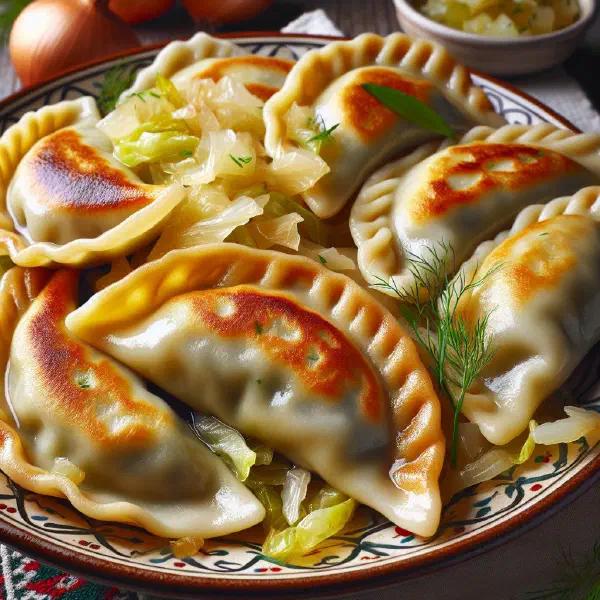
Discover Pierogi, the beloved filled dumplings that stand at the very heart of Polish cooking. These tender parcels of dough wrap around a whole world of fillings, from savoury potato and cheese to minced meat, sauerkraut, mushrooms and even sweet fruit. Comforting, homely and endlessly versatile, pierogi have won admirers far beyond Poland’s borders. With a little patience and a floured work surface, you can bring this cherished classic straight to your own kitchen.
About Pierogi
Pierogi are dumplings made from a simple wheat dough, boiled in water or steamed until tender and filled with any number of tasty mixtures. They can be prepared in countless variations, but the most popular fillings include minced meat, potato, sauerkraut, mushrooms, cheese and fruit. A much-loved dish across Poland, pierogi have earned a devoted following in other countries too, appearing on tables from family Sunday lunches to festive gatherings. Their charm lies in that combination of soft dough and generous, savoury filling.
Ingredients (serves 1–2)
- 500 g plain flour
- 1 teaspoon salt
- 2 tablespoons oil
- 200 ml water
- For the filling:
- 250 g minced meat
- 2 potatoes
- 1 onion
- 1 tablespoon oil
- Salt and pepper, to taste
Shopping for the ingredients
When shopping for pierogi, it pays to choose fresh ingredients for the best possible flavour. If you are buying minced meat, look for good quality from a trusted butcher. Pick firm, floury potatoes, sound onions and a decent cooking oil. Most of what you need is easy to find in any supermarket, so you can put the whole dish together without hunting for anything unusual.
Preparing the dish
Before you start shaping pierogi, it helps to get the filling ready. Peel and rinse the potatoes and onion, and boil the potatoes until soft before you mash or dice them. Brown the minced meat with the onion so the filling is fully cooked and full of flavour. Once your filling has cooled a little, you can turn your attention to the dough and roll it out at a relaxed pace.
Step-by-step instructions
- In a bowl, combine the flour, salt, oil and water, then knead until you have a smooth, elastic dough.
- Wrap the dough in cling film and let it rest in the fridge for 30 minutes.
- Meanwhile, fry the minced meat, cooked potatoes and onion together in a pan with a little oil.
- Roll the dough out on a floured surface and cut out rounds with a cutter or glass.
- Spoon the meat-and-potato filling onto each round and fold the dough over, pressing the edges firmly to seal.
- Boil the pierogi in a pan of simmering water, or steam them, until they float and are cooked through.
- Serve the pierogi hot with a sauce, melted butter or fried onions of your choice.
Gluten-free / lactose-free version
Pierogi are easy to adapt for special diets. For a gluten-free version, swap the wheat flour for a good gluten-free flour blend, ideally one with a little xanthan gum so the dough holds together when you fold and boil it. The classic potato-and-meat filling is naturally lactose-free, and if you use a cheese filling you can reach for a lactose-free cheese instead.
Tips for vegans and vegetarians
Pierogi lend themselves beautifully to plant-based cooking. Vegans and vegetarians can simply replace the minced meat with tofu or seitan, or lean into the classic meat-free fillings of potato, sauerkraut and mushroom. Swap the oil or any butter for a plant-based alternative such as coconut or olive oil. Take care to check spice blends and pre-made ingredients for hidden animal products, and your vegan pierogi will be every bit as satisfying as the original.
More tips and tricks
For the best pierogi, seal each dumpling firmly so no filling escapes during boiling, a fork pressed along the edge both closes and decorates them. Cook them in batches in plenty of gently simmering water so they do not stick together. Many cooks like to finish boiled pierogi in a hot pan with butter and onions for a golden, slightly crisp edge. A dollop of soured cream on the side rounds everything off nicely.
Adapting the recipe to your taste
Pierogi are wonderfully flexible and easy to tailor to your own liking. Vary the filling as you please, go for savoury sauerkraut and mushroom, creamy potato and cheese, or sweet fruit for a dessert version. Add a little pepper or fresh herbs to the filling for extra depth, or keep it simple and mild. You can even make a mixed batch so there is something for every guest.
Ingredient substitutions
If you are missing an ingredient, there is almost always a good stand-in. Sweet potatoes work in place of regular potatoes for a slightly sweeter, more colourful filling, while cooked mushrooms make a hearty vegetarian alternative to meat. Ricotta or a mild curd cheese can replace the classic twaróg, and a splash of plant milk keeps a cheese filling creamy. These little swaps let you adapt pierogi to whatever you have to hand.
Drink pairing ideas
Pierogi are a very tasty dish that pairs beautifully with a range of alcohol-free drinks. Good choices include apple juice, tomato juice, orange juice, a pot of tea or simple sparkling water. A tart cranberry drink or a glass of buttermilk also complements the rich, savoury filling nicely and refreshes the palate between mouthfuls.
Serving and presentation ideas
Presentation adds to the pleasure of a plate of pierogi. Pile them onto a warm platter and scatter over golden fried onions and a little chopped parsley. A generous spoonful of soured cream on the side looks inviting and balances the dish, while savoury pierogi love the company of crispy bacon bits. Arranged on a large dish with colourful garnishes, they make an appealing centrepiece for any table.
A bit of history
Pierogi are a much-loved national dish in Poland and have made a name for themselves well beyond its borders. There are many regional varieties, but the traditional recipe is often traced back to the 17th century, when dumplings became a staple of home cooking across the country. Passed down through generations and served at everything from everyday meals to holidays and weddings, pierogi remain a proud symbol of hearty Polish cuisine.
More recipe ideas
Summary: Pierogi
Pierogi are more than just dumplings; they are a taste of Polish home cooking and hospitality. With their tender dough and generous choice of fillings, from minced meat and potato to sauerkraut, mushroom and sweet fruit, they suit every palate and occasion. This recipe has walked you through the ingredients, the shopping, the preparation and plenty of tips for vegans and special diets. We hope you now feel ready to make your own pierogi and share them at your table, give it a try, and enjoy a true Polish classic.