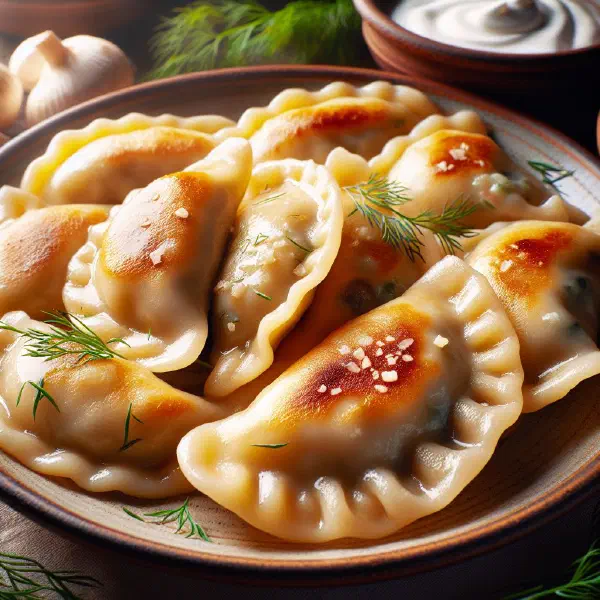
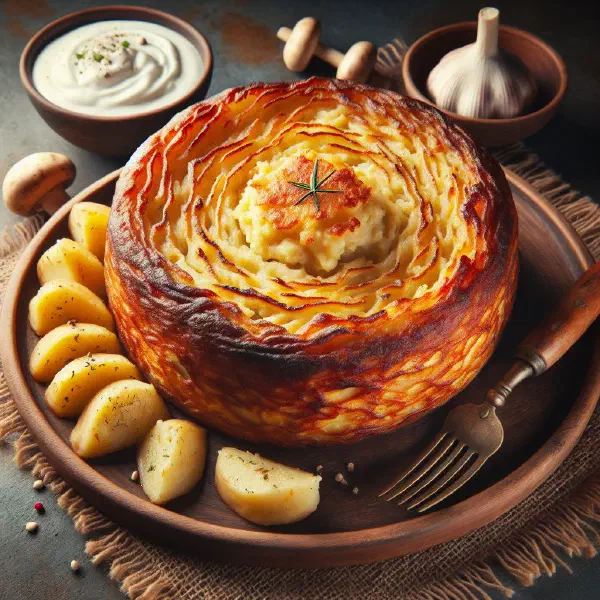
National Dish Poland: Pierogi Ruskie (Recipe)
In this article
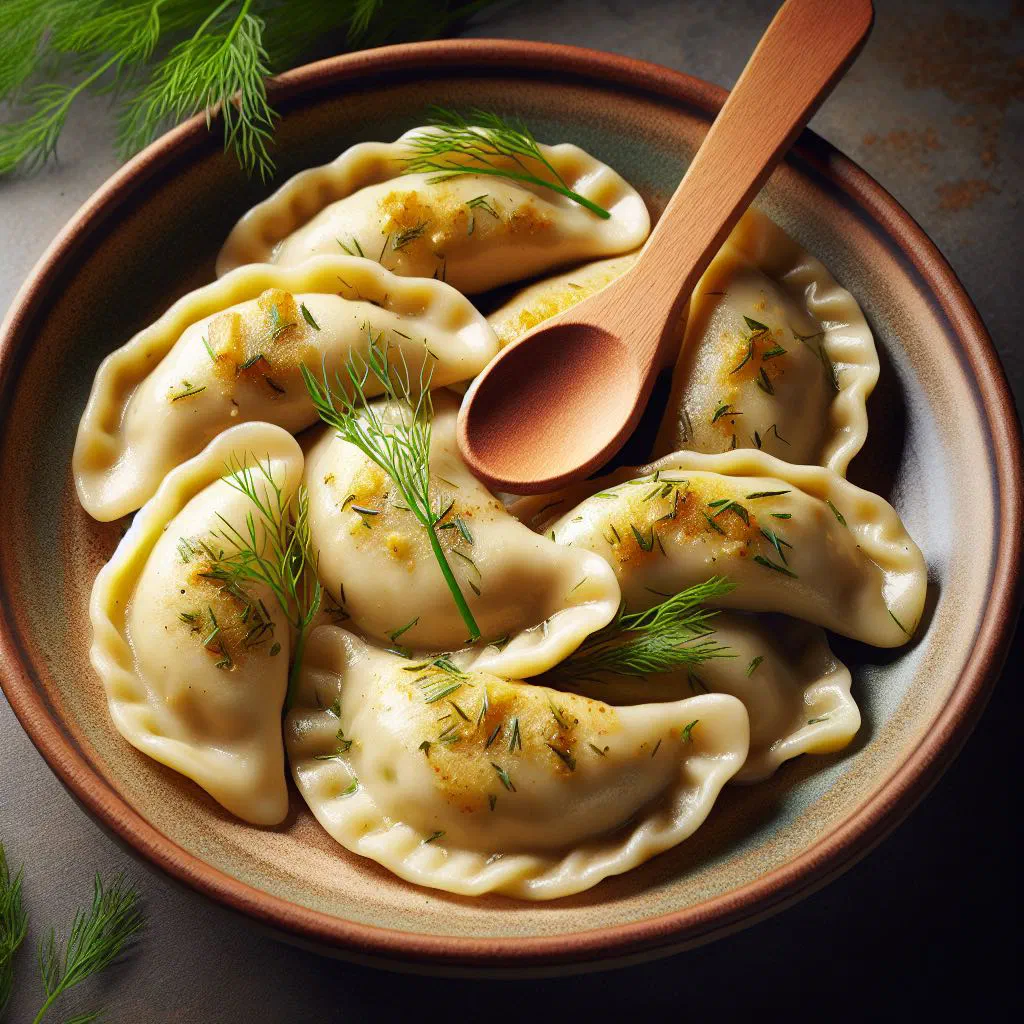
Meet Pierogi ruskie, one of the true stars of Poland’s kitchen. These plump little dumplings hide a comforting filling of potato, tangy quark and softly fried onion inside a tender, home-made dough. Beloved far beyond Poland’s borders, they slip effortlessly between everyday supper and festive spread, and they reward a lazy afternoon of folding with a plateful of pure comfort. Bring a taste of the Polish table straight into your own kitchen.
About Pierogi Ruskie
Pierogi ruskie are a genuine highlight of the Polish table, cherished for their gentle flavour and their wonderfully adaptable nature. At their heart is a savoury filling of potato, quark and golden onion, wrapped in a soft, hand-rolled dough. Their appeal reaches well beyond Poland, and thanks to their versatility they work equally well as a hearty main dish or as a side. Whether for a family gathering or a cosy meal at home, they turn any occasion into something a little more special.
Ingredients (serves 1–2)
- 250g plain flour
- 1 egg
- 100ml water
- 300g potatoes
- 200g quark
- 1 large onion
- 2 tablespoons butter
- Salt and pepper, to taste
Shopping for the ingredients
To gather everything you need for pierogi ruskie, your local supermarket or a Polish grocery is the best place to start, where you will find most ingredients fresh and in good condition. Take particular care to choose floury potatoes, as they break down into the creamiest filling once cooked. For the cheese, plain quark works beautifully, though ricotta makes a fine stand-in if you prefer a slightly different texture.
Preparing the dish
Preparing pierogi ruskie is straightforward and asks for just a little practice. Begin by boiling the potatoes and mashing them until smooth. Dice the onion and fry it in butter until golden. Combine the mashed potato, fried onion and quark into a creamy filling, seasoning it to taste with salt and pepper. The dough is made from flour, egg and water, then rolled out thinly before it is filled and shaped into dumplings.
Step-by-step instructions
- Boil the potatoes, peel them and mash until smooth.
- Dice the onion and fry it in butter until golden brown.
- Mix the mashed potato with the quark and the fried onion, then season with salt and pepper.
- Combine the flour, egg and water in a bowl and knead until you have a smooth dough.
- Roll the dough out thinly and cut out circles using a glass.
- Place a little filling in the centre of each circle, fold over and press the edges firmly to seal.
- Drop the filled pierogi into boiling water and cook until they rise to the surface.
- Once cooked, pan-fry them in butter if you like a crisp, golden finish.
Gluten-free / lactose-free version
For a gluten-free version of pierogi ruskie, simply swap the wheat flour for a gluten-free flour suited to baking, or use a blend of several gluten-free flours for a better texture. To make the dish lactose-free, reach for lactose-free quark or a plant-based alternative such as tofu or cashew cream. These small changes mean everyone, including those with food intolerances, can enjoy these delicious dumplings.
Tips for vegans and vegetarians
Vegans can make pierogi ruskie by replacing the egg in the dough with a mix of water and ground flaxseed or chia seed. The quark can be swapped for a plant-based option, such as puréed tofu or a blend of cashews and dairy-free yoghurt. For vegetarians the recipe already fits the bill perfectly, provided you leave out any lard. With these tweaks, everyone can tuck into a plate of vegan dumplings.
More tips and tricks
To make sure your pierogi ruskie turn out beautifully, try experimenting with different fillings, folding in vegetables such as spinach or mushrooms is a lovely way to liven things up. It also helps to leave enough space between the dumplings as they cook so they do not stick together. Let the filled pierogi rest on a floured cloth until you are ready to boil or fry them, much as you would when making a batch of Pierogi.
Adapting the recipe to your taste
The wonderful thing about pierogi ruskie is how easily they bend to personal preference. Play around with different vegetable or cheese fillings depending on the season and your mood, and vary the seasoning however you like. If you enjoy a little heat, add a pinch of chilli powder, or reach for red or more pungent onions in place of the usual variety for a bolder flavour.
Ingredient substitutions
If you do not have potatoes to hand, sweet potatoes make a slightly different but equally tasty version of pierogi ruskie. For an extra-creamy filling, cream cheese works well in place of quark. Butter can be swapped for vegetable oil or margarine to suit different dietary needs around the table, a handy trick that also comes in useful when you fancy a batch of Pierogi Z Kapusta. Small adjustments like these often lead to surprisingly good results.
Drink pairing ideas
A range of drinks pairs beautifully with pierogi ruskie. A classic Polish kompot, simmered from dried or fresh fruit, harmonises especially well, much like the one you would serve with Kompot Z Suszu. A freshly poured beer or a glass of dry white wine also suits these savoury dumplings nicely. For an alcohol-free option, a fruity iced tea or sparkling water with lemon makes a refreshing finish.
Serving and presentation ideas
When it comes to presenting pierogi ruskie, let your creativity run free. Serve them on a large plate scattered with fresh greenery, such as parsley or dill, to bring out the colours. A dollop of soured cream or a few drops of lemon juice add both flavour and a pretty finish. A side of golden fried onions or crisp bacon pieces makes for an extra-special treat.
A bit of history
Pierogi ruskie are rooted in traditional Polish cooking, shaped by a rich patchwork of influences and regional variations, alongside classics such as Bigos and Golabki. They were originally prepared by farmers as a nourishing meal to fuel hard work in the fields. The name ruskie comes from the region of Ruthenia, where this particular filling was especially popular. Today they are known and loved not just in Poland but around the world, and they hold a firm place in many culinary traditions of Polish cuisine.
More recipe ideas
Summary: Pierogi Ruskie
In short, pierogi ruskie are a wonderful and delicious way to dive into Polish cooking. These traditional dumplings, with their savoury potato-and-quark filling, are not only easy to prepare but endlessly adaptable. They are a treat for the whole family. Give them a go and discover the unique flavour of Poland’s food culture for yourself.