National Dish Portugal: Amêijoas à Bulhão Pato (Recipe)
In this article
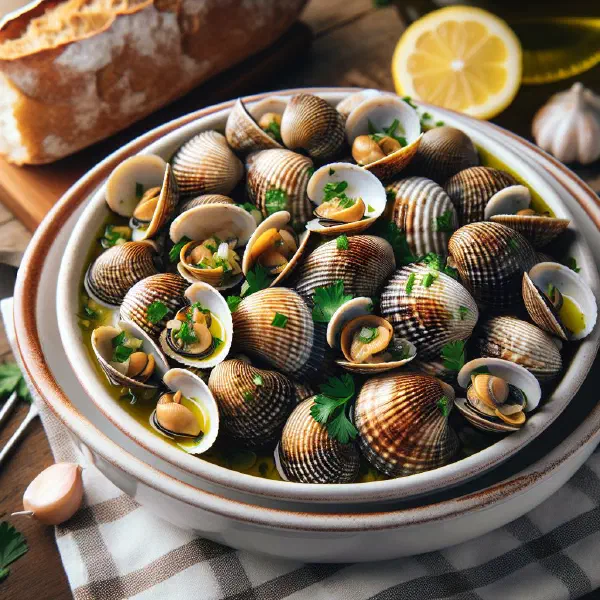
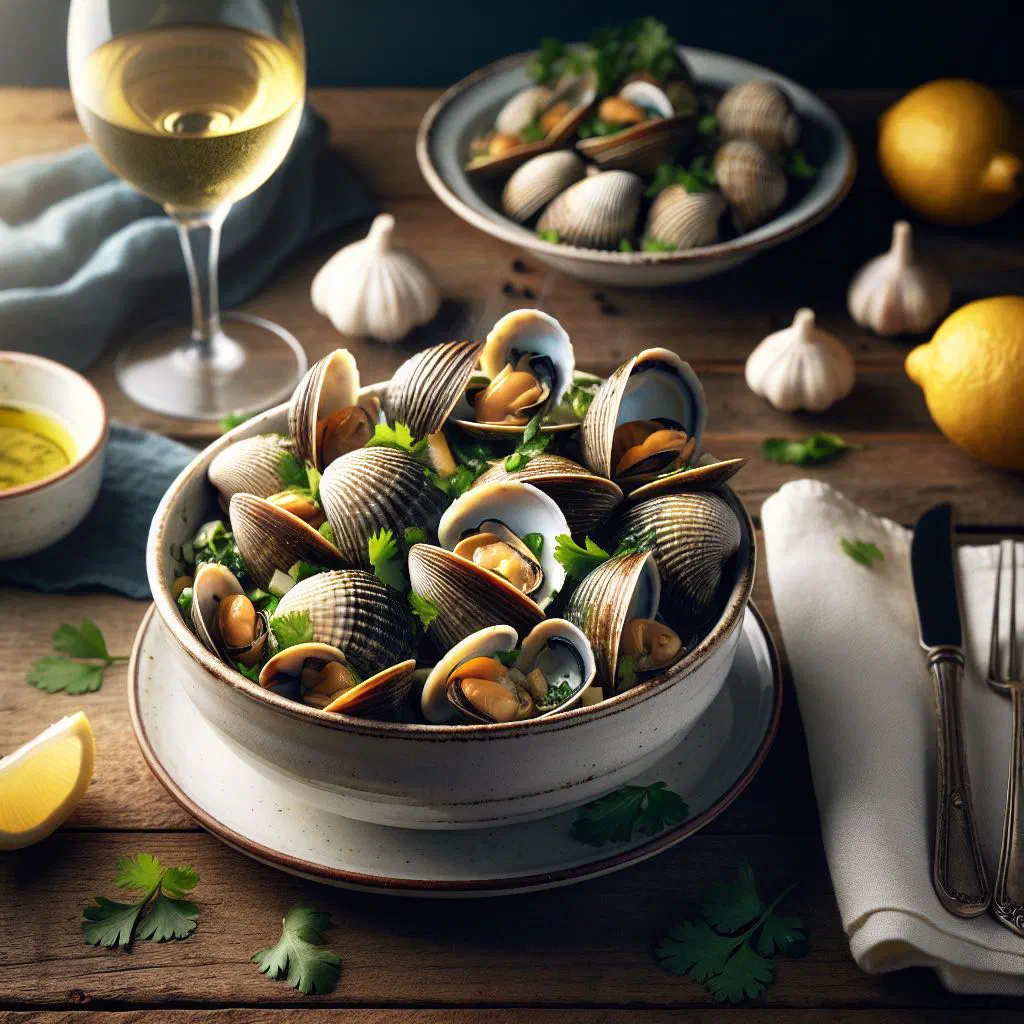
Few dishes capture the spirit of the Portuguese coast quite like Amêijoas à Bulhão Pato. Plump, briny clams are coaxed open in a fragrant bath of garlic, fresh coriander and good olive oil, then finished with a squeeze of lemon. Simple, quick and unmistakably maritime, it works beautifully as a starter for a special occasion or as a light supper with crusty bread to mop up every last drop of the juices.
About Amêijoas à Bulhão Pato
Amêijoas à Bulhão Pato is a traditional Portuguese dish rooted in the heart of Mediterranean cooking. The star ingredient is fresh clams, which take on a distinctive aroma thanks to the combination of garlic, coriander and good-quality olive oil. The dish is often served as a starter or a light main course, and it is just as at home at a celebratory meal as it is on a relaxed evening in. More than a treat for the palate, it is a little slice of Portuguese living that whisks you straight to the country’s shores.
Ingredients (serves 1–2)
- 500 g fresh clams
- 4–5 garlic cloves, finely chopped
- 1 bunch fresh coriander, roughly chopped
- Olive oil (to taste)
- A squeeze of lemon
- Salt and pepper, to taste
Shopping for the ingredients
Choosing the right ingredients is the key to a successful Amêijoas à Bulhão Pato. Head to your local fishmonger to make sure the clams are as fresh as possible. They should be tightly shut; clams that gape open are usually past their best. It is also worth picking up a good-quality olive oil and a generous bunch of fresh coriander to round out the dish’s aromatic profile.
Preparing the dish
Preparing Amêijoas à Bulhão Pato is straightforward, but the clams need a thorough clean before you cook. Soak them in a large container of water to draw out any sand and grit, then rinse them several times until the water runs clear. Cleaning the clams properly is what ensures your dish ends up delicious and safe to eat.
Step-by-step instructions
- Heat a few tablespoons of olive oil in a large pan.
- Add the finely chopped garlic and sauté briefly until fragrant.
- Tip in the freshly washed clams and cover the pan with a lid.
- After about 5–7 minutes the clams should have opened; discard any that remain shut.
- Scatter over the chopped coriander and season with salt, pepper and a squeeze of lemon.
- Serve the dish hot with freshly baked bread.
Gluten-free / lactose-free version
Amêijoas à Bulhão Pato is naturally gluten-free and lactose-free, which makes it an ideal choice for anyone with an intolerance. Simply serve it with a gluten-free bread for soaking up the delicious clam juices. Otherwise the method stays exactly the same, with no special adjustments needed. You can enjoy this dish just as it is, with complete peace of mind.
Tips for vegans and vegetarians
While Amêijoas à Bulhão Pato is difficult to make truly vegan or vegetarian, there are some appealing alternatives. In place of clams you might use marinated oyster mushrooms, whose texture and savoury flavour come pleasingly close. Cook the mushrooms in the same aromatic sauce to echo those maritime notes. That way vegans and vegetarians can also get a taste of this Portuguese speciality.
More tips and tricks
To get the very best from your Amêijoas à Bulhão Pato, make freshness your guiding principle. Reach only for the freshest ingredients and steer clear of tinned shortcuts. Another tip is not to overcook the dish, so the clams stay tender and juicy. You can also be creative with the recipe, adding extra herbs or seasonings to vary the flavour to your liking.
Adapting the recipe to your taste
The lovely thing about Amêijoas à Bulhão Pato is how easily it adapts. Depending on your taste, you can ramp up the garlic or coriander, or fold in other herbs such as parsley. For a spicier edge, a pinch of red chilli flakes brings a welcome kick to the dish. Play with the aromas and find the version you love best, the same spirit of improvisation that powers a good Caldeirada de Peixe.
Ingredient substitutions
If you cannot find fresh clams, there are a few alternatives worth trying. Tinned clams, for example, come ready cooked and seasoned. For a different take altogether, you could use prawns or scallops, which are just as delicious but bring their own flavour notes, much as squid does in a plate of Espetada de Lulas. Any of these substitutions will still deliver a wonderful result.
Drink pairing ideas
A good glass of wine and Amêijoas à Bulhão Pato make an absolute dream pairing. A crisp white wine such as a Vinho Verde or a Sauvignon Blanc complements the seafood perfectly and brings out the flavours beautifully. A zippy, dry Riesling works splendidly too. For anyone who would rather skip the alcohol, a freshly squeezed citrus juice makes a refreshing option.
Serving and presentation ideas
Presentation can lift the whole Amêijoas à Bulhão Pato experience. Serve the dish in a large, shallow bowl and garnish it with fresh herbs to play up the colour and freshness. A few lemon wedges set to one side make the plate even more inviting. Offer a piece of crusty bread alongside so guests can soak up those delicious juices.
A bit of history
Amêijoas à Bulhão Pato has a long history in Portuguese cuisine and is named after the celebrated Portuguese poet Bulhão Pato. The dish reflects Portugal’s maritime tradition and was originally prepared by fishermen who enjoyed their fresh catch right on the beach. Today it appears on countless restaurant menus and is often seen as a symbol of the country’s distinctive culinary culture. Its appeal spans every generation and remains very good.
More recipe ideas
Summary: Amêijoas à Bulhão Pato
Amêijoas à Bulhão Pato is a simple yet refined dish that unites the flavours of the sea with the traditions of Portuguese cooking. With a handful of fresh ingredients and an uncomplicated method, it is still a real treat that brings a spark of excitement to any meal. Thanks to its many possible tweaks and combinations, every cook can shape the dish to their own taste. Let the aromas work their magic and savour a slice of Portuguese culture in every bite.