National Dish Portugal: Bolo do Caco (Recipe)
In this article
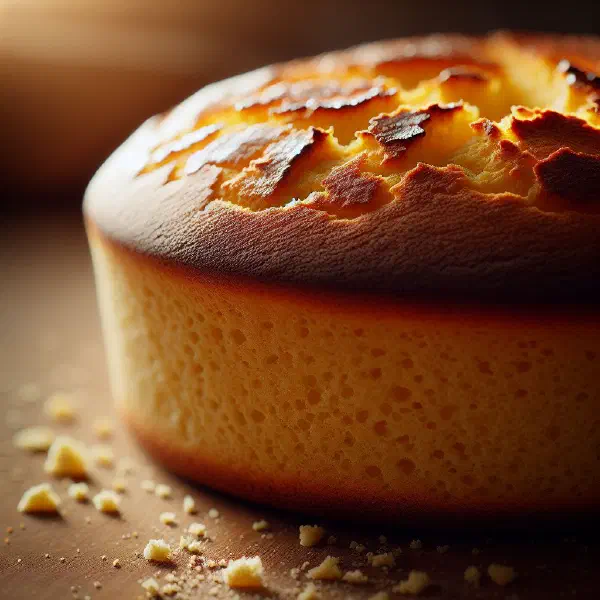
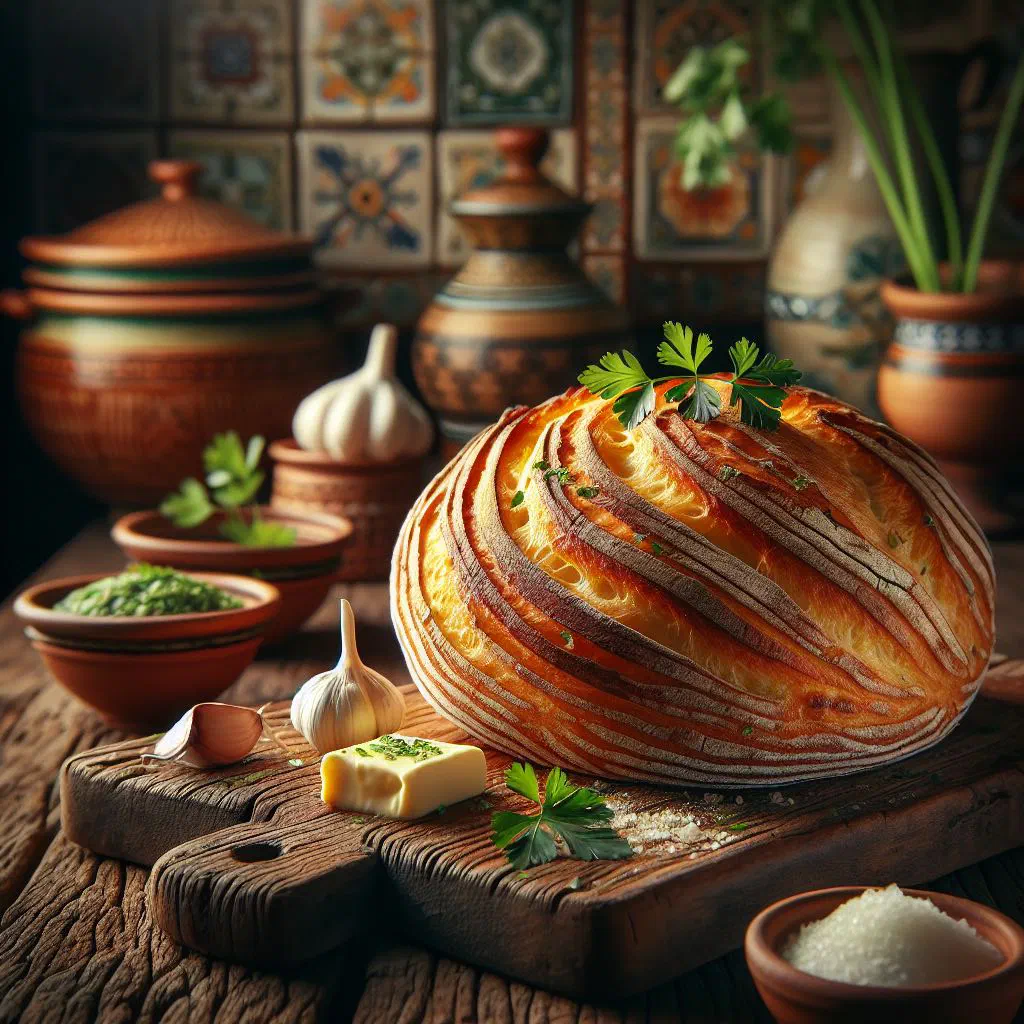
Discover Bolo do Caco, the very good flatbread of Madeira and one of Portugal’s most beloved bakes. Famed for its crisp, golden crust and pillowy soft centre, this rustic round loaf was traditionally cooked on hot stones over an open fire. Slathered with garlic butter and served warm, it carries the sunshine, the sandy beaches and the warm-hearted hospitality of the Madeiran islanders straight to your table.
About Bolo do Caco
Bolo do Caco is a traditional bread-like bake from the island of Madeira in Portugal, celebrated as much for its singular taste as for its simple yet captivating method. It was originally cooked on hot stones, which is exactly what gives the loaf its characteristic crust. The name itself refers to the caco, the flat basalt slab on which it was once baked. For many people this delicious bread conjures up images of sunny beaches and the famously warm welcome of the Madeiran people, making it a true icon of the island’s table.
Ingredients (serves 1–2)
- 500 g plain wheat flour
- 300 ml warm water
- 1 sachet dried yeast
- 2 tsp salt
- Olive oil (for greasing)
- Optional: garlic and fresh herbs for extra flavour
Shopping for the ingredients
When putting together everything you need for Bolo do Caco, source your ingredients from a well-stocked supermarket or order them online. Pay particular attention to the quality of the wheat flour, as it has a direct bearing on the texture of the finished bread. Fresh dried yeast ensures the dough rises well and turns out beautifully light and airy. If you would like to add garlic or herbs, fresh versions are especially worthwhile for a more intense aroma.
Preparing the dish
Preparing Bolo do Caco could hardly be simpler and takes very little time. Start by combining the warm water and the dried yeast in a bowl, then leave the mixture to stand for a few minutes so the yeast can activate. Next add the flour and the salt, and knead the dough until it is smooth and elastic.
Step-by-step instructions
- In a large bowl, mix the dried yeast with the warm water and leave to stand for 5 minutes.
- Add the flour and the salt and knead thoroughly until you have a smooth, supple dough.
- Cover the dough and leave it to rise in a warm place for about 1 hour, until doubled in size.
- Turn the risen dough out onto a floured surface and shape it into round flatbreads.
- Preheat a pan and cook the flatbreads over medium heat for about 5–7 minutes per side.
Gluten-free / lactose-free version
For a gluten-free version of Bolo do Caco, simply use a gluten-free flour blend. Bear in mind that you may need to adjust the yeast step slightly, as gluten-free flour often does not behave like ordinary flour. As for lactose, the original recipe is naturally lactose-free anyway, since it contains no dairy at all, so you can tuck in without a second thought.
Tips for vegans and vegetarians
Bolo do Caco is naturally vegan and vegetarian, which makes it a wonderful choice for animal lovers and plant-based eaters alike. You can serve the bread with a variety of vegan spreads, such as hummus or avocado cream. For a little extra flavour, work some fresh herbs or garlic into the dough. That way you get a wonderful taste and a healthy accompaniment to all sorts of dishes, much like the cornbread that makes Broa de Milho so versatile.
More tips and tricks
To bake the perfect Bolo do Caco, it is important not to overwork the dough. A well-kneaded dough should be elastic but not stiff. Always give the dough plenty of time to prove, so it reaches the softness and airiness you are after. Feel free to experiment with different herbs and spices to give your bread a personal touch.
Adapting the recipe to your taste
Do feel free to adapt the basic recipe for Bolo do Caco to suit your own preferences. Instead of plain water you could use vegetable stock to build extra flavour. If you like things spicier, work some hot pepper or paprika into the dough. This makes the bread tastier and more exciting for your guests.
Ingredient substitutions
If you do not have wheat flour to hand, you can also use an alternative such as spelt or rye flour. Take care to adjust the proportions, as these flours behave differently when baked. If you are out of dried yeast, fresh yeast works just as well. You will simply need to tweak the water slightly. This flexibility keeps the recipe simple and accessible across different diets, in the same easygoing spirit as the honey-laced Broinhas de Mel.
Drink pairing ideas
A hearty Bolo do Caco pairs beautifully with Portuguese wines, such as a crisp Vinho Verde or a full-bodied red from the region. A chilled glass of sangria also complements the bread perfectly, especially on warm days. For alcohol-free options, a fresh lemonade or a herbal tea makes a lovely match.
Serving and presentation ideas
To present Bolo do Caco at its best, arrange the flatbreads on a wooden board and decorate them with fresh herbs. A few wholesome dips, such as guacamole or a garlic dip, can take centre stage and make an ideal accompaniment for your guests. Serve the bread warm so the aromas really come into their own. That way it becomes not only a treat for the palate but a feast for the eyes too.
A bit of history
Bolo do Caco has its roots in the traditional cookery of Madeira. Originally prepared by farm workers, it was baked on hot stones in open hearths. Over time this humble staple has evolved into a regional delicacy that is still served in every restaurant on the island today. It is a slice of history on the plate, representing the culture and traditions of this beautiful island and standing proudly within the wider world of Portuguese cuisine, alongside celebrated sweet bakes like Bolo de Mel da Madeira.
More recipe ideas
Summary: Bolo do Caco
In short, Bolo do Caco is a delicious and straightforward bake that calls for only a handful of ingredients. It brings the unmistakable flavour of Madeira into your kitchen. Thanks to its many possible adaptations and its sheer flexibility, you can shape the recipe exactly as you wish. Let the tradition inspire you and savour every bite of this one-of-a-kind bread.