National Dish Portugal: Bolo Rei (Recipe)
In this article
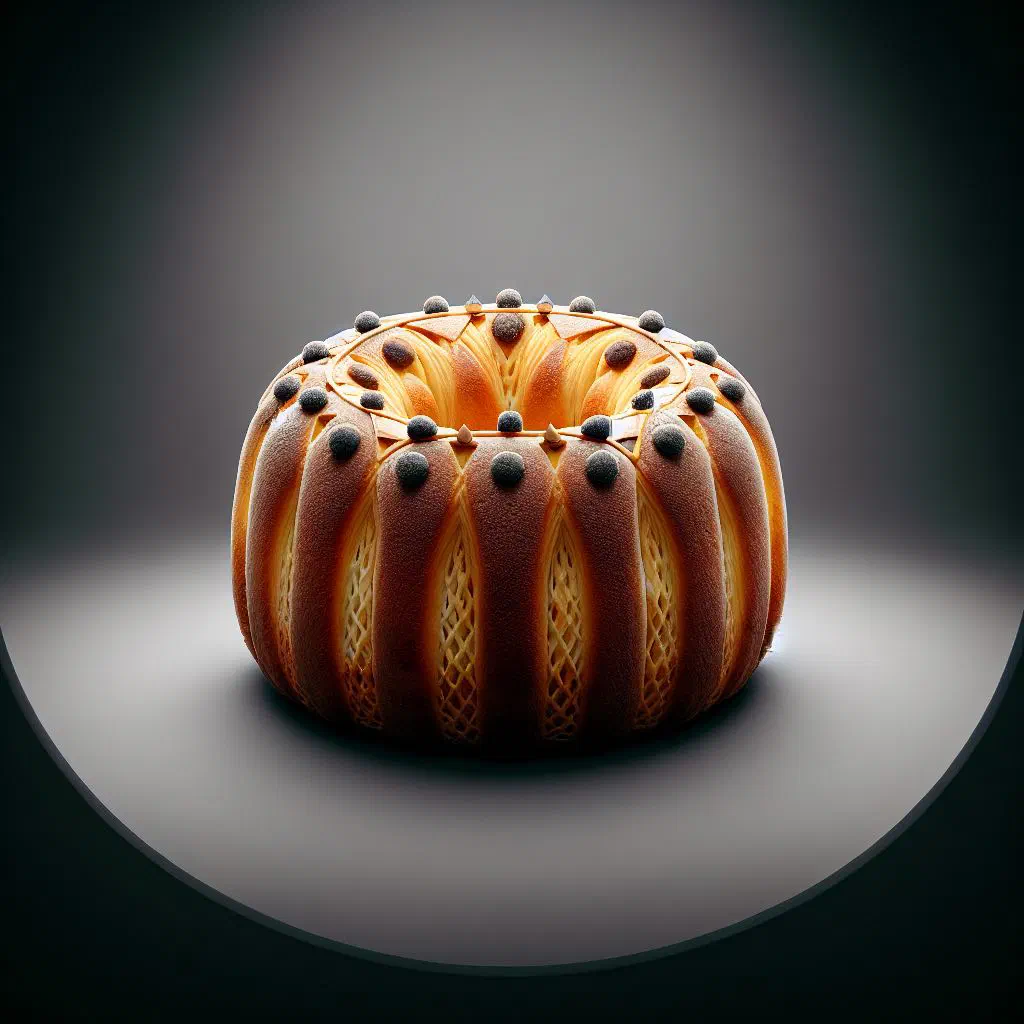
Meet Bolo Rei, the crowning glory of Portugal’s festive table. This ring-shaped king cake glitters with dried fruit, crunchy nuts and a gentle whisper of cinnamon, making it the centrepiece of Christmas and New Year celebrations across the country. Light yet richly flavoured, it carries a touch of old tradition in every slice, including a hidden surprise baked right into the dough. Bring a slice of Portuguese festivity into your own kitchen.
About Bolo Rei
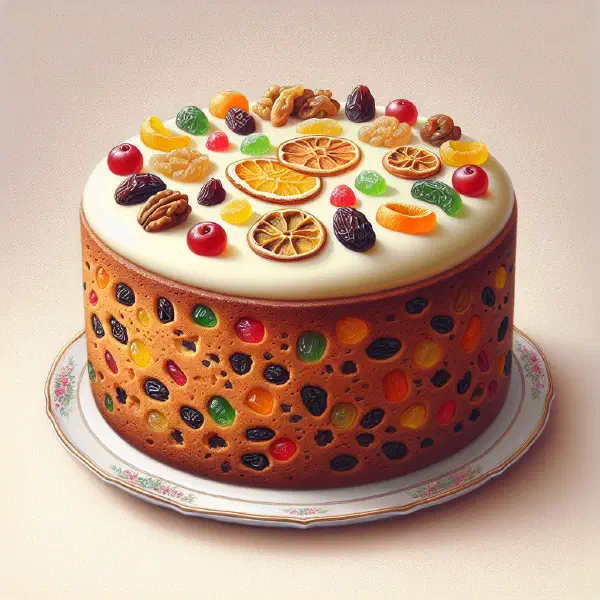
Bolo Rei is a traditional Portuguese cake served above all at Christmas and New Year. Famed for its festive looks and delicious taste, it is a treat for the palate and a symbol of the season’s celebrations. The name “Bolo Rei” translates as king cake, a nod to the Three Kings who, in the Christian tradition, came to honour the birth of Jesus. The cake is generously filled with dried fruit, nuts and a hint of cinnamon, which gives it its unmistakable aroma.
Ingredients (serves 1–2)
- 500 g flour
- 100 g sugar
- 200 ml milk
- 1 sachet dried yeast
- 3 eggs
- 100 g butter, melted
- 1 tsp cinnamon
- 200 g dried fruit (such as apricots, dates, raisins)
- 50 g chopped nuts (such as almonds, walnuts)
- 1 pinch of salt
Shopping for the ingredients
For the best Bolo Rei, use the freshest, highest-quality ingredients you can find. The flour and dried yeast are the foundations of the cake, so check the dates before you buy. The dried fruit should also be of good quality, as it lends the cake so much of its flavour. A well-stocked supermarket or a local market is your best bet for choosing top ingredients.
Preparing the dish
Before you start on the Bolo Rei, gather and measure out all the ingredients. It keeps the baking running smoothly. Warm the milk gently so the yeast can prove well, and leave the dried fruit to soak in warm water for a few minutes. This softens the fruit and helps its flavour come through in the finished cake.
Step-by-step instructions
- Dissolve the dried yeast in the gently warmed milk and leave to rest for about 10 minutes, until it begins to foam.
- In a large bowl, combine the flour, sugar, pinch of salt and cinnamon.
- Add the melted butter and the eggs and mix everything together well.
- Pour the yeast-and-milk mixture into the dry ingredients and knead to a smooth dough.
- Cover the dough and leave it to rest in a warm place for about 1 hour, until it has risen.
- Once risen, knead in the dried fruit and nuts.
- Grease a ring tin, place the dough inside and leave to rest for a further hour.
- Bake in a preheated oven at 180°C for about 30–40 minutes.
- Remove from the oven and leave to cool. Dust with icing sugar to taste.
Gluten-free / lactose-free version
To make the Bolo Rei gluten-free, swap the ordinary flour for a gluten-free flour blend, taking care that the other ingredients are gluten-free too. For a lactose-free version, lactose-free milk along with vegan butter or margarine works beautifully. This lets people with intolerances enjoy this delicious cake just as much as everyone else.
Tips for vegans and vegetarians
For a vegan version of the Bolo Rei, replace the eggs with a chia or flaxseed substitute. Mix one tablespoon of ground flaxseed with three tablespoons of water and leave it to stand for a few minutes until it reaches a gel-like consistency. Instead of butter, use vegan margarine or coconut oil. You can get creative with the dried fruit too, trying different combinations to invent new flavours.
More tips and tricks
To keep the Bolo Rei especially moist, add a splash of rum or orange liqueur to the dough. The cake can also be finished, to taste, with a sweet glaze or a topping of icing sugar and cinnamon. Let your imagination run free by adding special spices or fresh fruit. It makes the flavour profile of your cake all the more interesting. The same festive spirit shines through in Bolo de Mel da Madeira.
Adapting the recipe to your taste
The Bolo Rei is wonderfully easy to tailor to personal taste. If you are not keen on raisins, for example, simply swap them for other dried fruit. Classic alternatives include dates, figs or even fresh berries, depending on the season. Different nuts such as pecans or pistachios can also be used to give the cake a distinctive character.
Ingredient substitutions
If you react to certain ingredients, there are plenty of alternatives for the Bolo Rei. In place of ordinary flour, almond flour or oat flour adds a nuttier note. Instead of sugar, you can use honey or agave syrup for a slightly healthier version of the cake. Remember to adjust the quantities accordingly to get the best results, much as you would when balancing the sweetness of Broinhas de Mel.
Drink pairing ideas
The Bolo Rei pairs perfectly with a range of drinks that complement its flavours. A well-chilled port or a refreshing white wine make ideal companions, especially for festive occasions. For an alcohol-free option, serve a fruity iced tea or a lively lemon-and-mint drink to contrast with the cake’s sweetness. Try different combinations to find your perfect match.
Serving and presentation ideas
Presentation matters with the Bolo Rei, as it underlines the cake’s festive feel. Serve it on an attractive cake stand or a decorative plate. To set off the candied fruit and decorations often used on top, you can add fresh fruit or edible flowers. A dusting of icing sugar or an eye-catching glaze rounds it all off for a festive finish.
A bit of history
The Bolo Rei has its roots in Portuguese culture and is closely tied to the celebrations of the Three Kings. Its origins can be traced back to the 19th century, when the cake first became popular at these feast days. Tradition holds that whoever finds the bean or small figure baked into the dough will be the “king” for the coming year. This custom brings not only suspense but plenty of joy to the festivities. It is one of the great treats of Portuguese cuisine.
More recipe ideas
Summary: Bolo Rei
In short, the Bolo Rei is a highlight of the Portuguese Christmas tradition. With its wealth of flavours and its festive presentation, it draws every eye to the table. Let this recipe inspire you and bring a little piece of Portuguese culture into your own kitchen.