National Dish Portugal: Broa de Milho (Recipe)
In this article
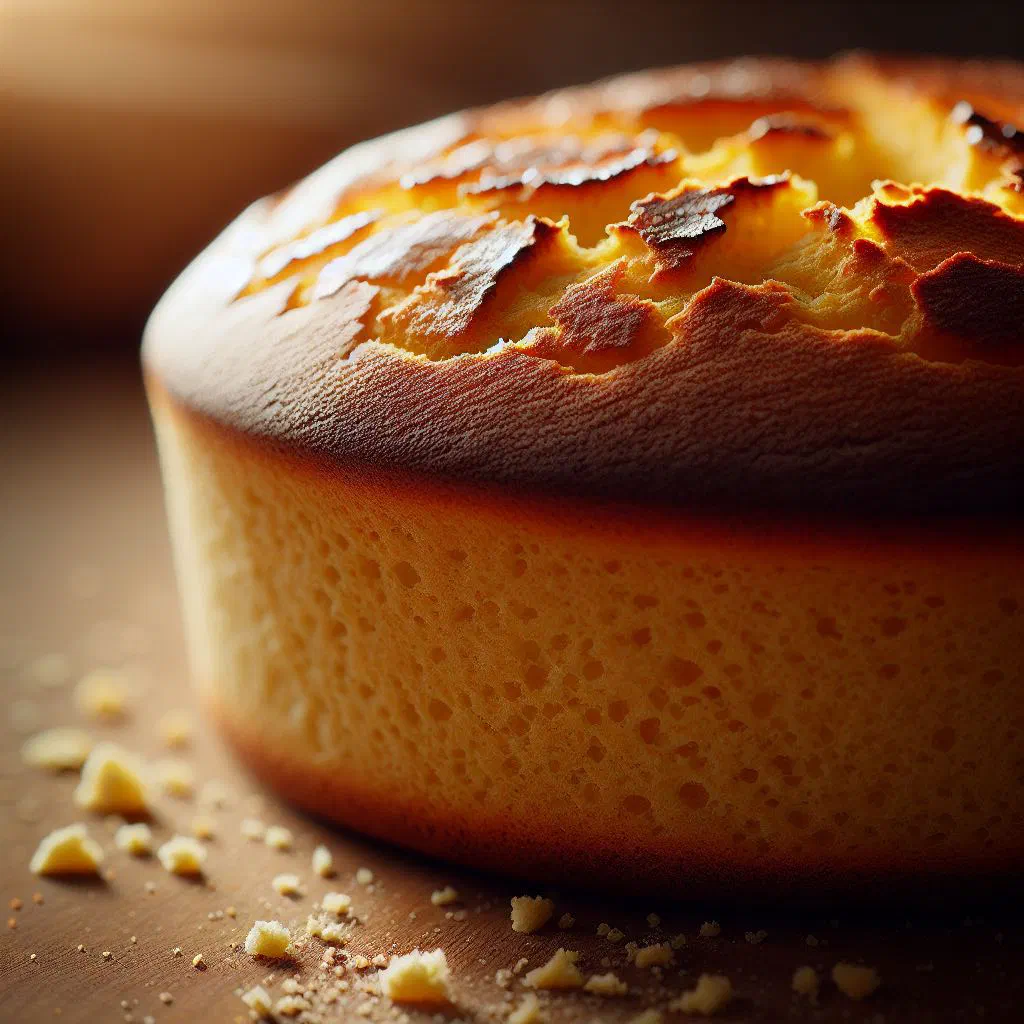
Say hello to Broa de Milho, Portugal’s beloved rustic cornbread. With its golden crust, dense crumb and gently sweet, earthy flavour, this loaf has graced country tables for generations. Born in the farmhouses of the north, it pairs beautifully with hearty soups and stews or simply with a smear of good butter. Easy to make and deeply satisfying, it brings a taste of the Portuguese countryside straight to your kitchen.
About Broa de Milho
Broa de Milho is a traditional Portuguese cornbread that wins people over with both its delicious flavour and its straightforward preparation. The loaf has its origins in rural communities, where it was often served alongside hearty dishes or simply spread with butter. Its golden colour and crisp crust make it a feast for the eyes as much as the palate. It is the use of maize flour that gives the broa its distinctive texture and characteristic taste, setting it apart from everyday wheat loaves.
Ingredients (serves 1–2)
- 250 g maize flour
- 100 g wheat flour
- 1 tsp baking powder
- 1 tsp salt
- 300 ml water
- 2 tbsp olive oil
Shopping for the ingredients
The ingredients for Broa de Milho are easy to find in most supermarkets or delicatessens. Pay particular attention to the quality of the maize flour, as it is decisive for an authentic flavour. The wheat flour can be swapped for a different flour if you prefer an alternative texture. Olive oil is important for taste and helps keep the bread tender, so it is worth choosing a good one.
Preparing the dish
Before you begin making the Broa de Milho, gather and measure out all your ingredients. Good preparation helps you keep track of everything as you work. Make sure you also have the right bakeware to hand, whether a loaf tin or a baking tray, depending on how you wish to bake the loaf. Last but not least, preheat the oven to 200°C so it is ready the moment your dough is mixed.
Step-by-step instructions
- In a large bowl, combine the maize flour, the wheat flour, the baking powder and the salt.
- Slowly add the water and the olive oil, stirring well until you have a smooth, even dough.
- Pour the dough into the prepared baking tin and spread it out evenly.
- Bake in the preheated oven for 30–40 minutes, until the surface is golden brown.
- Once baked, remove the bread from the oven and leave it to cool on a wire rack.
Gluten-free / lactose-free version
The Broa de Milho can easily be made gluten-free by using certified gluten-free maize flour together with other gluten-free flours such as rice flour or a little starch as a binder. The recipe is naturally suited to a lactose-free diet, too, since it contains no dairy whatsoever. Just make sure every product you use is clearly labelled gluten-free to avoid cross-contamination. These small adjustments make the broa even more accessible for a range of dietary needs.
Tips for vegans and vegetarians
The Broa de Milho is naturally vegan and vegetarian, so you can keep every one of the listed ingredients exactly as they are. To add extra nutrition, you might work some seeds such as sunflower or pumpkin seeds into the dough. Experiment with a few herbs or spices to give the loaf your own personal touch and tailor it to the flavours you enjoy most.
More tips and tricks
To make the Broa de Milho especially light, it helps to warm the water gently before adding it to the dough. This activates the ingredients and lets the bread rise more readily in the oven. Take care not to over-bake the loaf, as this can dry it out. A reliable test for doneness: tap the underside of the bread, and if it sounds hollow, it is ready to come out.
Adapting the recipe to your taste
The Broa de Milho is an exceptionally adaptable recipe. Depending on your preference, you can blend different types of flour or fold in extra ingredients such as olives or fresh herbs. For a sweeter loaf, stir a little sugar or honey into the dough. There is plenty of room to make this bread your own.
Ingredient substitutions
If you would rather not use wheat flour, you can replace it with oat flour or almond flour, though you may need to adjust the ratio of liquid to flour accordingly. For a richer variation, swap the olive oil for coconut oil. Substitutions like these can change the flavour and texture of the loaf considerably and are well worth a try, much as a clever swap transforms a hearty plate of Favas à Portuguesa.
Drink pairing ideas
The Broa de Milho is wonderful with a wide variety of drinks. A traditional Portuguese red wine or a crisp Vinho Verde pairs beautifully with the loaf’s savoury, earthy notes. For an alcohol-free option, freshly pressed juices or herbal teas are ideal. You might also enjoy a slice with a glass of cold milk, or a plant-based alternative, for a thoroughly satisfying treat.
Serving and presentation ideas
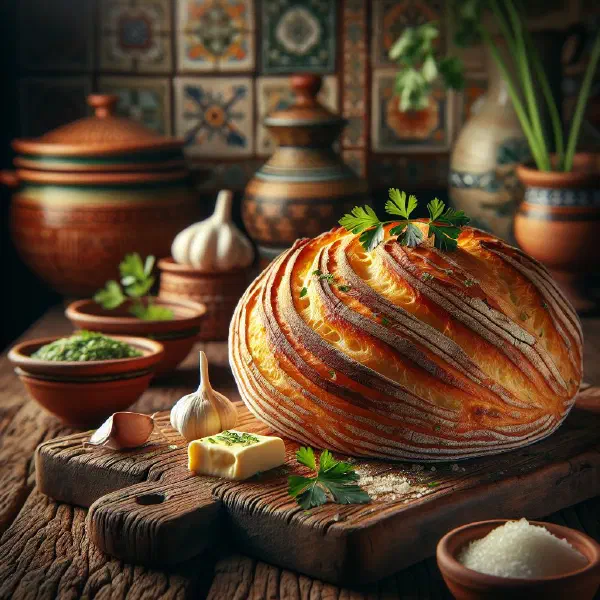
To present the Broa de Milho attractively, arrange it on a handsome wooden board. Add a flourish of fresh herbs or a few slices of tomato to bring a splash of colour to the plate. A little softened butter or a small dish of olive oil for dipping makes the spread even more inviting. Serving it on pretty plates lends the whole table an extra touch of charm.
A bit of history
The Broa de Milho has its roots in rural Portuguese culture. Historically it was prepared as a simple, nourishing meal for labourers working in the fields. It is thought to have originated in the regions of the Alentejo and the Minho, where maize has long been widely cultivated. Today the broa is often served alongside other traditional plates and is a delicious testament to the rich culinary heritage of Portuguese cuisine.
More recipe ideas
Summary: Broa de Milho
In short, the Broa de Milho is a simple, delicious and versatile recipe that lends itself to countless variations. Vegan or simply traditional version, the possibilities are almost endless. The combination of golden-brown bread and hearty accompaniments makes it an ideal choice for any occasion. Give this recipe a go, and let the simplicity and flavour of this time-honoured speciality win you over.