National Dish Portugal: Caracóis Cozidos (Recipe)
In this article
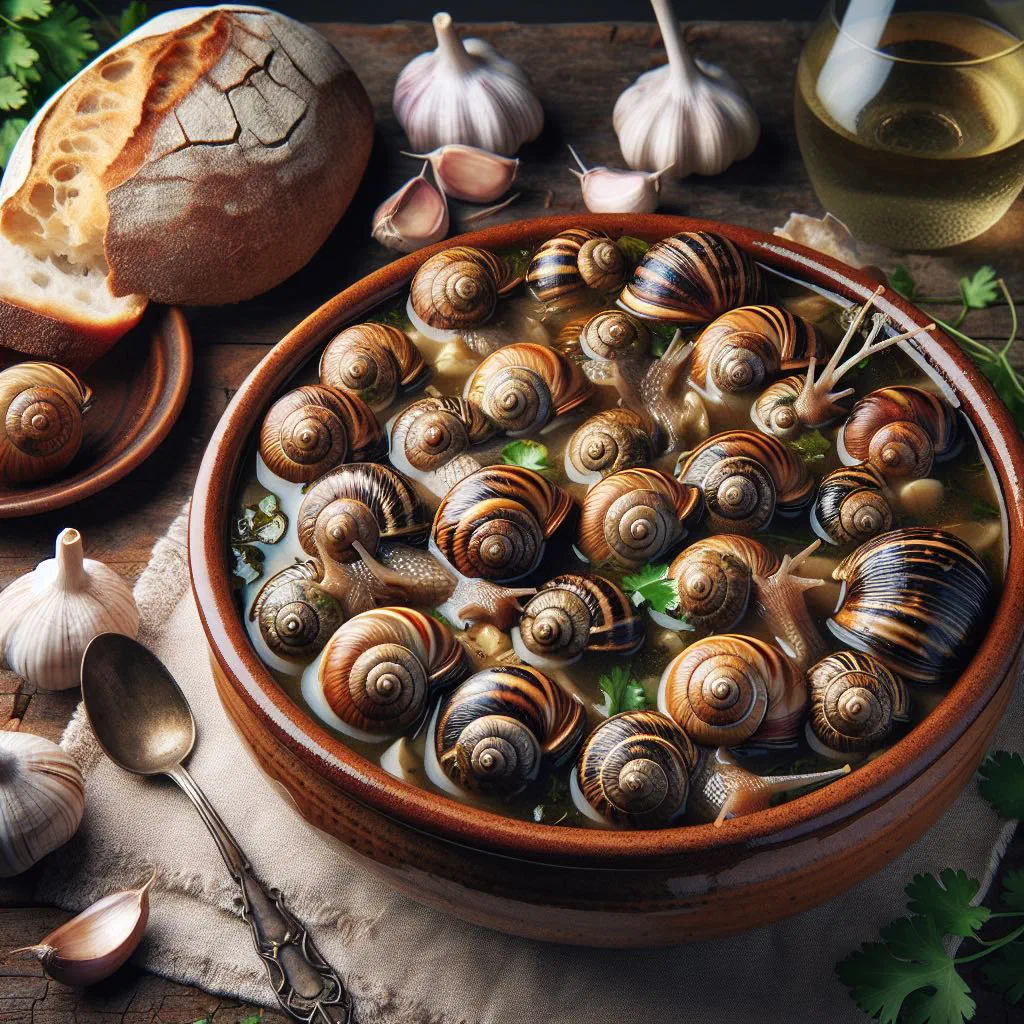
Meet Caracóis Cozidos, the little snails that turn a Portuguese summer evening into a social occasion. Gently simmered in a fragrant broth scented with garlic, olive oil and fresh herbs, they are the kind of dish that begs to be shared over good company and a cold drink. More of a beloved snack than a formal meal, they capture the easy, convivial spirit of Portugal’s food culture. Bring a taste of the Mediterranean straight to your own table.
About Caracóis Cozidos
Caracóis Cozidos are a much-loved snack across Portugal and a lovely window into the country’s culture of good eating. These small snails are simmered in a broth that is fragranced with herbs and spices, with typical additions including garlic, olive oil and the famous Portuguese seasonings. The dish is usually enjoyed in company, which makes it a wonderful excuse to gather friends and family around the table and share.
Ingredients (serves 1–2)
- 250 g fresh snails
- 2–3 cloves of garlic
- 1 bunch fresh parsley
- 1 teaspoon paprika
- Olive oil, to taste
- Salt and pepper, to season
- 1 litre water
Shopping for the ingredients
To make Caracóis Cozidos, you will need fresh snails, which are available from many delicatessens or fishmongers. When you shop, pay attention to the freshness of the snails, as this has a big influence on the flavour of the finished dish. The remaining ingredients such as garlic, parsley and spices are easy to find in any well-stocked supermarket. For the best aroma, reach for fresh herbs wherever you can.
Preparing the dish
Before you begin cooking the Caracóis Cozidos, it is important to clean the snails thoroughly. This ensures a clean, delicious flavour. After buying them, let the snails rest in a damp cloth so they can purge themselves. In the meantime, you can get on with the other ingredients by chopping the garlic and roughly cutting the parsley.
Step-by-step instructions
- Bring 1 litre of water to the boil in a large pan and add a pinch of salt.
- Add the freshly cleaned snails to the boiling water and let them simmer for around 5–7 minutes.
- In a separate pan, heat the olive oil and add the chopped garlic, taking care not to let it burn.
- Add the cooked snails along with the chopped parsley and paprika to the garlic oil and stir everything together well.
- Season to taste with salt and pepper, then serve the Caracóis Cozidos hot.
Gluten-free / lactose-free version
The great thing about Caracóis Cozidos is that they are naturally gluten-free and lactose-free, so they can be enjoyed without worry by anyone with the relevant intolerances. Do make sure, however, that all the spices and any extra ingredients are also free from gluten or lactose. That way the dish stays pure and safe for more sensitive eaters.
Tips for vegans and vegetarians
For vegans and vegetarians there are plenty of appealing alternatives to Caracóis Cozidos. You could, for example, replace the snails with grilled vegetables or mushrooms cooked in the same aromatic broth. These options offer a similar texture and are every bit as rich in flavour. Give your imagination free rein and experiment with different vegetables to create a tasty plant-based version.
More tips and tricks
To make your Caracóis Cozidos even more fragrant, you can add extra herbs such as thyme or oregano. These sit nicely alongside the already savoury ingredients and bring a new dimension to the taste. A squeeze of lemon juice just before serving can also add a fresh lift. Remember to go gently and to keep tasting as you season, so you find just the right balance.
Adapting the recipe to your taste
The beauty of Caracóis Cozidos is that the recipe is easy to adjust to personal preference. Like it hotter? Add chilli or spicier seasonings. Want something milder and sweeter? Reach for fruity tomatoes or peppers. Keep your own preferences in mind and experiment with different combinations to create your perfect dish, much like you would when tweaking a hearty plate of Favas à Portuguesa.
Ingredient substitutions
If you do not have all the ingredients to hand, there are plenty of alternatives you can use. Instead of olive oil, you might try rapeseed oil or sesame oil for a different flavour. For extra savouriness, soy sauce can be an interesting option. Experiment with the ingredients already in your kitchen to discover interesting new flavours.
Drink pairing ideas
Pairing Caracóis Cozidos with the right drinks can lift the whole experience. A well-chilled Vinho Verde is excellent for complementing the flavour of the fresh snails. Alternatively, you could choose a light or fruity beer, which harmonises effortlessly with the dish’s spices. For something non-alcoholic, try fresh sparkling water with lemon or lime for a refreshing accompaniment.
Serving and presentation ideas
The way you present Caracóis Cozidos can make the whole meal more enjoyable. Serve the snails in an attractive bowl garnished with fresh herbs. You might also offer a side of freshly baked bread for mopping up the delicious broth. Take care to arrange everything on a welcoming table with stylish plates and napkins to create an inviting atmosphere.
A bit of history
Caracóis Cozidos have their origins in the Portuguese tradition of using local snails as part of the regional kitchen. The dish is closely tied to rural culture and has grown steadily more popular over the past few centuries. Many Portuguese cooks have their own version, which depends on the region and the ingredients available. This dish stands for Portugal’s essential gastronomy and for the community and culture that runs through Portuguese cuisine.
More recipe ideas
Summary: Caracóis Cozidos
Caracóis Cozidos are a delicious, traditional dish that brings together the best of Portuguese cooking. The preparation is fairly simple and offers plenty of scope for adapting to personal taste. Let the culture and delicious essence of Portugal inspire you by bringing this dish to your own table.