National Dish Portugal: Chanfana (Recipe)
In this article
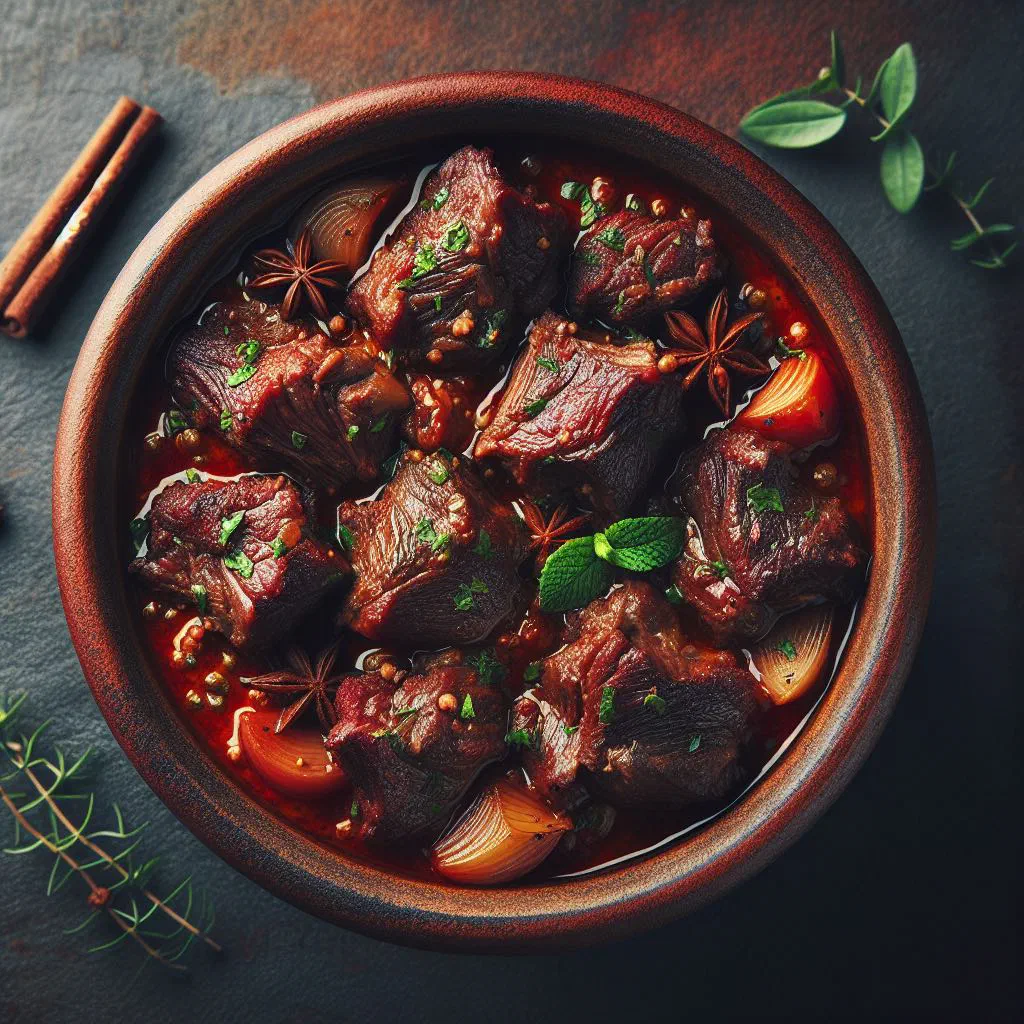
Meet Chanfana, a rustic treasure from Portugal’s mountainous Beira region. Tender goat or lamb is slowly braised in a heady bath of red wine, garlic and warming spices until it falls apart at the touch of a fork. With roots stretching back to the Middle Ages and a place of honour at festivals and family gatherings, this is hearty, soul-warming comfort food at its very best. Bring a taste of authentic Portuguese tradition to your own table.
About Chanfana
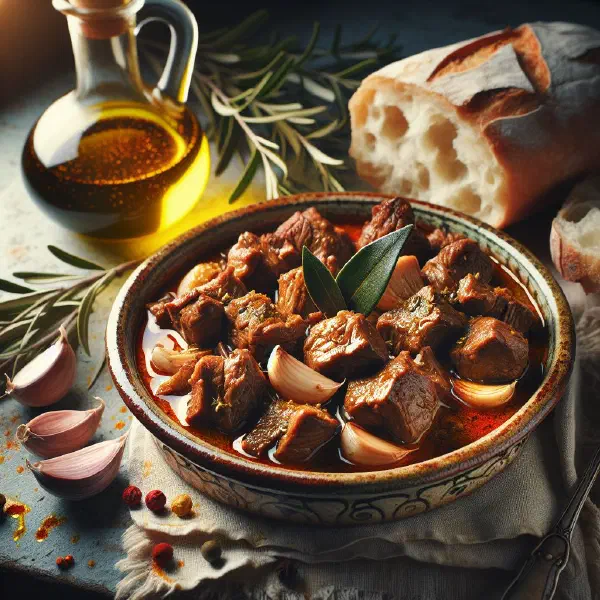
Chanfana is a traditional Portuguese dish that is especially well known across the Beira region. It is typically made with goat or lamb that has been steeped in an aromatic marinade of red wine, garlic and a handful of spices. The dish offers more than a singular flavour; it carries a long history reaching all the way back to the Middle Ages. Chanfana is often served for special occasions and celebrations, which only adds to its standing as a genuine delicacy.
Ingredients (serves 1–2)
- 500 g lamb or goat meat
- 250 ml red wine
- 4 cloves garlic
- 2 onions
- 1 bay leaf
- 1 teaspoon paprika
- Olive oil
- Salt and pepper, to taste
- Fresh parsley, to garnish
Shopping for the ingredients
For Chanfana it is important to choose fresh, good-quality meat. Local butchers often stock the best cuts and can offer helpful advice on preparation if you ask. Take the same care with the remaining ingredients, particularly the red wine and the spices, and reach for quality wherever you can. Fresh herbs such as parsley round out the dish beautifully and make it all the more appealing on the plate.
Preparing the dish
To draw the most flavour out of Chanfana, careful preparation is essential. The meat should first be cut into pieces and then marinated in a mixture of red wine, chopped garlic and spices. This marinade needs a few hours to work its magic, ideally overnight, so the flavours can fully soak in. The longer the meat marinates, the deeper and more intense the final taste will be.
Step-by-step instructions
- Lift the marinated meat out of the marinade and let it drain well.
- Heat a little olive oil in a large pot and sauté the diced onions until softened.
- Add the meat and brown it all over until golden.
- Pour in the marinade, add the bay leaf and bring to the boil.
- Reduce the heat and let the dish simmer gently for about 1.5 to 2 hours, until the meat is meltingly tender.
- Season to taste with salt and pepper and garnish with fresh parsley.
Gluten-free / lactose-free version
Chanfana is naturally gluten-free and, in its traditional form, contains no lactose at all. The focus rests on meat, spices and wine, which makes it an excellent choice for anyone with a gluten or lactose intolerance. To be sure every component is gluten-free, simply check the red wine and any stock you use. With that small precaution, the dish slots effortlessly into a gluten-free or lactose-free diet.
Tips for vegans and vegetarians
Chanfana can also be reworked so that vegans and vegetarians don’t miss out. In place of meat, a hearty combination of vegetables such as aubergine, courgette and chickpeas brings the same satisfying body to the pot. These can be marinated and cooked in just the same way to echo the dish’s signature aromas. Choose a good vegan stock and well-judged spices to keep the finished version every bit as delicious.
More tips and tricks
One key tip when making Chanfana is to cook it in a heavy casserole or braising pot. This spreads the heat evenly and helps keep the meat especially tender. If you fancy a livelier kick, add a little chilli or other fiery spices to the marinade. Serving the dish with a few pieces of fresh bread is another lovely touch, perfect for mopping up the rich sauce.
Adapting the recipe to your taste
The recipe is easy to tailor to personal preference. If you favour a different kind of meat, beef or pork both take to the marinade just as well. The spices, too, can be varied to suit your palate. Experiment with different herbs and aromatics to create your own personal version of Chanfana, much like the closely related Chanfana de Cabra, made specifically with goat.
Ingredient substitutions
In Chanfana, certain ingredients, the meat and the red wine in particular, are central to the dish. Even so, there is plenty of room to play. White wine, or even grape juice for a sweeter note, can stand in for the red. When it comes to the meat, a range of cuts will work, and each brings its own character to the pot, in the same hearty spirit as a Carne Estufada.
Drink pairing ideas
A full-bodied red wine is a natural partner for a robust dish like Chanfana. A well-chilled glass of rosé or even a light shandy can harmonise wonderfully too. If you prefer something alcohol-free, a sparkling mineral water with a squeeze of lemon does the job nicely. Drinks like these round off both the flavours and the meal to perfection.
Serving and presentation ideas
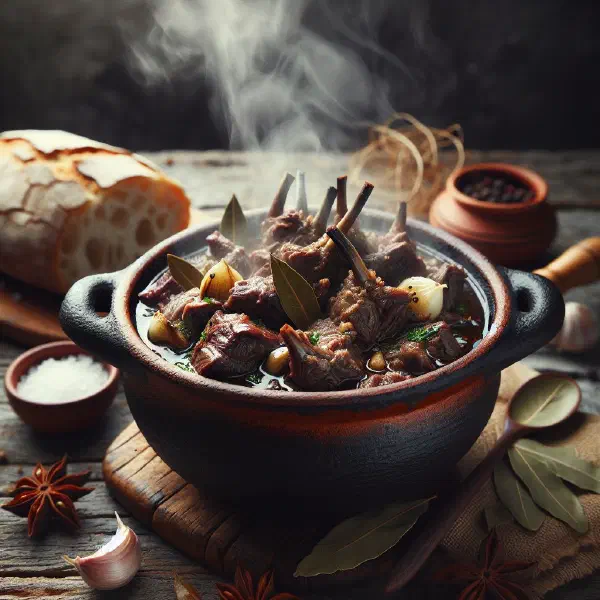
Presentation can lift the whole Chanfana experience. Serve the dish straight from a rustic earthenware pot to create an authentic atmosphere. Scatter fresh herbs over the top and add a few pieces of bread on the side. A simple garnish of lemon slices brightens the colours of the dish while bringing a touch of fresh zing to every bite.
A bit of history
Chanfana has its roots deep in Portuguese culture and is closely tied to celebrations and special occasions. Historically it grew out of the need to make humbler cuts of meat taste wonderful, gaining its distinctive character over the years through a generous hand with spices. It became established as a comfort dish, often prepared in the colder months to warm both body and soul. To cook and share Chanfana is therefore not only a culinary act but a cultural one, woven into the wider tapestry of Portuguese cuisine.
More recipe ideas
Summary: Chanfana
In short, Chanfana is far more than a simple stew; it is a true enrichment of Portuguese cooking, bringing tradition and flavour together in one pot. With its hearty preparation and well-chosen spices, it is a must-try for any food lover. Chanfana is sure to please, and to draw you right into the gastronomic culture of Portugal.