National Dish Portugal: Doce de Marmelo (Recipe)
In this article
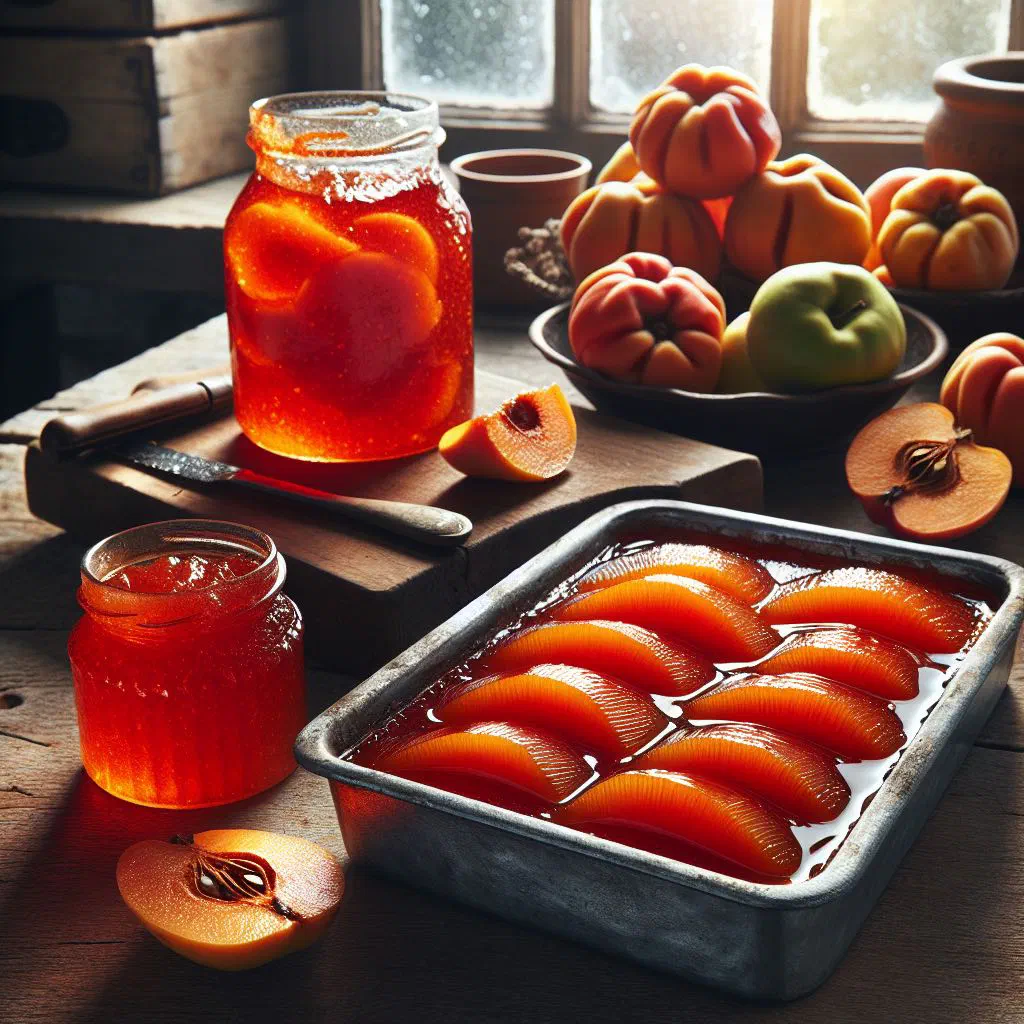
Discover Doce de Marmelo, Portugal’s beloved quince preserve. This deep amber treat balances honeyed sweetness with a gentle tang, all wrapped up in a wonderfully velvety texture. Steeped in tradition and brought out for festive occasions across the country, it carries the warmth of the Mediterranean sun in every spoonful. Spread it on fresh bread or fold it into desserts, and bring a little piece of Portugal to your table.
About Doce de Marmelo
Doce de Marmelo is a traditional Portuguese preserve made from ripe quince. This lovely national speciality wins people over with its sweet, slightly tart flavour and with its silky, velvety texture. In Portugal it is woven into the fabric of everyday life and often appears during festivals and special celebrations. One taste and you are quickly charmed by the depth of aromas, which reflect the sunshine and mild Mediterranean climate of the region.
Ingredients (serves 1–2)
- 500 g quince
- 300 g sugar
- Juice of 1 lemon
- 1 vanilla pod
- 1/2 teaspoon cinnamon (optional)
Shopping for the ingredients
To make doce de marmelo, it is important to choose fresh, ripe quince. Look in the supermarket or at a market for fruit with an even yellow colour and no bruising or soft spots. Use a good-quality sugar to get the very best flavour. Don’t forget to pick up a vanilla pod and fresh lemons as well, as these ingredients add a fine, fragrant note to the finished preserve.
Preparing the dish
Before you start cooking doce de marmelo, it is well worth washing and peeling the quince thoroughly. Cut the fruit into small pieces and remove the cores. Then combine the quince pieces in a large pan with the sugar, lemon juice and the scraped-out seeds of the vanilla pod. Leave this mixture to rest for a few hours so the sugar can draw out the juices and the quince begins to soften.
Step-by-step instructions
- Place the prepared quince in a large pan with the sugar, lemon juice and vanilla.
- Bring the mixture to the boil over medium heat, stirring now and then to stop it catching.
- After about 30–40 minutes, lower the heat and let it simmer gently until the quince is soft and the mixture has thickened to a syrupy consistency.
- Stir in the cinnamon, then spoon the preserve into sterilised jars and seal them well.
Gluten-free / lactose-free version
Doce de Marmelo is naturally gluten-free and lactose-free. The ingredients are all plant-based and contain nothing that includes gluten, which makes the preserve ideal for anyone with a gluten intolerance or lactose intolerance. You can enjoy it without a second thought, as it fits perfectly into both a gluten-free and a lactose-free diet.
Tips for vegans and vegetarians
Because doce de marmelo contains no animal products, it is a wonderful choice for vegans and vegetarians alike. Try to use organically grown, unwaxed fruit to be kinder to the environment. The recipe also lends itself to easy variation, swap in raw cane sugar instead of refined sugar, for example. That way you not only get a delicious treat but a more wholesome version in the jar too.
More tips and tricks
One key tip when making doce de marmelo is to let the quince macerate for a good while before bringing it to the boil. This deepens the flavour and improves the setting power of the preserve. Be sure to sterilise your jars thoroughly to extend its shelf life. You can also experiment by adding spices such as cloves or ginger to give the preserve a personal touch.
Adapting the recipe to your taste
Doce de Marmelo leaves plenty of room for individual tweaks. You can cut back on the sugar if you prefer it less sweet, for instance. Instead of lemon you might use lime juice to lend the preserve a fresher edge. Feel free to experiment with other fruits or even nuts alongside the quince to create unique flavour combinations of your own.
Ingredient substitutions
If you can’t find quince, apples or pears make a good stand-in. These fruits have a similar texture and aroma, though the flavour will shift a little. The same gentle fruitiness shines in a Bolo de Mel da Madeira. Alternatively, you can use honey in place of sugar for a different kind of sweetness. Just add it a little later in the cooking so its flavour isn’t lost.
Drink pairing ideas
Doce de Marmelo goes beautifully with a range of drinks. Try a freshly brewed tea, such as chamomile or Earl Grey, to complement the preserve’s sweetness. If you prefer something more refreshing, a glass of cold-pressed apple or grape juice makes a lovely partner. A light white wine can also suit the aromas of doce de marmelo nicely, especially over a relaxed dinner with friends, much as you might serve a Pudim de Ovos to round things off.
Serving and presentation ideas
The way you present doce de marmelo can pleasure your guests from the very first glance. Serve it in a pretty open jar with a decorative spoon, perhaps set on a wooden board alongside fresh bread or crackers. A few small fruits and a sprig of mint beside it make the arrangement more inviting. A thoughtful table setting and good company complete the experience.
A bit of history
The roots of doce de marmelo reach far back and reflect the long tradition of Portuguese cuisine. The quince is thought to have been known in ancient Greece before it found its way to Portugal, where the fruit quickly became popular and has been a fixture of regional cooking ever since. Today doce de marmelo has earned a place not only in Portugal but in international kitchens too, and is enjoyed around the world, a fine example of Portuguese cuisine and its sweet traditions.
More recipe ideas
Summary: Doce de Marmelo
In short, doce de marmelo is a delicious and versatile preserve that pleases the palate while carrying real cultural value. Whether spread on bread, used to enrich desserts, or simply enjoyed over a sociable evening, doce de marmelo brings a piece of Portugal to your table. Thanks to its natural ingredients it is wonderfully simple to make and easy to adapt to your own preferences. Let this fragrant treat tempt you and discover all the possibilities this traditional speciality has to offer.