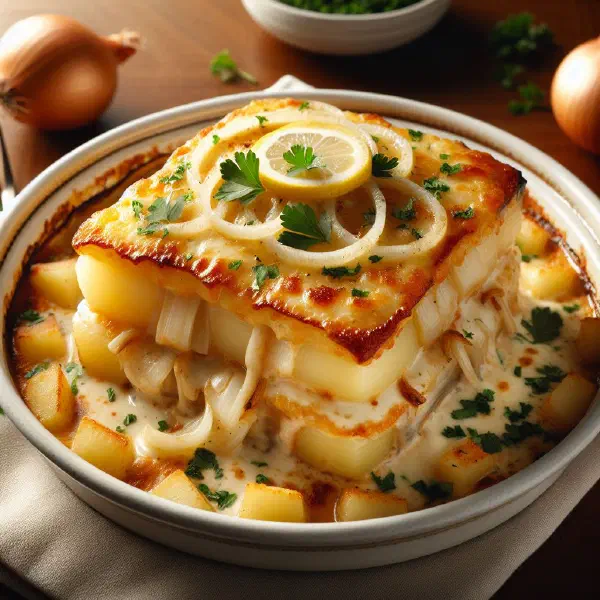
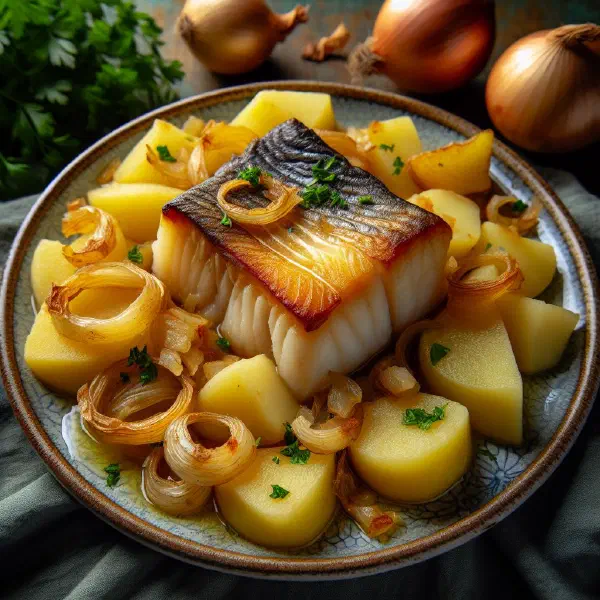
National Dish Portugal: Feijão Tropeiro (Recipe)

In this article
Say hello to Feijão Tropeiro, a hearty bean dish that brings the warmth of Portugal’s country kitchens straight to your table. Tender beans are tossed with golden onions, garlic, savoury ham and scrambled egg, then finished with a flourish of fresh herbs. It is rustic, generous food that suits a relaxed family supper just as well as a lively gathering of friends. Filling, full of flavour and wonderfully easy to make your own, it is comfort cooking at its best.
About Feijão Tropeiro
Feijão Tropeiro is a traditional Portuguese dish known for its rich flavours and varied ingredients. At its heart are beans, combined with plenty of savoury additions such as onions, garlic, ham and eggs. The dish has its roots in Portugal’s rural cooking and is prized for its heartiness. It is often served as a main course or a side, and it is a natural fit for sociable, shared occasions.
Ingredients (serves 1–2)
- 200 g black beans or red beans
- 150 g diced ham
- 2 eggs
- 1 large onion
- 2 cloves of garlic
- 2 tablespoons olive oil
- Salt and pepper, to taste
- 1 bunch of fresh coriander or parsley
Shopping for the ingredients
When shopping for the ingredients for feijão tropeiro, it is important to choose fresh produce. The beans in particular should be of good quality, as they form the very foundation of the dish. In some supermarkets and at local markets you will also find speciality Portuguese ingredients that make the dish even more authentic. Remember to reach for fresh herbs too, as they intensify the aroma of the finished plate.
Preparing the dish
Before you start cooking feijão tropeiro, wash the beans thoroughly and soak them overnight. This shortens the cooking time and improves the texture of the beans. Prepare all the other ingredients too: cut the ham into small cubes, chop the onion and crush the garlic. That way everything is to hand once you begin to cook.
Step-by-step instructions
- Bring the soaked beans to the boil in a pan with plenty of water and cook for about 20–30 minutes, until soft.
- Heat the olive oil in a frying pan and sauté the onions and garlic until golden brown.
- Add the diced ham and fry for a few minutes, until lightly crisp.
- Drain the cooked beans, add them to the ham and onion mixture in the pan, and combine well.
- Beat the eggs in a separate bowl, pour them into the pan and stir until just set.
- Season with salt, pepper and freshly chopped coriander or parsley, then serve.
Gluten-free / lactose-free version
Feijão tropeiro is naturally gluten-free and lactose-free, as long as you choose a gluten-free variety of ham. These qualities make the dish an ideal choice for anyone with intolerances. If you would rather avoid dairy products altogether, reach for plant-based alternatives. You can also use an alternative binding agent in place of the eggs to keep the texture intact.
Tips for vegans and vegetarians
For a vegan version of feijão tropeiro, swap the ham for fried tofu cubes and replace the eggs with a mixture of chickpea flour and water. This combination delivers a similarly hearty depth of flavour. You can add even more vegetables, such as peppers or mushrooms, to boost the nutritional value. This makes the dish appealing to vegans and lends it extra layers of flavour.
More tips and tricks
One excellent way to make feijão tropeiro even tastier is to serve it in a hot cast-iron pan. That keeps the dish warm right through the meal. Experiment with different spices, too, to bring extra depth and variety to the flavour, a pinch of smoked paprika, for instance, can lift the dish to a new level. And take care not to over-mash the beans, so you keep that pleasant, rustic texture.
Adapting the recipe to your taste
Adapting feijão tropeiro to your personal taste is easy. If you like it hotter, add diced jalapeños or chilli for an extra kick. You can also refine the dish with different herbs, depending on your taste and the season. On top of that, you can swap the beans for other varieties, pinto beans or white beans, for example, depending on what is available. The same rustic, country-kitchen spirit runs through dishes like Favas à Portuguesa.
Ingredient substitutions
If you cannot find certain ingredients for feijão tropeiro, get creative with alternatives. Instead of ham, you can use smoked tofu to capture that smoky flavour. Leek or spring onion can be an exciting option in place of the onion. You can vary the beans too, choosing a different variety to enjoy different flavours and textures and to give the dish a personal touch.
Drink pairing ideas
Refreshing drinks pair beautifully with feijão tropeiro. Think a fruity white wine or a light red. Portuguese wines are especially worth seeking out to underline the national flavours of the dish. Alternatively, a homemade lemonade or a cold beer rounds out the meal nicely. Be sure to serve your drinks well chilled to make the most of the experience.
Serving and presentation ideas
To serve feijão tropeiro attractively, use rustic plates or bowls that reflect the country heritage of the dish. Garnish with fresh herbs and a squeeze of lemon juice to make it look colourful and inviting. A creative arrangement on the plate, perhaps with a little colourful vegetable alongside, can round off the overall picture. Consider serving the dish warm and fresh from the pan to give your guests a special experience.
A bit of history
The story of feijão tropeiro is a rich one, carrying the influences of the many cultures that have shaped Portugal. Originally prepared by rural workers, the dish was meant to be nourishing and simple to cook. Over the years it has grown into a much-loved meal in countless households and is now made in a great many variations. The dish tells the story of Portuguese cuisine and its deep roots in country life.
More recipe ideas
Summary: Feijão Tropeiro
In short, feijão tropeiro is a tasty, nourishing dish that captures the flavours of Portugal. It is simple to prepare and can be adapted to all sorts of preferences. The combination of beans, ham, eggs and spices makes for an uniquely satisfying eating experience. Give this traditional Portuguese dish a try yourself and discover the culinary treasures this cuisine has to offer.