National Dish Portugal: Fig Jam (Recipe)
In this article
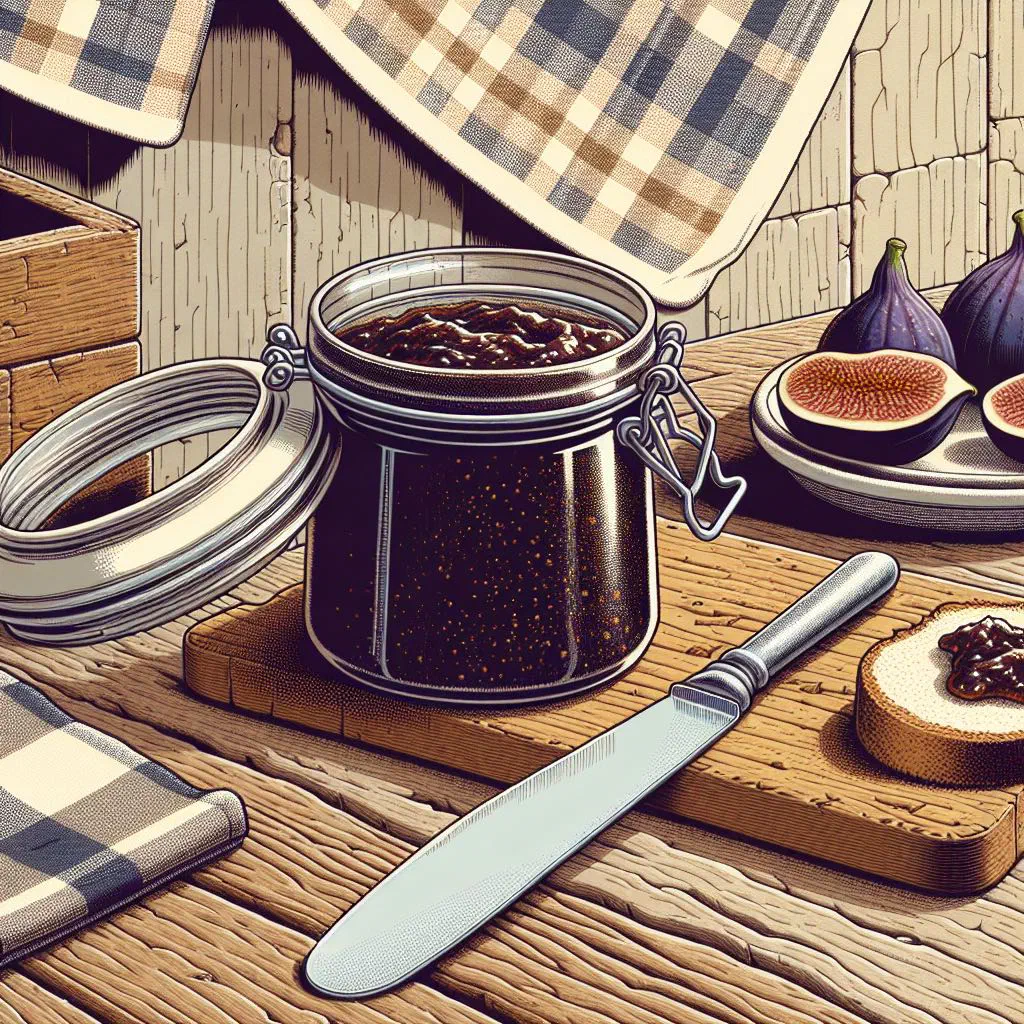
Meet Fig Jam, the sweet, fruity preserve known across Portugal as Doce de Figo. Made from ripe figs slowly simmered with sugar, a squeeze of lemon and a whisper of cinnamon, it captures the sun-warmed flavours of the Alentejo in a single spoonful. Spread it thickly on warm bread, spoon it over a cheese board, or serve it alongside salty nuts. This is the kind of homemade treat that quietly steals the show. Bring a taste of the Portuguese countryside straight to your own kitchen.
About Fig Jam
Doce de Figo is a traditional Portuguese fig jam prized for its rich, sweet and fruity flavour. It is often made in the Alentejo region of Portugal, where figs grow in abundance and reach an exceptional quality. The marriage of ripe figs and careful, slow cooking yields an uniquely moreish taste that is hard to resist. Doce de Figo is frequently served as a companion to tangy cheese or crunchy nuts, which complement its aromas beautifully and make it a much-loved part of Portuguese cuisine.
Ingredients (serves 1–2)
- 300 g fresh figs
- 150 g sugar
- Juice of half a lemon
- 1 teaspoon cinnamon
- Optional: chopped nuts, to decorate
Shopping for the ingredients
To find the best ingredients for your fig jam, pay close attention to the quality of the figs. Fresh, ripe figs are the key to a truly delicious preserve. Visit local markets or organic shops to track down seasonal, regional produce. The sugar should be of good quality too, so that it sweetens the jam without masking the natural flavour of the fruit.
Preparing the dish
Preparing Doce de Figo is simple and easy to manage. Begin by washing the figs and removing the stalks. Depending on your preference, you can use the figs whole or cut them into smaller pieces, the latter shortens the cooking time and makes the simmering easier. Make sure all your ingredients are laid out and ready, as the cooking process can move along quickly.
Step-by-step instructions
- Place the washed figs together with the sugar in a saucepan.
- Add the lemon juice and the cinnamon, then mix everything together well.
- Bring the mixture to the boil over medium heat, stirring regularly.
- Reduce the heat and let the figs simmer gently for about 30 minutes, until a thick consistency is reached.
- Spoon the jam into a sterilised jar and leave it to cool.
Gluten-free / lactose-free version
Doce de Figo is naturally gluten-free and lactose-free, as it consists only of fruit, sugar and spices. That makes it a perfect option for anyone with those intolerances. If you are looking for an alternative that still delivers on flavour, you can use a good-quality fruit sweetener in place of sugar to lower the sugar content while keeping the wonderful aroma of the figs intact.
Tips for vegans and vegetarians
Fig jam is an excellent choice for vegans, since every ingredient is plant-based. When buying sugar, check that it has not been processed using animal products, as can sometimes be the case with refined sugar. If you want to make the preserve even healthier, simply reduce the amount of sugar and let the figs unfold their own natural sweetness. This wholesome version works beautifully as a spread or as a partner to plant-based cheeses.
More tips and tricks
To deepen the flavour of your fig jam, experiment with different spices such as cardamom or ginger. These can be added during cooking to bring an extra layer of taste. Take care not to leave the jam unattended while it cooks, as it can catch and burn quickly. A handy tool here is a sugar thermometer, which lets you keep an eye on the temperature of the preserve as it thickens.
Adapting the recipe to your taste
Depending on your own palate, Doce de Figo can be tailored entirely to your liking. Play with the amount of cinnamon, or add other fruits to create interesting flavour combinations. A blend of figs, apples and pears can be wonderful, much like the fruity sweetness you find in Bolo de Mel da Madeira. You might also try finishing the jam with herbs such as thyme to add an unexpected yet pleasant accent.
Ingredient substitutions
If fresh figs are not available, you can use dried figs instead. These should be soaked before cooking, however, to preserve the consistency of the jam. Anyone wishing to try a sugar-free version can swap the sugar for agave syrup or honey. These alternatives lend the preserve a natural sweetness and can introduce intriguing aromas at the same time.
Drink pairing ideas
Doce de Figo pairs splendidly with a range of drinks. A fresh fruit juice or a soothing herbal tea make perfect partners that complement the sweetness of the preserve. For something more indulgent, reach for Portuguese wines, a fruity white or a light red supports the flavours of the jam wonderfully, while a glass of mulled Vinho Quente com Especiarias makes a cosy match in cooler months. Sparkling water with a slice of lemon is another refreshing accompaniment to this sweet treat.
Serving and presentation ideas
Presentation can lift the enjoyment of Doce de Figo considerably. Serve the jam in a pretty jar or on a charcuterie board, alongside an assortment of cheeses and nuts. A few fresh flowers or sprigs of mint can dress the dish up visually. Create a setting that honours the food, and savour the flavours that Portugal has to offer.
A bit of history
The tradition of Doce de Figo reaches far back into Portuguese history. Figs have been a staple of the Mediterranean region for centuries and were often used in the preserving of food. Cooking down fruit with sugar is an age-old method of making the harvest last through the winter. In Portugal, Doce de Figo is a delicacy and a symbol of the country’s rich culinary culture and heritage.
More recipe ideas
Summary: Fig Jam
Doce de Figo is a harmonious combination of figs, sugar and spices that embodies the culinary heritage of Portugal. This preserve is wonderfully versatile and easy to make and surprisingly wholesome. Whether spread on bread or served with cheese, fig jam is sure to become the highlight of your next meal. Let this lovely recipe inspire you and experience the flavours that make Portugal so unique.