National Dish Portugal: Groselha (Recipe)
In this article
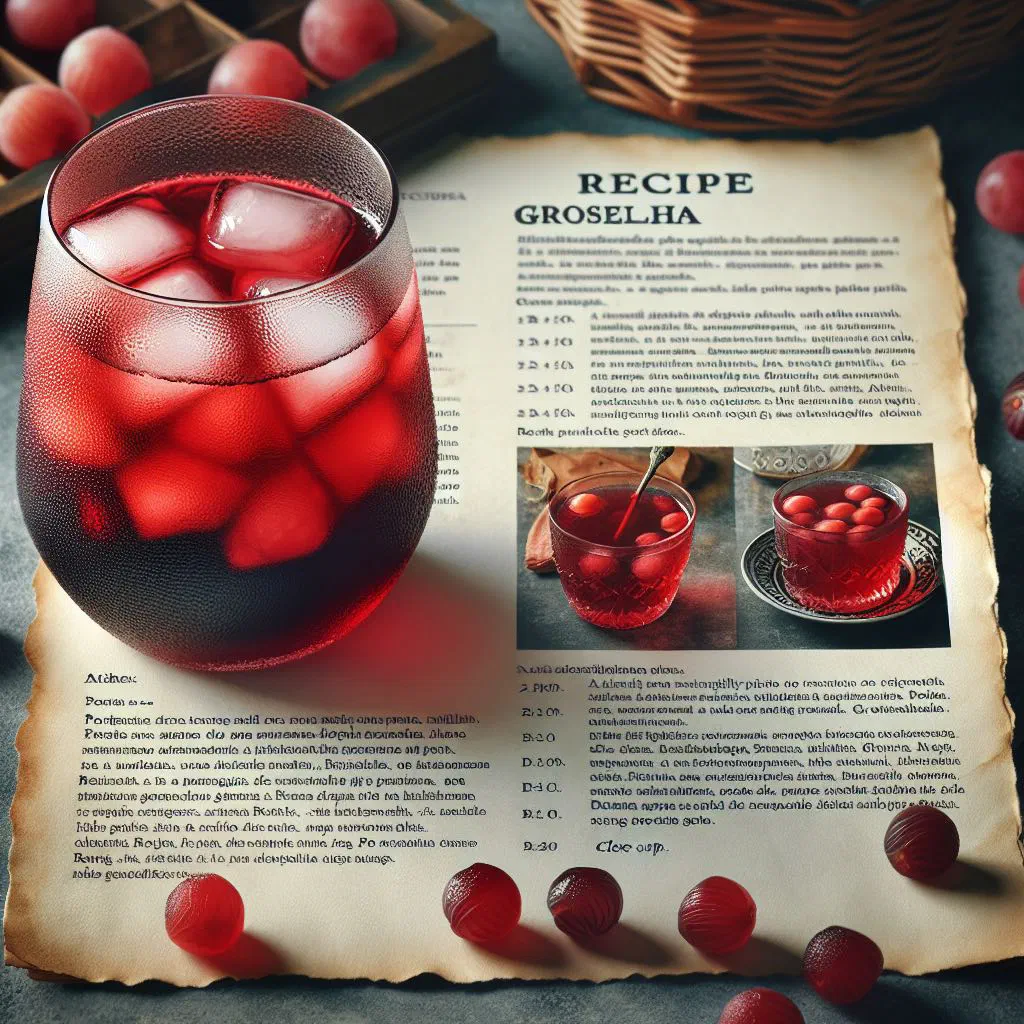
Say hello to Groselha, a sweet little taste of the Portuguese countryside. This rustic fruit dessert turns ripe currants into a glossy, spoonable compote, brightened with a squeeze of lemon and just enough sugar to let the fruit shine. It is the kind of homely treat that has been made in Portuguese kitchens for generations, simple, fresh and quietly elegant. Bring a jar of summer to your own table with this easy classic.
About Groselha
Groselha is a traditional Portuguese dish that wins people over with its unmistakable flavour and its wonderfully straightforward preparation. At its heart is a generous handful of fresh fruit simmered down with sugar and a touch of citrus until soft and fragrant. It is a comforting dish, often served in home kitchens across Portugal, where the combination of ripe ingredients and gentle sweetness makes it a real treat. Groselha is always a hit at the table.
Ingredients (serves 1–2)
- 200 g fresh ripe currants
- 100 ml water
- 50 g sugar or honey
- Juice of 1 lemon
- 1 pinch of salt
These quantities can be adjusted to taste or to whatever you have available. The fresh fruit can be different varieties such as cherries or redcurrants, which form the base of the Groselha. Try to choose the freshest, ripest fruit you can find, as this has a big influence on the flavour of the finished dish. The sugar or honey can also be increased or reduced to control the sweetness.
Shopping for the ingredients
When shopping for Groselha, it is worth seeking out high-quality, fresh produce. A local farmers’ market or a greengrocer that sells fresh fruit is the ideal place to start. The quality of the fruit has a decisive effect on the final result and the overall taste of the dish. Where possible, choose organically grown fruit to enjoy more natural aromas and fewer pesticides, a principle that also pays off in a fruit-forward classic like Bolo de Mel da Madeira.
Preparing the dish
Preparing Groselha is simple and takes only a few steps to achieve a delicious result. Begin by washing the fruit thoroughly and, where needed, removing any stalks or stones. Next, chop the fruit into smaller pieces to speed up the cooking and help the aromas develop more fully. Have all the other ingredients ready to hand as well, so the whole process runs smoothly from start to finish.
Step-by-step instructions
- Place the washed and prepared fruit into a saucepan.
- Add the water, sugar or honey and the lemon juice.
- Bring to the boil over medium heat, stirring regularly.
- Let the mixture simmer for 15–20 minutes, until the fruit is soft.
- Mash the fruit with a fork to reach a smooth consistency.
- Season with a pinch of salt and cook for a further 5 minutes.
- Remove from the heat and allow to cool before serving.
This method gives you an easy, step-by-step way to make Groselha that anyone can follow. Take care not to let the heat run too high, to avoid catching the fruit on the base of the pan. Mashing the fruit creates a creamy texture that brings the flavours together in harmony. Once cooked, let the dish cool thoroughly to bring out its very best taste.
Gluten-free / lactose-free version
Groselha is naturally gluten-free and lactose-free, as it contains no ingredients that call for either. For anyone with intolerances, that makes it an ideal choice. Just take care that no additives or preservatives sneak in when you buy your ingredients. This keeps the dish wholesome and easy on the digestion for everyone at the table.
Tips for vegans and vegetarians
For vegans, Groselha is a brilliant option, since it contains no animal products at all. Using a plant-based sweetener such as agave syrup or coconut sugar can be a delicious and wholesome choice. Vegetarians can stick with the traditional recipe, simply making sure every ingredient is fully plant-based. It is also well worth adding aromatic spices or herbs to create extra layers of flavour.
More tips and tricks
A few tips and tricks can help you refine the dish even further. Experiment with different types of fruit to achieve a range of flavours. Adding spices such as cinnamon or vanilla can give the dish a special touch. Above all, aim for the right balance between sweetness and acidity, so you end up with a harmonious tasting experience.
Adapting the recipe to your taste
Groselha is a very flexible dish that is easy to tailor to personal preferences. You can vary the amount of sweetener to make it more or less sweet. Different sources of acidity, such as orange or lime juice, can also be used to personalise the flavour. Creative touches like a little mint or basil can give the traditional recipe a fresh new twist.
Ingredient substitutions
If some ingredients for Groselha are not available, there are excellent alternatives to fall back on. Honey or agave syrup can stand in for sugar, and when it comes to the fruit there are no limits to your creativity. Simply use whatever is seasonal and local, much as the cooks behind Broinhas de Mel lean on regional honey. For anyone allergic to certain fruits, there are plenty of other delicious options too, keeping the dish endlessly exciting and adaptable.
Drink pairing ideas
The right drink can lift the Groselha experience even higher. A fresh mint tea or a citrus liqueur pair beautifully with it. Even a simple sparkling water with a squeeze of lemon makes a refreshing companion. For special occasions, a glass of port wine or cider can be the perfect match for this dish.
Serving and presentation ideas
Thoughtful presentation can heighten the pleasure of Groselha. Serve it in pretty glasses, garnished with fresh mint leaves or a whisper of citrus zest. This gives the dish an appetising look and makes it a real eye-catcher on the table. An attractive presentation can pleasure guests and family alike, turning a simple dessert into a special occasion.
A bit of history
Groselha has a long tradition in Portuguese cooking that reaches back to the 19th century. It began as a humble dish prepared by farmers to make the most of fresh fruit in season. Over time the recipe evolved and gave rise to many different variations, which are still made in countless Portuguese homes today. This traditional dish brings nostalgic memories and reflects the rich culture and gastronomy of Portuguese cuisine, the same heritage you taste in Pão de Ló de Ovar and across Portuguese cuisine.
More recipe ideas
Summary: Groselha
In short, Groselha is a wonderful recipe that is both easy to make and delicious to eat. The combination of fresh ingredients and the freedom to adapt it to personal taste makes it an ideal choice for any occasion. Groselha brings the flavours of Portugal straight to your table. Give this recipe a try and discover the variety and taste that Portuguese cuisine has to offer.