National Dish Portugal: Leite Creme (Recipe)
In this article
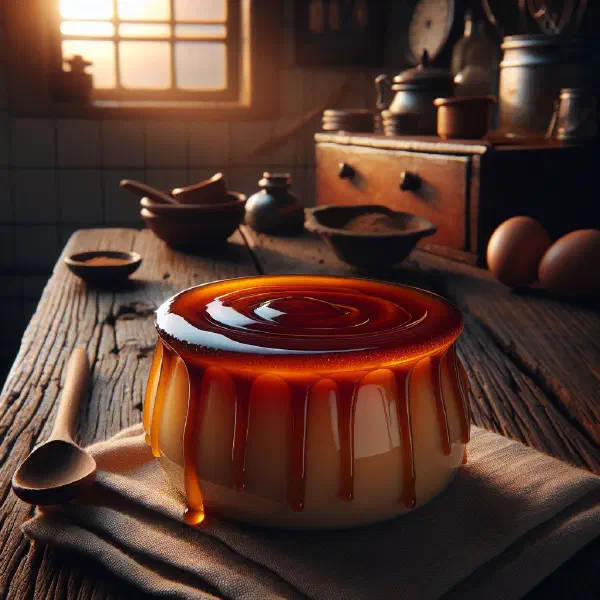
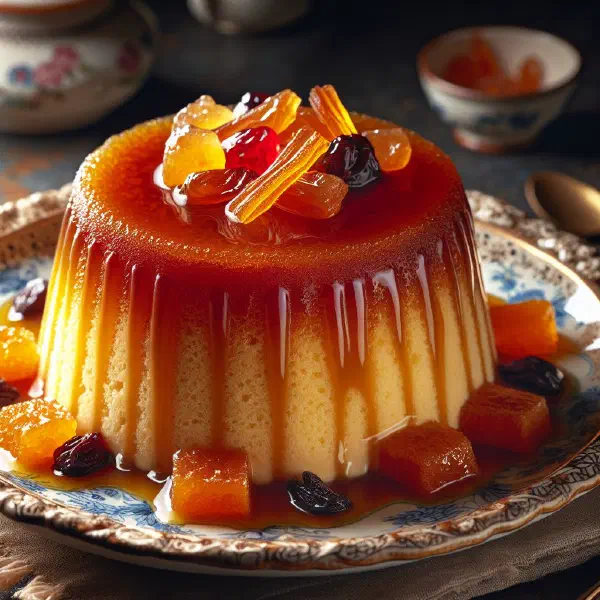
Treat yourself to Leite Creme, one of Portugal’s most beloved desserts. This silky vanilla custard hides beneath a crisp, golden layer of caramelised sugar that shatters at the touch of a spoon. Velvety, gently sweet and finished with that very good burnt-sugar crackle, it makes the perfect close to a Portuguese feast.
About Leite Creme
Leite Creme is a classic Portuguese dessert that has won over countless sweet tooths over the years. This delicate pudding is prized for its velvety texture and the rich, caramel flavour that comes from scorching a layer of sugar across the top. Traditionally it is served in small individual dishes, making it an ideal finish to a leisurely meal. Closely related to the crème brûlée family of custards, it sits comfortably among the great classics of Portuguese cuisine and never fails to impress. This dessert is always a crowd-pleaser.
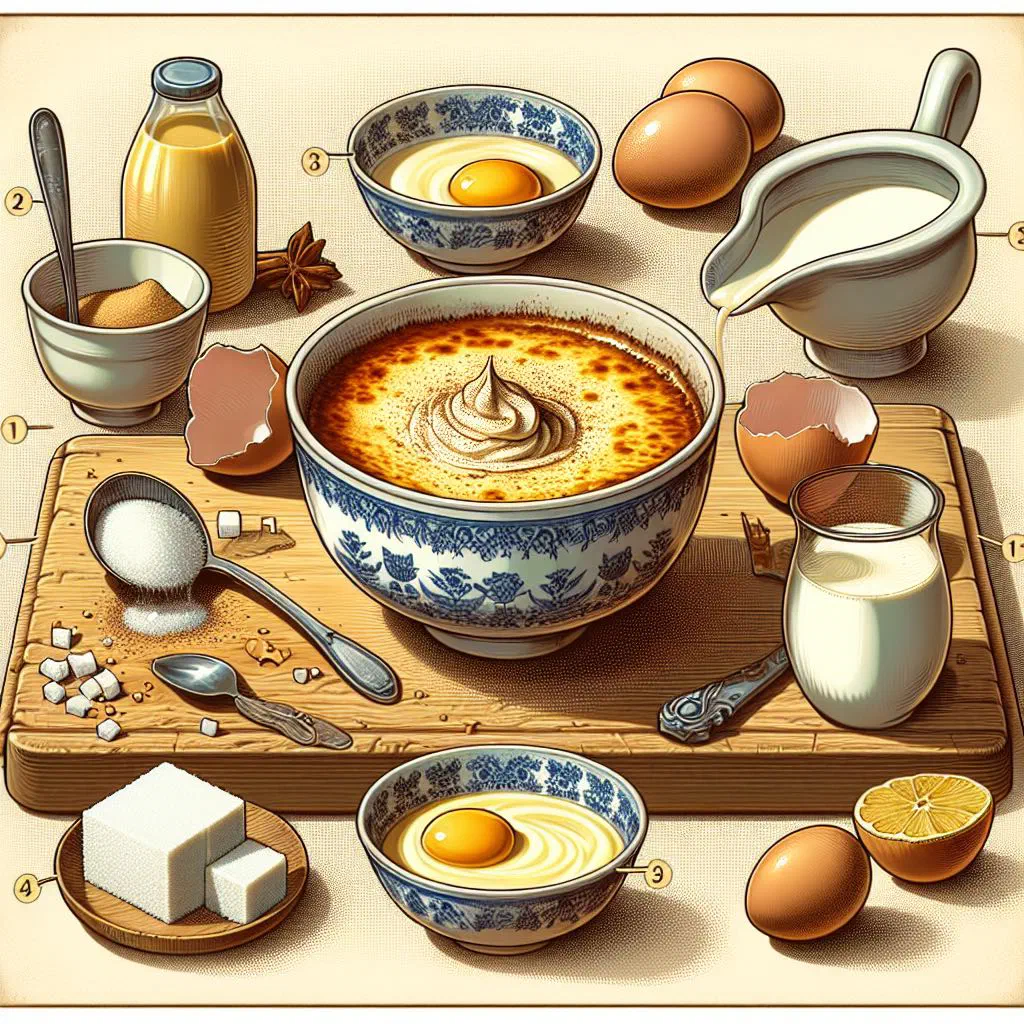
Ingredients (serves 1–2)
- 250 ml milk
- 100 ml cream
- 2 egg yolks
- 50 g sugar
- 1 teaspoon vanilla extract
- 2 tablespoons sugar (for the caramel topping)
Shopping for the ingredients
The ingredients for leite creme are wonderfully easy to find and can be picked up at any supermarket or delicatessen. When shopping, pay attention to the quality of the milk and cream, as these are the heart of the dessert. Fresh eggs are just as important for that smooth, creamy set. Choose a fine sugar so that it melts evenly when you caramelise the top.
Preparing the dish
Before you begin, it is worth making sure all your ingredients are at room temperature. This helps everything blend smoothly and gives the leite creme an even, silkier texture. A gentle water bath is recommended to keep the eggs from overheating and curdling. Lay out all your ingredients and equipment in advance to make the cooking process quicker and more relaxed.
Step-by-step instructions
- Preheat the oven to 150°C.
- In a small pan, warm the milk and cream over medium heat until they just begin to steam.
- In a bowl, whisk together the egg yolks, sugar and vanilla extract until well combined.
- Slowly pour the warm milk-and-cream mixture into the egg mixture, stirring constantly to avoid curdling.
- Divide the mixture between small ovenproof dishes and set them in a deep roasting tin.
- Pour in hot water to come halfway up the sides of the dishes, then bake for about 30 to 40 minutes.
- Once the leite creme has set, lift it out of the water bath and leave to cool.
- Just before serving, sprinkle an even layer of sugar over the surface and caramelise it with a blowtorch.
Gluten-free / lactose-free version
A gluten-free version of leite creme needs no special tweaks at all, as every ingredient used is naturally free from gluten. For a lactose-free variant, simply swap the cow’s milk and cream for lactose-free alternatives such as almond or coconut milk. Do bear the flavour in mind when choosing, as different milk substitutes can subtly change the aroma of the dessert. These small adjustments mean even those with intolerances can enjoy this delicious treat.
Tips for vegans and vegetarians
Although leite creme is traditionally made with eggs and milk, there are good vegan alternatives too. Use plant-based cream and plant milk to keep that rich, luxurious texture. Alternatively, silken tofu works well as an egg replacement, since it offers a similar smooth consistency. Agave nectar or maple syrup can also stand in for the sugar to sweeten the dessert naturally.
More tips and tricks
To make sure your leite creme turns out perfectly, it helps to keep a close eye on the oven temperature. Too hot and the eggs may curdle; too cool and the dessert will not set firmly enough. A digital thermometer can help you hit exactly the right temperature. Holding off on the sugar topping until just before serving also keeps that caramel layer crisp and fresh.
Adapting the recipe to your taste
You can easily tweak the basic leite creme recipe to suit your own palate. Try adding different flavourings such as orange or cinnamon for a special twist. Experimenting with honey or stevia in place of ordinary sugar can offer a lighter alternative too.
Ingredient substitutions
If you do not have certain ingredients to hand, there are plenty of alternatives to fall back on. Instead of fresh milk you can use evaporated milk for an even richer, creamier result. For the sugar, brown sugar lends a deeper caramel note, much like the honeyed warmth you find in Bolo de Mel da Madeira. These swaps can broaden the flavour of your leite creme and add welcome variety.
Drink pairing ideas
To round off your leite creme dessert beautifully, consider a few well-chosen drink pairings. A fresh espresso sits wonderfully against the sweet, creamy flavours and provides a lovely contrast. For a non-alcoholic option, a fresh mint tea is a refreshing choice that balances the sweetness nicely. A glass of light port wine can also strike an exquisite harmony with the dessert.
Serving and presentation ideas
For an inviting presentation, arrange the leite creme on a handsome serving plate. Decorate with fresh berries or mint leaves to add a splash of colour and freshness. Pretty dessert dishes or glass tumblers can heighten the visual appeal even further. Remember to caramelise the sugar just before serving to keep that satisfying crackle intact.
A bit of history
Leite creme has its origins in Portuguese cuisine and is often regarded as a cousin of crème brûlée. This traditional dessert is frequently served in Portuguese restaurants and has grown into a much-loved classic. Its preparation has evolved over the years yet remains a heartfelt tribute to Portugal’s culinary heritage. It also reflects the many cultural influences that have shaped the country’s kitchens over the centuries.
More recipe ideas
Summary: Leite Creme
Leite creme is a delicious and versatile dessert that appeals to with its velvety texture and caramelised topping. It is straightforward to prepare and easy to adapt to your own taste. Whether for a special occasion or simply a moment of self-indulgence, this pudding is an absolute treat. Give it a go and let the traditional flavours of Portugal work their magic.