National Dish Portugal: Mão de Vaca com Grão (Recipe)
In this article
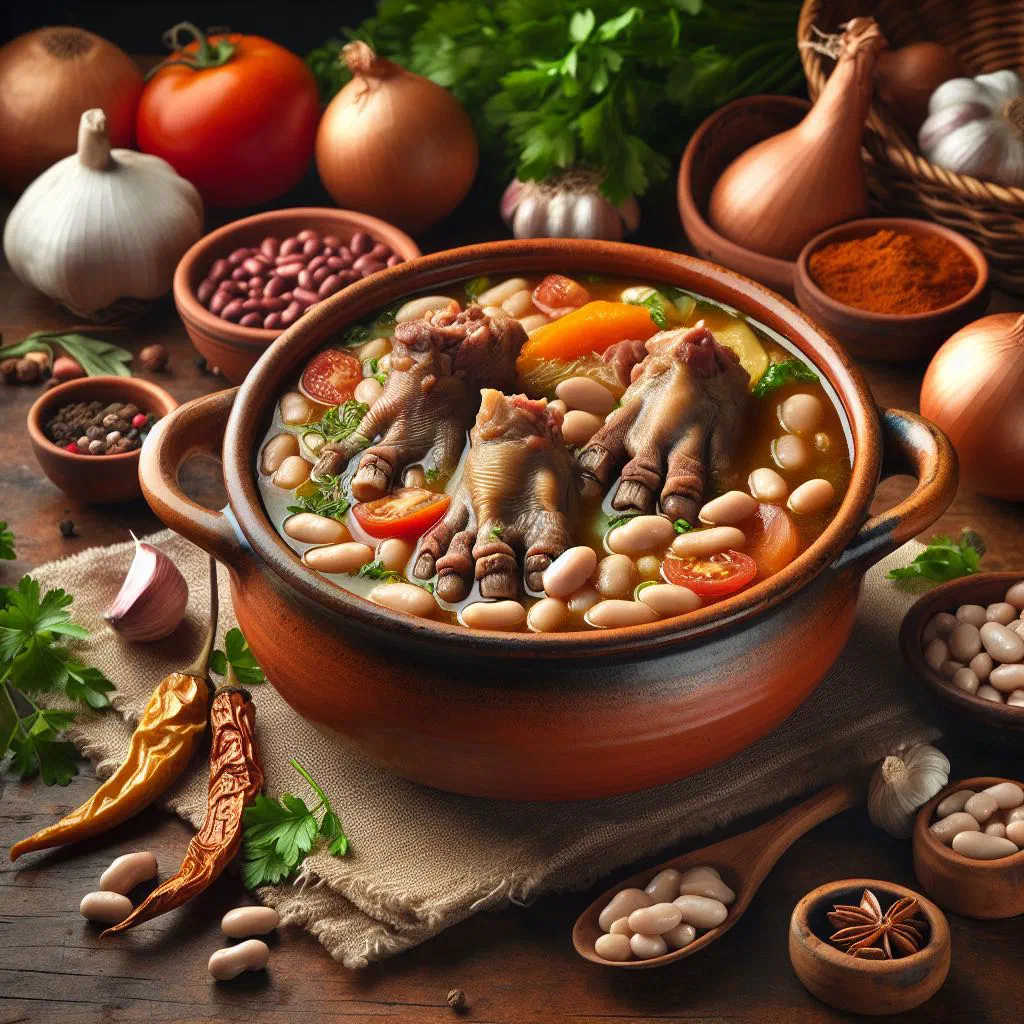
Hearty, rustic and full of soul, Mão de Vaca com Grão is the kind of slow-cooked Portuguese stew that fills a kitchen with comforting aromas for hours. Beef trotters are gently simmered with chickpeas until the meat falls apart and the broth turns silky and rich. It is a dish born of patience and thrift, the sort of nourishing one-pot meal that has long graced Portuguese family tables. Settle in for a leisurely cook and let this traditional classic reward you with deep, satisfying flavour.
About Mão de Vaca com Grão
Mão de Vaca com Grão is a classic Portuguese stew made with beef trotters and chickpeas. What makes it special is the long, gentle cooking: as the trotters simmer, they release plenty of collagen, which gives the broth a wonderfully silky, full-bodied character. That is exactly why this dish is never rushed. It is deliberately slow-braised until everything is meltingly tender. The result is a deeply warming bowl that sits firmly within the tradition of Portuguese cuisine and its love of hearty, frugal home cooking.
Ingredients (serves 1–2)
- 600–800 g beef trotters, chopped into pieces by your butcher
- 200 g dried chickpeas, or 400 g tinned chickpeas, drained
- 1 large onion
- 2–3 cloves of garlic
- 1–2 bay leaves
- 1 small carrot (optional, traditional)
- 1 tablespoon tomato purée (optional, for colour)
- 2–3 tablespoons olive oil
- Salt and black pepper
- 1–2 tablespoons vinegar or lemon juice (to taste, optional)
- Fresh parsley, to serve
Shopping for the ingredients
Ask your butcher specifically for beef trotters, often already chopped into pieces. This is the crucial point: Mão de Vaca is built around this particular cut. Not brisket or breast. If you opt for dried chickpeas, remember to factor in soaking time; tinned chickpeas make a handy, quicker alternative. A good Portuguese deli or a well-stocked supermarket should cover everything else you need.
Preparing the dish
Rinse the beef trotters thoroughly. For a clean, clear result it is well worth blanching them first: boil the trotters for five minutes in bubbling water, then discard the water, rinse out the pan and give the trotters a quick second rinse. If using dried chickpeas, soak them for 8–12 hours and drain. Prepare the onion and garlic, and keep the bay leaves to hand so everything is ready to go.
Step-by-step instructions
- Heat the olive oil in a large pot and soften the onion (and the optional carrot) for 3–5 minutes.
- Add the garlic and sauté briefly without letting it burn. Optionally, stir in the tomato purée and toast it for 30 seconds.
- Add the blanched beef trotter pieces and stir everything together well.
- Pour in enough water to cover generously, add the bay leaves and bring to the boil.
- Reduce the heat and let it simmer gently — the trotters usually need 2.5–3.5 hours until very soft.
- Add the chickpeas: if dried, either pre-cook them separately and stir in for the final 20–30 minutes, or add them directly after about 1.5–2 hours; if tinned, add them only for the last 15–20 minutes.
- Season with salt and pepper, and round off with a splash of vinegar or lemon juice if you like.
- Serve piping hot, scattered with fresh parsley.
Gluten-free / lactose-free version
This stew is naturally gluten-free and lactose-free, which makes it a brilliant option for anyone with intolerances. Just take care with any shop-bought stocks or seasonings you might add, checking that they contain no gluten-bearing additives. With its simple, wholesome ingredients, Mão de Vaca com Grão suits these diets beautifully without any adjustment.
Tips for vegans and vegetarians
For a plant-based take, you can build a hearty chickpea stew with plenty of onion, garlic, bay leaves and a robust vegetable stock. Bear in mind, though, that the original draws its character from the gelatine-rich texture of the beef trotters, which cannot be reproduced exactly in a vegan version. If you fancy a meat-free chickpea dish, Salada de Polvo com Grão shows how versatile this humble pulse can be.
More tips and tricks
- Blanching the trotters for five minutes makes the stew cleaner in flavour and less heavy on the palate.
- The consistency turns out especially well if you lightly crush a portion of the chickpeas at the end (optional).
- Like many stews, it often tastes even better the next day, once the flavours have had time to mingle.
Adapting the recipe to your taste
If you prefer a bolder result, work in more garlic or balance the dish with a little acidity, a dash of vinegar or lemon, right at the end. Depending on the region, cooks add further ingredients too, but the core stays the same: beef trotters and chickpeas cooked low and slow. For a heartier table spread, it pairs naturally with other Portuguese classics such as Cozido à Portuguesa.
Ingredient substitutions
- If beef trotters are hard to find, the dish is no longer strictly “Mão de Vaca”, but a similar stew works well with other gelatine-rich cuts, such as shin or beef leg.
- Tinned chickpeas save time, though they bring a touch less depth than dried chickpeas cooked from scratch.
Drink pairing ideas
A Portuguese red wine that is not too heavy works wonderfully here, or simply water with a slice of lemon. A light Vinho Verde can also do the job nicely, especially if you keep the acidity in the dish itself fairly restrained. The aim is a drink that complements the rich broth without overwhelming it.
Serving and presentation ideas
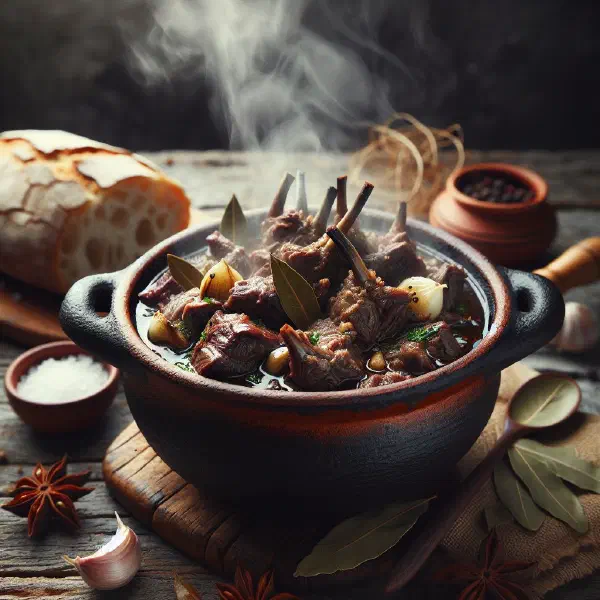
Serve in deep bowls, with plenty of chickpeas and the tender pieces of meat and gelatine on full show. Scatter parsley over the top and bring rustic bread to the table, and you have the classic, homely stew look. A few simple sides, Favas à Portuguesa, perhaps, round out a generous, welcoming spread.
A bit of history
Mão de Vaca com Grão belongs to traditional Portuguese home cooking and makes the most of cuts that turn especially flavourful with slow cooking. The pairing of pulses with collagen-rich meat is typical of many regional stews, filling, nourishing and ideal for feeding a crowd. It speaks to a long-standing kitchen philosophy of wasting nothing and coaxing the best from every ingredient, much like Tripas à Alentejana.
More recipe ideas
Summary: Mão de Vaca com Grão
Mão de Vaca com Grão is a soulful Portuguese stew of beef trotters and chickpeas, and it asks for nothing more than time and a little care. The keys are blanching the trotters, optional, but well worth it, and a long, gentle cook until the meat is meltingly soft and the broth turns silky. Hearty, frugal and deeply satisfying, it is comfort food at its finest. Give this Portuguese classic a try and let it become a slow-Sunday favourite in your own kitchen.