National Dish Portugal: Pão Alentejano (Recipe)
In this article
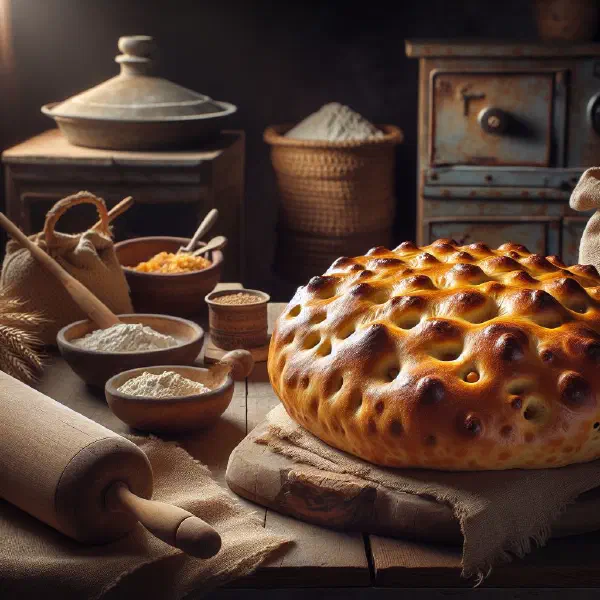
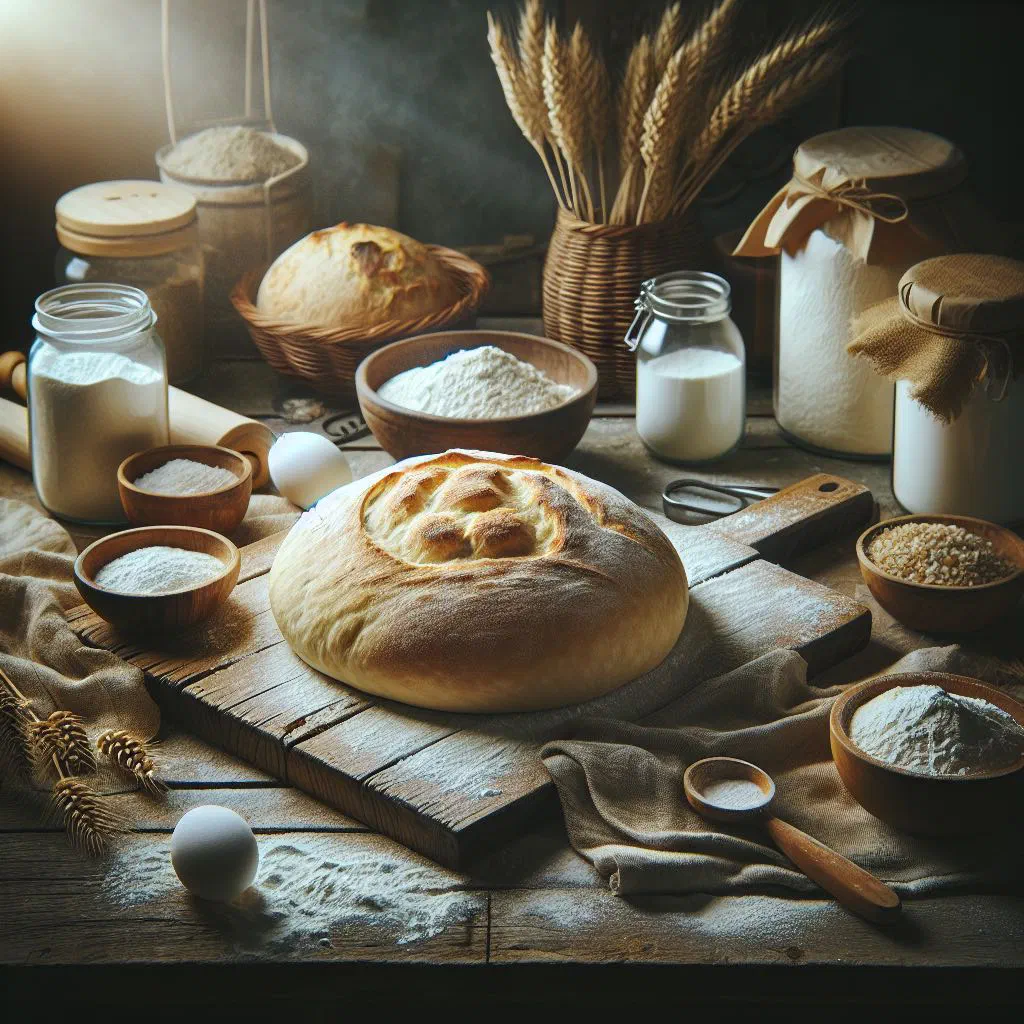
Discover Pão Alentejano, the rustic country loaf that captures the soul of Portugal’s sun-baked Alentejo region. With its thick, crackling crust and wonderfully open, chewy crumb, this is bread at its most honest, made with just a handful of humble ingredients and plenty of patience. Whether torn into a hearty stew or simply drizzled with good olive oil, it brings a true taste of the Portuguese countryside to your table.
About Pão Alentejano
Pão Alentejano is a traditional Portuguese bread that hails from the Alentejo, the vast rolling plains of southern Portugal. It is celebrated for its rustic texture and deep, satisfying flavour. The method itself is simple, though it does ask for a little time to let the dough prove properly. Far more than a mere staple, this loaf is a cherished companion to countless dishes and holds a treasured place in Portuguese cuisine, from everyday meals to festive spreads.
Ingredients (serves 1–2)
- 500 g wheat flour
- 300 ml lukewarm water
- 10 g salt
- 10 g yeast (fresh or dried)
- A splash of olive oil
Shopping for the ingredients
The ingredients for Pão Alentejano are easy to find in most supermarkets. When buying flour, look for wheat flour, ideally a strong type 550, to achieve the best texture for the loaf. Yeast can be bought either fresh or dried, and the choice is usually plentiful. A good-quality olive oil rounds out the flavour of the bread beautifully, so it is worth seeking out one from a reputable source.
Preparing the dish
To bake a perfect Pão Alentejano, the preparation is key. Begin by tipping the flour into a large bowl and forming a small well in the centre. Into this well go the yeast and the lukewarm water, allowing the yeast to wake up and become active. After a few minutes, add the salt and the olive oil to complete the dough. A tidy, well-organised work surface makes the whole process far more relaxed.
Step-by-step instructions
- Sift the flour into a large bowl and form a well in the centre.
- Dissolve the yeast in the lukewarm water, then pour it into the well.
- Add the salt and the olive oil.
- Knead the dough thoroughly until it is smooth and elastic.
- Cover the dough and leave it to prove in a warm place for at least 1–2 hours, until doubled in size.
- Knead the dough again and shape it into a round loaf.
- Leave the loaf to prove a second time, until almost doubled in size.
- Preheat the oven to 220 °C and bake the bread for 30–40 minutes, until golden brown.
Gluten-free / lactose-free version
Making Pão Alentejano gluten-free calls for special flours. It is best to use a gluten-free flour blend that is suited to bread baking. Lactose is not really an issue with this recipe, since no dairy products are used at all. Even so, choosing certified lactose-free ingredients can give complete peace of mind to anyone following a strict lactose-intolerant diet.
Tips for vegans and vegetarians
Pão Alentejano is wonderfully suited to a vegan diet, as every ingredient is plant-based. Just take care that the yeast you use contains no non-vegan additives. For further adaptation, you might experiment with yeast-free alternatives to lighten the dough, or reach for a gluten-free flour blend if you wish to avoid gluten altogether. This humble loaf welcomes almost any dietary preference.
More tips and tricks
To get the very best from your Pão Alentejano, the water temperature is crucial, lukewarm water activates the yeast at its finest. Kneading the dough several times also encourages a good, open structure. Experiment with the proving time, too; a longer rest can deepen the flavour still further. If you happen to have a wood-fired oven, use it to bring out an even more authentic, smoky character in the crust.
Adapting the recipe to your taste
Pão Alentejano is easy to adapt to your own preferences. If you enjoy playing with flavour, fold in herbs or spices such as rosemary or oregano. You could also work nuts or dried fruit into the dough for extra texture and interest. Little touches like these make the loaf your own and turn a simple bake into something genuinely special.
Ingredient substitutions
If you have no wheat flour to hand, other flours such as spelt work well to achieve a similar consistency. In place of commercial yeast you can turn to a sourdough starter, which lends the bread a wonderfully distinctive tang, the same depth of flavour prized in a classic Broa de Milho. Olive oil can be swapped for other oils, though we recommend sticking to good-quality choices that support the loaf’s aroma. If you opt for a gluten-free version, do make sure the flour is suited to bread.
Drink pairing ideas
Pão Alentejano pairs splendidly with a wide range of drinks. A dry Portuguese red wine sits especially well with the bread’s hearty character. For an alcohol-free option, try a freshly squeezed citrus juice or a homemade lime lemonade. Gentle herbal teas also make a pleasant companion to a relaxed supper.
Serving and presentation ideas
For an inviting presentation, arrange the loaf on a rustic wooden board. Garnish with fresh herbs and set out a small bowl of fine olive oil and balsamic alongside for dipping. Laid on a beautifully dressed table, it makes the meal feel like an occasion. You might also serve the bread pre-sliced so guests can help themselves with ease. It is the perfect partner to a bowl of Sopa de Lentilhas.
A bit of history
Pão Alentejano has a long and fascinating history, woven deeply into the culture and traditions of the Alentejo region. It was originally baked by farmers and rural communities who relied on simple, natural ingredients. Today the loaf is a symbol of Portugal’s culinary identity and is often used in traditional hearty dishes, among them the famous bread soup that gives Tripas à Alentejana its regional soul, to underline the local flavours. The sheer variety of ways to prepare it shows just how firmly the bread is rooted in Portuguese life.
More recipe ideas
Summary: Pão Alentejano
Pão Alentejano is a simple yet delicious bread that is easy to make and endlessly versatile. With only a few ingredients, you can produce an aromatic, hearty loaf that pairs beautifully with all manner of dishes. Its traditional preparation and the scope for personal touches make it a real pleasure to bake. A true classic of Portuguese cooking, this loaf brings a little piece of Portugal straight to your table.