National Dish Portugal: Sopa Alentejana (Recipe)
In this article
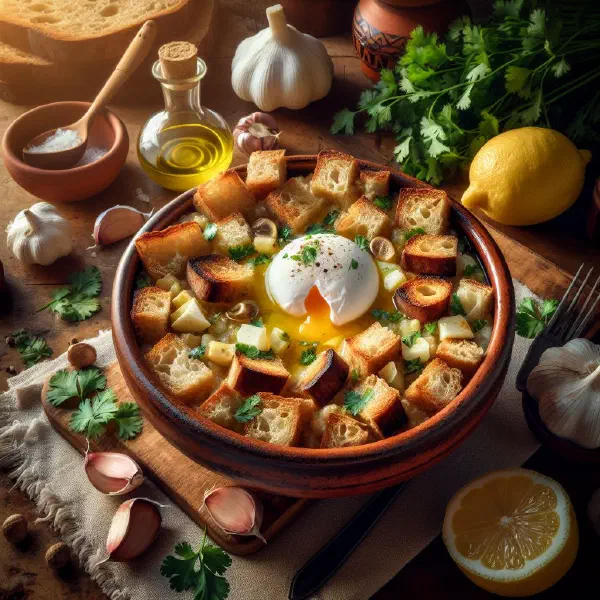
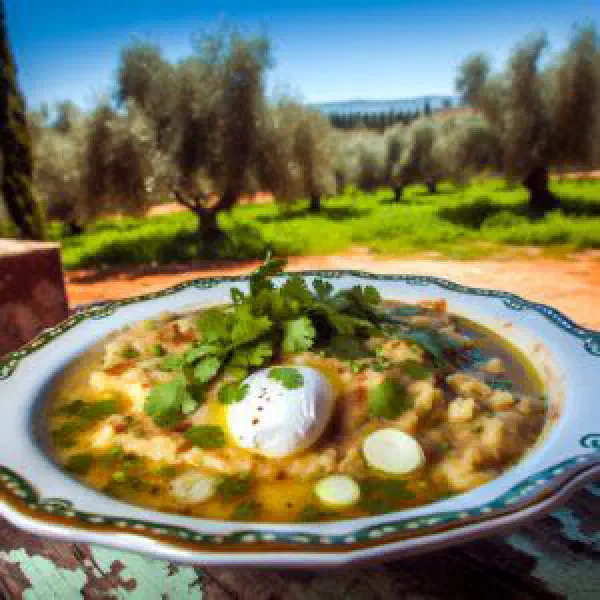
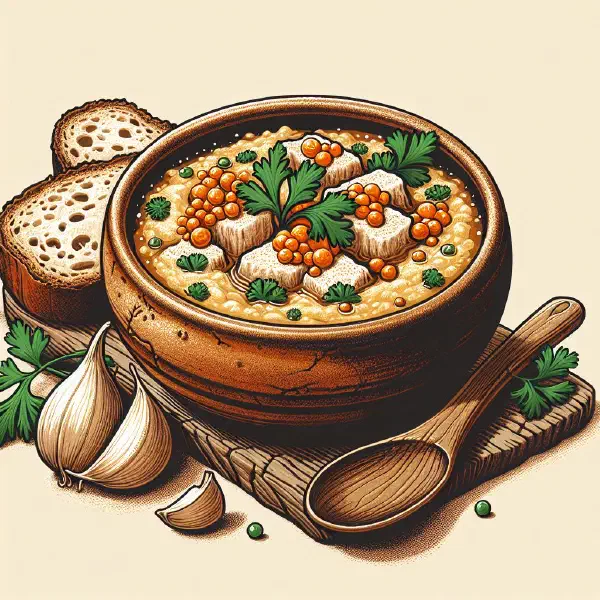
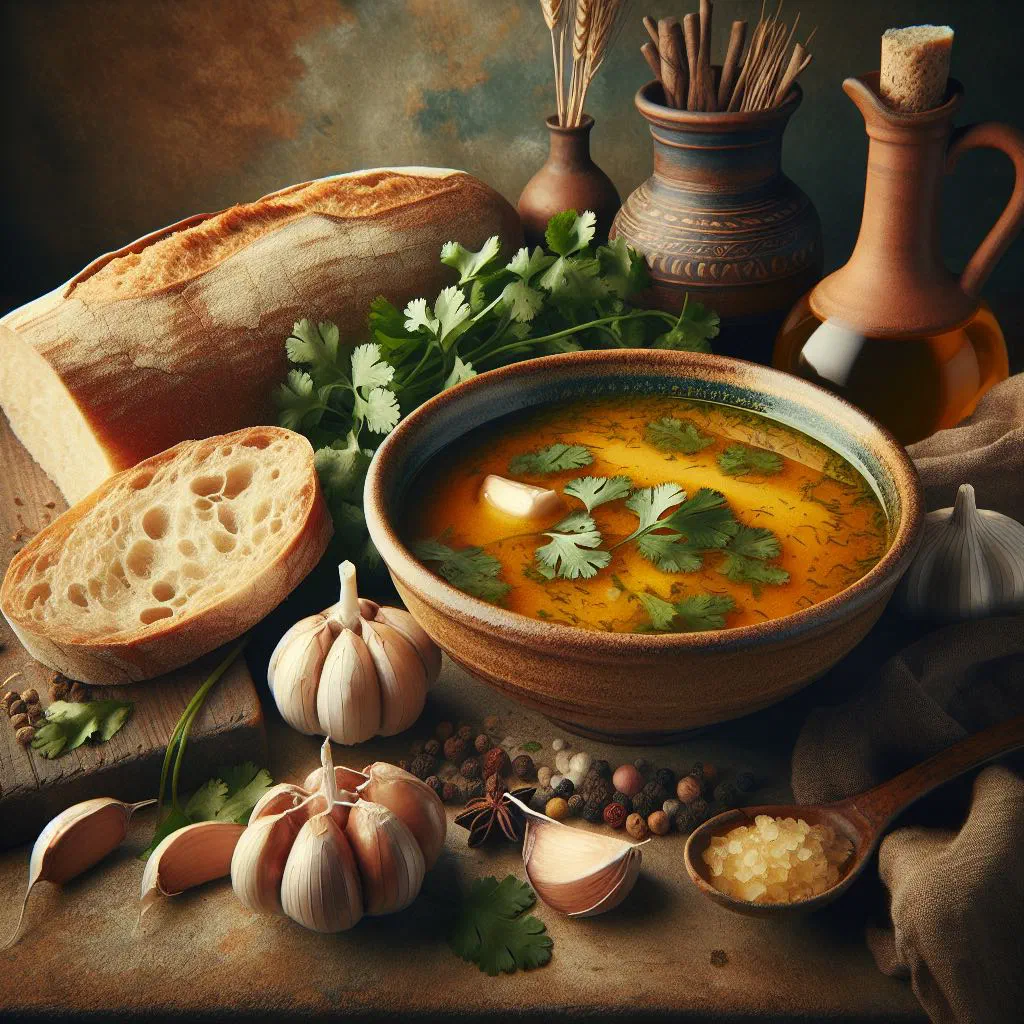
Discover Sopa Alentejana, a soulful bread soup that captures the warmth of Portugal’s sun-baked Alentejo region. Built from little more than crusty bread, fragrant garlic and a handful of fresh herbs, it is a humble dish that turns simple pantry staples into something deeply comforting. Every spoonful speaks of rural Portuguese hospitality, bringing the rustic flavours of the countryside straight to your table.
About Sopa Alentejana
Sopa Alentejana is far more than a soup; it is a piece of Portuguese tradition that hails from the enchanting Alentejo region. This delicious dish brings together the simplicity and the richness of local ingredients. It relies on fresh, crusty bread, aromatic garlic and tender herbs to create a flavour that captures the sunshine of Portugal. Every spoonful is an ode to the warmth of the Alentejan way of life, carrying the aromas of the region directly to your plate.
Ingredients (serves 1–2)
- 200 g fresh bread
- 1 litre beef stock
- 2–3 garlic cloves
- 1 bunch fresh parsley
- Salt and pepper, to taste
- Olive oil
Shopping for the ingredients
When shopping for Sopa Alentejana, take care to choose good-quality fresh bread. A proper, crusty loaf is essential, as it forms the very base of this soup. Pick up fresh herbs too, in particular parsley, which enriches the flavour of the dish. The garlic should be firm and aromatic, since it is what gives the soup its characteristic taste. If you enjoy this rustic style of cooking, you will find plenty more to explore across Portuguese cuisine.
Preparing the dish
Preparing Sopa Alentejana is straightforward and takes only a few steps. First, cut the bread into even pieces so it can soak up the stock uniformly. Prepare the garlic by peeling and lightly crushing the cloves to release their flavour. The fresh parsley is washed and finely chopped as well, ready to lift the soup with its bright, fresh aroma.
Step-by-step instructions
- Bring the beef stock to the boil in a large pan.
- Add the garlic and let it simmer briefly to draw out its flavour.
- Drop the bread pieces into the stock and leave them to soak for a few minutes.
- Stir through the chopped parsley and season the soup with salt and pepper to taste.
- Serve the soup hot, finished with a generous drizzle of olive oil on top.
Gluten-free / lactose-free version
For a gluten-free version of Sopa Alentejana, simply use a gluten-free loaf in place of the regular bread. Take care to choose a beef stock that is also gluten-free, or prepare a homemade stock from fresh ingredients. To keep the soup lactose-free, finish it with olive oil rather than butter or cream. That way the soup stays light yet every bit as tasty.
Tips for vegans and vegetarians
Sopa Alentejana lends itself beautifully to a vegetarian or vegan table when you swap the beef stock for a good vegetable stock. Pair this with a variety of fresh vegetables to deepen the flavour. You can also use a plant-based bread to make sure it contains no animal products. Don’t forget to enrich the stock with extra herbs and seasonings for a satisfyingly full aroma.
More tips and tricks
A key tip for making Sopa Alentejana is the choice of bread. The older the loaf, the better it absorbs the stock and sets the texture of the soup. The flavour can also be varied easily by adding different herbs such as thyme or bay leaf. Let the dish rest for a few minutes before serving so the aromas can develop fully, much the same patience that rewards a comforting bowl of Sopa de Lentilhas.
Adapting the recipe to your taste
The beauty of Sopa Alentejana lies in how flexible the recipe is. Feel free to swap the bread for different varieties to suit your personal taste. You can also adjust the amount of garlic to make the flavour stronger or milder. If you like things a little spicier, add a pinch of chilli or paprika to give the soup a warming kick.
Ingredient substitutions
If you don’t have certain ingredients to hand, there are plenty of alternatives to fall back on. In place of beef stock you can use chicken or vegetable stock to achieve different flavours, the same flexibility that shapes a good Sopa de Cação. If you have no fresh garlic, garlic powder will do, though it changes the taste slightly. Instead of parsley, other fresh herbs such as coriander or basil can take the soup in a new direction.
Drink pairing ideas
A number of drinks pair wonderfully with Sopa Alentejana and complement its flavours. A fresh, dry Portuguese white wine such as a Vinho Verde is an excellent choice. For those who prefer something non-alcoholic, sparkling mineral water with a squeeze of lemon makes a refreshing match. Lightly chilled herbal teas also sit well alongside the soup, bringing a harmonious note to the meal. On cooler evenings, a mug of Vinho Quente com Especiarias is a cosy alternative.
Serving and presentation ideas
Presentation matters when it comes to rounding off the Sopa Alentejana experience. Serve the soup in handsome, deep bowls and garnish it with fresh parsley and a drizzle of good-quality olive oil. An extra slice of crusty bread on the side completes the dish and invites dipping. A bright tablecloth and rustic crockery create an inviting atmosphere that makes the soup all the more appealing.
A bit of history
Sopa Alentejana has its roots in the agricultural Alentejo region, where farmers and labourers often worked with simple but nourishing ingredients. The soup was regarded as a kind of “food for the soul” and was frequently a staple for the working population. Over the years it has been enriched with various regional variations, deepening its significance and popularity. Today it is a symbol of Alentejan cooking and the sheer joy of eating, sitting proudly alongside hearty regional classics like Tripas à Alentejana.
More recipe ideas
Summary: Sopa Alentejana
In summary, Sopa Alentejana is a delicious and hearty dish that embodies the traditions of Portuguese cooking. With its simple preparation and robust flavours, this soup is ideal for any occasion. It is nourishing and brings the warmth and hospitality of the Alentejo region to the table. Give it a go and discover the soul of Portugal in every sip.