National Dish Portugal: Sopa Juliana (Recipe)
In this article
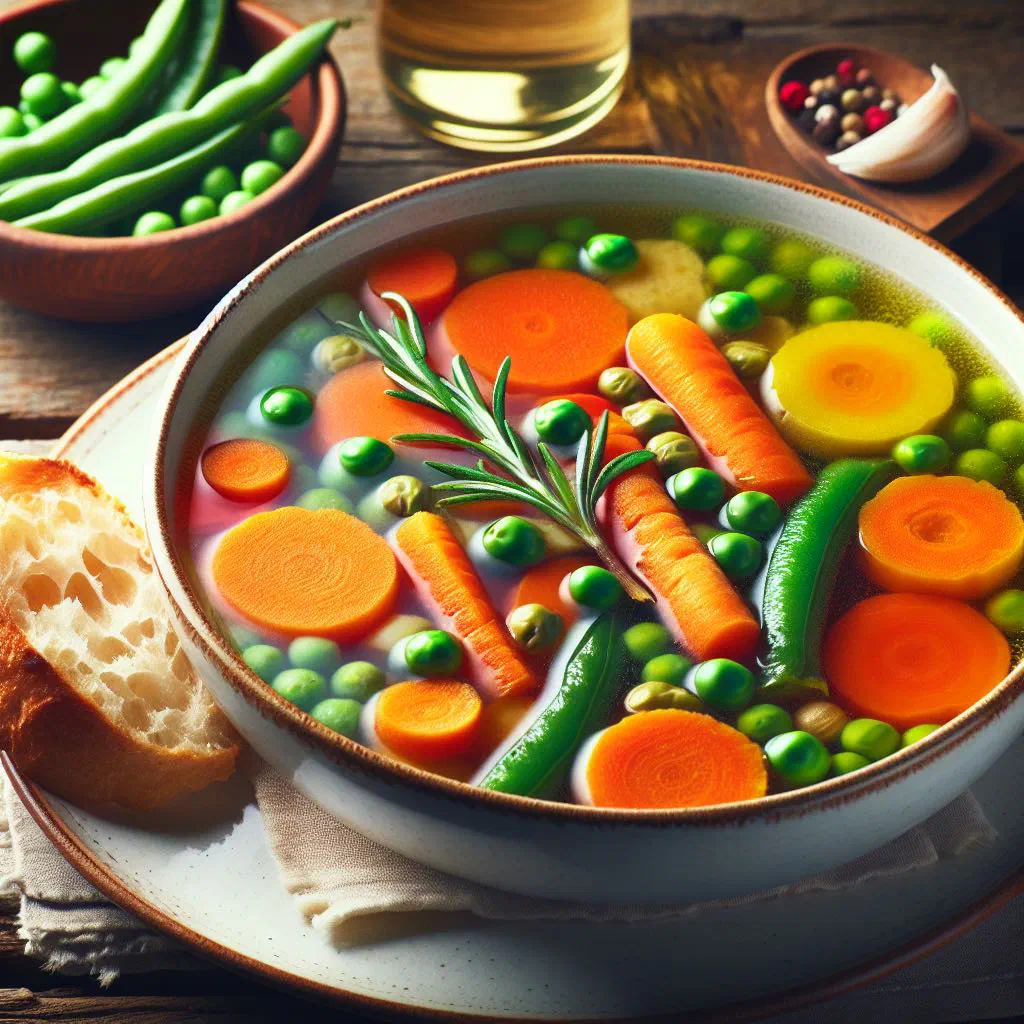
Bring a taste of Portuguese warmth to your table with Sopa Juliana, a soul-warming vegetable soup that turns up in kitchens right across the country. Built on humble, seasonal vegetables and the lively scent of fresh herbs, it captures the generosity and hospitality at the heart of Portuguese home cooking. This gentle, nourishing bowlful is the perfect way to start exploring the country’s cuisine.
About Sopa Juliana
Sopa Juliana is a classic dish cherished in most Portuguese households, a hearty vegetable soup that mirrors the wonderful variety of the country’s cooking. Packed with fresh, seasonal produce, it lets the natural sweetness of the vegetables and the fragrance of fresh herbs take centre stage as you settle in for a comforting meal. Every family has its own version, yet the core ingredients stay much the same, which is exactly what makes it such a reliable, much-loved favourite.
Ingredients (serves 1–2)
- 1 carrot, diced
- 1 leek, sliced into rings
- 200g white cabbage, finely shredded
- 1 onion, finely diced
- 2 cloves garlic, chopped
- 1.5 litres vegetable stock
- 2 tablespoons olive oil
- Salt and pepper, to taste
- Fresh parsley, to garnish
Shopping for the ingredients
When shopping for Sopa Juliana, it pays to pay attention to the quality and freshness of your produce. A trip to a weekly farmers’ market is ideal for tracking down local, seasonal vegetables. With ingredients such as carrots and leeks in particular, buying them fresh makes a real difference to the finished soup. The olive oil matters just as much, as it shapes the depth of flavour throughout the dish.
Preparing the dish
Preparing Sopa Juliana is quick and refreshingly simple. Start by washing all the vegetables thoroughly and cutting them into neat pieces. It is worth keeping the pieces an even size so they cook through at the same rate. As you work, the kitchen will fill with a gentle, inviting aroma that builds anticipation for the meal to come.
Step-by-step instructions
- Heat the olive oil in a large pot and gently sweat the onion and garlic until softened and translucent.
- Add the diced carrot and the leek, and continue to fry for a further 5 minutes.
- Stir in the shredded cabbage and mix everything together well.
- Pour in the vegetable stock and bring the pot up to the boil.
- Lower the heat and let the soup simmer for around 25–30 minutes, until the vegetables are tender.
- Season to taste with salt and pepper, then garnish with fresh parsley just before serving.
Gluten-free / lactose-free version
Making Sopa Juliana gluten-free and lactose-free could hardly be easier, since most of the ingredients are naturally free from both. Simply make sure that the vegetable stock you choose is also certified gluten-free. Fresh vegetables contain no lactose, so you can enjoy the dish with complete peace of mind. This means those with allergies or intolerances can savour the soup just as happily as everyone else.
Tips for vegans and vegetarians
For vegans and vegetarians, Sopa Juliana is a brilliant way to make the most of fresh, seasonal vegetables. Just reach for a good plant-based stock and steer clear of any animal products. The soup is naturally vegan and delivers a generous helping of nutrients in every bowl. You can also stir in different vegetables to suit your taste, keeping things varied and interesting from one batch to the next.
More tips and tricks
A little secret for an even tastier Sopa Juliana is to add fresh herbs such as thyme or a bay leaf or two while the soup cooks. These deepen the aroma and give the broth a lovely fragrance. A squeeze of lemon juice just before serving rounds out the flavours beautifully. Experiment with the cooking time too, adjusting it until the vegetables reach exactly the texture you prefer.
Adapting the recipe to your taste
Sopa Juliana is endlessly adaptable. Potatoes or celery are especially popular for a more substantial, filling bowl. A pinch of chilli or paprika introduces a gentle heat if you like things a touch spicier.
Ingredient substitutions
If you find yourself missing an ingredient, there is no need to worry. Onions or shallots make a fine stand-in for leek, and if you have no white cabbage to hand, other types of cabbage will do the job nicely. You can also fall back on frozen vegetables whenever fresh produce is hard to come by. Swaps like these mean you can rustle up Sopa Juliana at any time without changing the recipe in any meaningful way, much like the flexible approach that works so well for a Sopa de Lentilhas.
Drink pairing ideas
A warm bowl of Sopa Juliana sits happily alongside all sorts of drinks. A light, fruity white wine brings out the flavours of the soup wonderfully. For a refreshing alternative, sparkling mineral water with a slice of lemon is a lovely choice. Those who prefer to skip the alcohol might reach for a fresh herbal tea, which complements the savoury notes perfectly.
Serving and presentation ideas
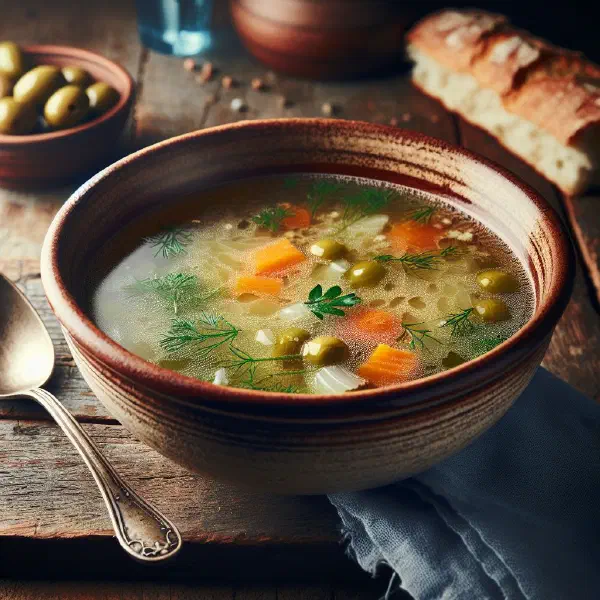
Presentation can add a great deal to the enjoyment of Sopa Juliana. Serve the soup in warmed bowls or plates so it keeps its heat for longer. A scattering of fresh herbs on top adds a splash of colour and a fragrant lift. A slice of crusty bread on the side completes the experience and makes the meal all the more inviting.
A bit of history
Sopa Juliana has its roots in Portugal’s rural food culture. Originally devised as a simple, nourishing meal, it soon became a symbol of Portuguese hospitality. The marriage of fresh, regional ingredients with the freedom to adjust the soup to whatever the season offers makes it a truly timeless dish. To this day it is still prepared in countless Portuguese homes, a quiet reminder of just how much the country treasures its traditions and its wider Portuguese cuisine.
More recipe ideas
Summary: Sopa Juliana
Sopa Juliana is so much more than just a soup; it is an expression of Portuguese culture and a deep affection for the land’s natural bounty. Thanks to its fresh ingredients and its straightforward preparation, it appeals to family and friends alike. Whether on a cold winter’s evening or as a light midday meal, this soup warms the hearts of everyone who tries it. If you would like to bring a little of Portugal to your own table, Sopa Juliana is the perfect place to begin.