National Dish Portugal: St John's Wort Tea (Recipe)

In this article
Discover St John’s wort tea, a soothing herbal infusion deeply woven into Portuguese tradition. Brewed from the bright yellow flowers of the hipericão plant, this gentle drink carries soft bittersweet notes and a calming aroma that has long been treasured for its restful qualities. This cup brings a little Portuguese herbal lore straight into your kitchen.
About St John’s Wort Tea
St John’s wort tea is a traditional Portuguese drink made from the hipericão plant, better known in English as St John’s wort. Prized for its distinctive soothing character, this infusion has earned a firm place in Portuguese kitchens and remains a popular choice for relaxation and wellbeing. Its delicate aroma and gentle bittersweet notes make for a memorable cup, and many people enjoy it as much for its calming effect as for its taste. It is a simple, comforting brew that suits any time of day.
Ingredients (serves 1–2)
- 2 teaspoons dried St John’s wort
- 500 ml water
- Honey or sugar, to taste
- A squeeze of lemon juice (optional)
Shopping for the ingredients
The ingredients for St John’s wort tea are easy to find in health-food shops, organic stores and online. Look for good-quality dried St John’s wort, as this makes all the difference to both the flavour and the soothing qualities of the brew. Honey or sugar can be added to taste to sweeten the cup, while a little fresh lemon is a lovely addition that lends the tea a bright, fresh note.
Preparing the dish
Before you begin brewing your St John’s wort tea, make sure all your ingredients are ready to hand. Fresh, clean water is essential for the best flavour, so use filtered or mineral water if you can. If you plan to sweeten the tea, set out your honey or sugar in advance. The whole process takes only a few minutes, so you can be enjoying a warm cup in next to no time.
Step-by-step instructions
- Bring the water to the boil in a pan.
- Add the dried St John’s wort and let the tea steep for 10 minutes.
- Strain the tea through a fine sieve into a cup or teapot.
- Sweeten with honey or sugar to taste, adding a squeeze of lemon juice if you like.
Gluten-free / lactose-free version
St John’s wort tea is naturally gluten-free and lactose-free, which means anyone can enjoy it regardless of dietary needs. As ever, do check the source of your honey or other sweeteners, along with any added ingredients, to be sure they contain nothing unwanted. That way the tea stays pure, wholesome and entirely free of hidden allergens.
Tips for vegans and vegetarians
Vegan and vegetarian drinks are more popular than ever, and St John’s wort tea fits the bill perfectly. If you prefer to avoid animal products, simply swap the honey for a plant-based sweetener such as maple syrup or agave nectar. You can also add extra herbs and spices to layer in more flavour and goodness without compromising a vegan approach. These small tweaks make the tea even more wholesome and varied.
More tips and tricks
To brew St John’s wort tea at its best, pay attention to your water quality, filtered or mineral water can noticeably improve the taste. It is also worth experimenting with the steeping time: a shorter brew gives a milder flavour, while a longer steep draws out more of the natural bitterness. Adding fresh herbs is another excellent way to give the tea a new dimension and make each cup your own.
Adapting the recipe to your taste
St John’s wort tea is wonderfully easy to tailor to your own preferences. Try adding spices such as ginger or cinnamon for a little extra warmth and depth. You can also play with different sweeteners and levels of sweetness, some prefer their tea on the sweeter side, while others enjoy the natural bitterness of the herb. A few small adjustments ensure that every sip is exactly to your liking.
Ingredient substitutions
If you do not have dried St John’s wort to hand, fresh St John’s wort works well too, though you will need to adjust the quantity accordingly. For a different flavour, chamomile makes an interesting alternative that brings its own soothing qualities. In place of honey, stevia or other natural sweeteners do the job nicely. Substitutions like these keep the recipe flexible and easy to adapt, much as you might tweak a comforting bowl of Sopa de Lentilhas.
Drink pairing ideas
Alongside your St John’s wort tea, you might serve other herbal or fruit teas that echo its aromatic character. A pot of hibiscus tea or refreshing mint tea makes a lovely companion, while a simple glass of still water with slices of lemon helps cleanse the palate between cups. Pairings like these invite a little experimentation and turn every tea break into something special, a fine partner, too, for a slice of Bolo de Mel da Madeira.
Serving and presentation ideas
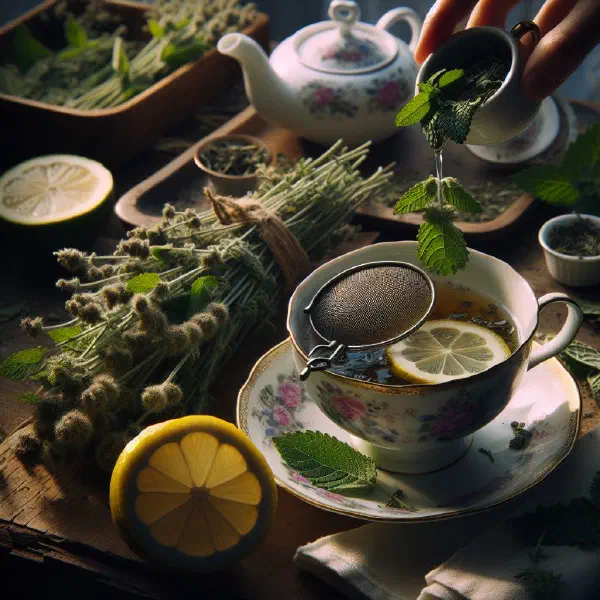
Presenting your St John’s wort tea beautifully can lift the whole experience. Reach for pretty cups, a sprig of fresh herbs or a slice of lemon perched on the rim of the glass. A handsome teapot adds a touch of style when serving, and a little creativity in the arrangement makes the moment feel that bit more special. Try to harmonise the colours of the tea and any accompaniments, and your tea break becomes a feast for the senses.
A bit of history
St John’s wort has a long history in Portuguese culture, stretching back to antiquity. The plant was valued early on for its medicinal properties and found a lasting place in traditional herbal medicine. St John’s wort tea has often been recommended to ease stress and lift the spirits, and that tradition endures to this day, with the brew still enjoyed as a natural, comforting remedy and a quiet pleasure of Portuguese cuisine.
More recipe ideas
Summary: St John’s Wort Tea
St John’s wort tea is a good blend of flavour and wellbeing. With just a few simple ingredients and an easy, fuss-free method, anyone can enjoy this traditional Portuguese infusion. Whether as a warming drink on a chilly day or a refreshing brew in the summer heat, this tea has something to offer everyone. Let its heritage inspire you, and savour the gentle, soothing comfort of a freshly brewed cup.