National Dish Portugal: Tarte de Santiago (Recipe)
In this article
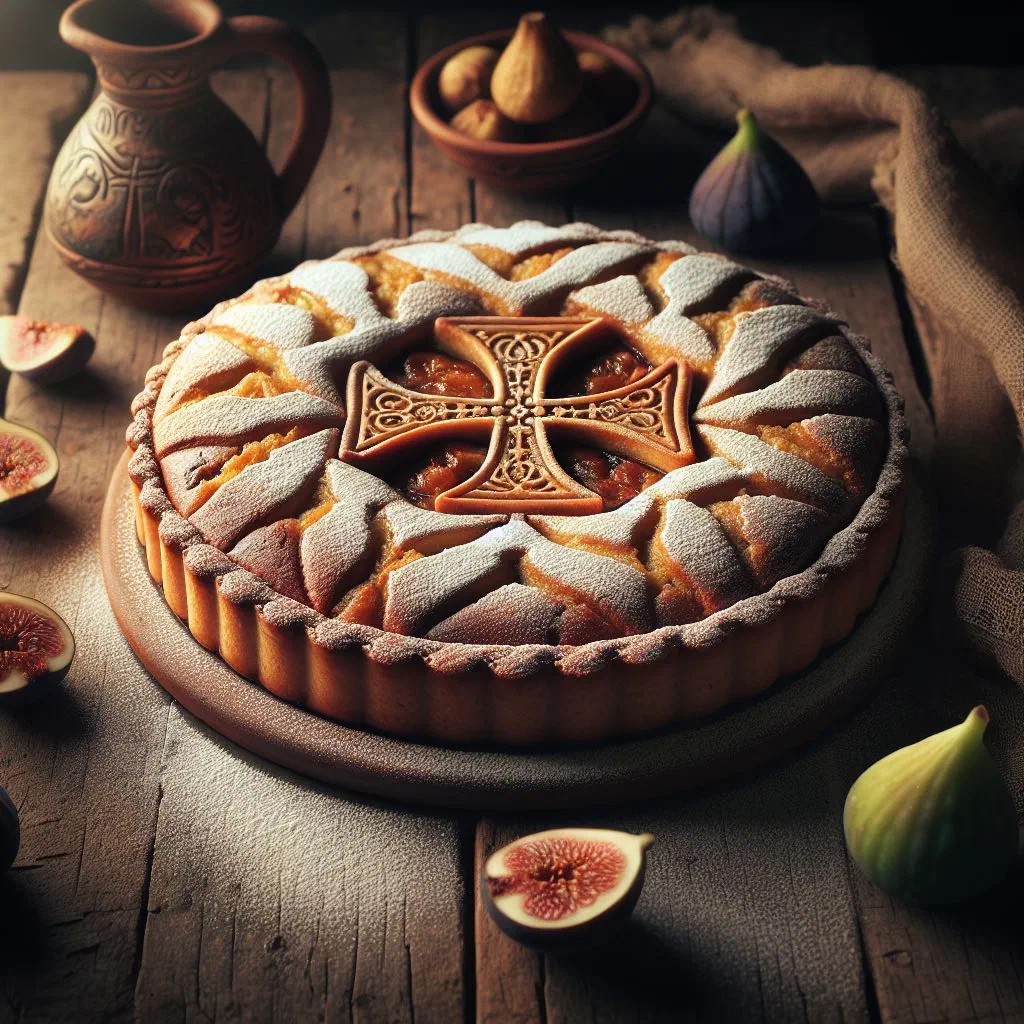
Meet Tarte de Santiago, a moist almond cake with deep roots along the pilgrim trail to Santiago de Compostela. Fragrant with toasted almonds and a whisper of cinnamon, it is famous for the cross of Saint James outlined in icing sugar across its golden top. Made with just a handful of pantry staples, this naturally gluten-free bake is the kind of treat that feels equally at home at a celebration or alongside an afternoon coffee.
About Tarte de Santiago
Tarte de Santiago, also written Tarta de Santiago, is a delicious almond cake with origins in the Galician region of Spain and a cherished place across the Iberian Peninsula. The cake stands out for its tender texture and the unmistakable flavour of almonds, rounded off beautifully by a pinch of cinnamon. The distinctive cross pattern so often dusted across the surface symbolises Saint James, marking it out as a special cake for feast days. Tarte de Santiago is always welcome at the table.
Ingredients (serves 1–2)
- 150 g ground almonds
- 100 g sugar
- 3 eggs
- 50 g butter, melted
- 1 teaspoon cinnamon
- 1 teaspoon grated lemon zest
- A pinch of salt
- Icing sugar, for dusting
Shopping for the ingredients
When shopping for the ingredients for Tarte de Santiago, it really pays to look at the quality of the almonds. Ideally use fresh ground almonds, bought in small quantities so they stay fragrant and full of flavour. Sugar and cinnamon are also fundamental ingredients and should be of the best quality you can find, the better to bring out the character of the cake. The butter and the eggs should be as fresh as possible, which has a noticeable, positive effect on both the texture and the taste of the finished bake.
Preparing the dish
Getting ready to bake a Tarte de Santiago is both simple and rewarding. First, preheat the oven to 175°C so it reaches the right temperature for the cake. Make sure you have a springform tin or a tart tin to hand, well greased and floured, so the cake releases cleanly once baked. These small steps are key to making sure the cake bakes evenly and develops its lovely, tender texture.
Step-by-step instructions
- In a large bowl, combine the ground almonds, sugar, eggs and melted butter and mix well.
- Add the cinnamon, lemon zest and salt, then mix everything into a smooth, homogeneous batter.
- Pour the mixture into the prepared tin and smooth the surface level.
- Bake in the preheated oven for about 30–35 minutes, until golden brown.
- Once baked, leave the cake to cool, then dust it generously with icing sugar before serving.
Gluten-free / lactose-free version
Tarte de Santiago is easy to prepare gluten-free and lactose-free, and it is in fact naturally free from gluten. In place of standard ground almonds you can use other nut flours, as long as they too are gluten-free. The butter can be swapped for plant-based alternatives such as coconut oil or margarine to keep the cake lactose-free. These small adjustments mean that people with intolerances can enjoy this delicious dessert just as much as everyone else.
Tips for vegans and vegetarians
For a vegan version of Tarte de Santiago, the eggs can be replaced with apple purée or flaxseed. A combination of one tablespoon of ground flaxseed with three tablespoons of water makes a reliable egg substitute. The melted butter can, as already mentioned, be swapped for a plant-based alternative. In this way vegan bakers can enjoy this wonderful cake too, without missing out on its moist crumb.
More tips and tricks
A few simple tips will help you get the very best from your Tarte de Santiago. Try to use the almonds as fresh as possible, since the flavour suffers considerably once they have been stored for a while. Straight out of the oven, the cake can be decorated with toasted flaked almonds, which not only look attractive but add a pleasing extra crunch. Finally, always let the cake cool thoroughly before slicing, so each piece keeps a clean, perfect shape.
Adapting the recipe to your taste
Tarte de Santiago is wonderfully easy to tailor to your personal preferences. Fold in a few chopped chocolate chips, for instance, to add a chocolatey note, or experiment with different spices such as nutmeg or vanilla. A scattering of fruit like raspberries or apple can also lend the cake an interesting new dimension. Creative tweaks like these can turn each bake into a fresh experience, much as the honeyed twist of Bolo de Mel da Madeira reinvents a classic.
Ingredient substitutions
If you do not have all the ingredients to hand, there are good alternatives for Tarte de Santiago. Instead of ground almonds, you could use ground hazelnuts or walnuts, which deliver an equally delicious flavour. The sugar can be replaced with honey or other natural sweeteners if you prefer a less refined option. The butter, too, can give way to plant-based choices, helping you adapt the cake to a range of dietary needs.
Drink pairing ideas
A number of drinks pair beautifully with Tarte de Santiago and bring out its flavour. A classic glass of port offers a sweet, fruity note that works wonderfully with the almonds and cinnamon. An espresso or a fragrant tea also make excellent companions, rounding off the whole experience. For something warming on a cold evening, a mug of Vinho Quente com Especiarias is hard to beat. Try a few combinations to find the perfect match for your cake.
Serving and presentation ideas
Presentation plays a big part in the pleasure of Tarte de Santiago. Serve the cake on an attractive plate or a wooden board to play up its rustic charm. A few fresh mint leaves or some edible flowers make a lovely decorative accent, lifting the look of the cake still further. Take care to dust the icing sugar evenly, ideally using a paper stencil of the cross of Saint James for that classic, picture-perfect finish.
A bit of history
Tarte de Santiago has a long and fascinating history that reaches back to the 16th century. It was traditionally enjoyed by pilgrims walking the Way of Saint James to Santiago de Compostela. The cross on top of the cake is a symbol of Saint James and is the unmistakable hallmark of the dish. In Galicia and across the wider region, the cake is often served at festivities and special occasions, which underlines its lasting cultural significance and its place in Portuguese cuisine and the kitchens of the Iberian Peninsula.
More recipe ideas
Summary: Tarte de Santiago
Tarte de Santiago is a true celebration of flavour and a slice of Galician and Iberian culture that is well worth trying. With simple ingredients and a fuss-free method, you can make this lovely almond cake at home with ease. It never fails to please. A slice of this cake, served alongside a few well-chosen accompaniments, makes the perfect highlight for any occasion.