National Dish Puerto Rico: Arroz con Gandules (Recipe)
In this article
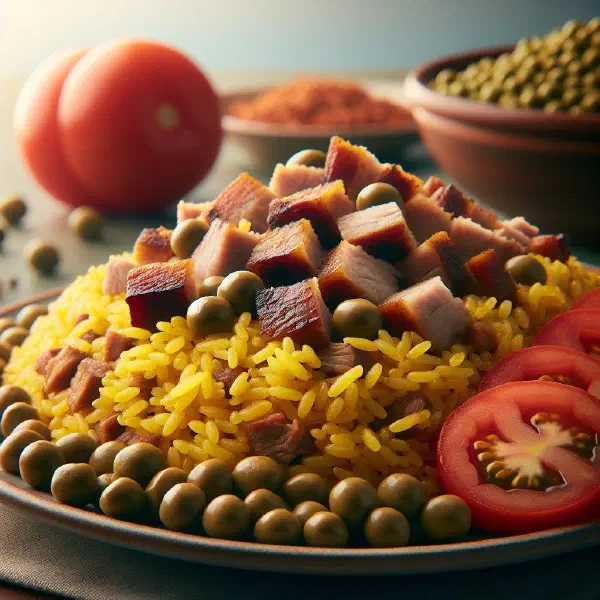
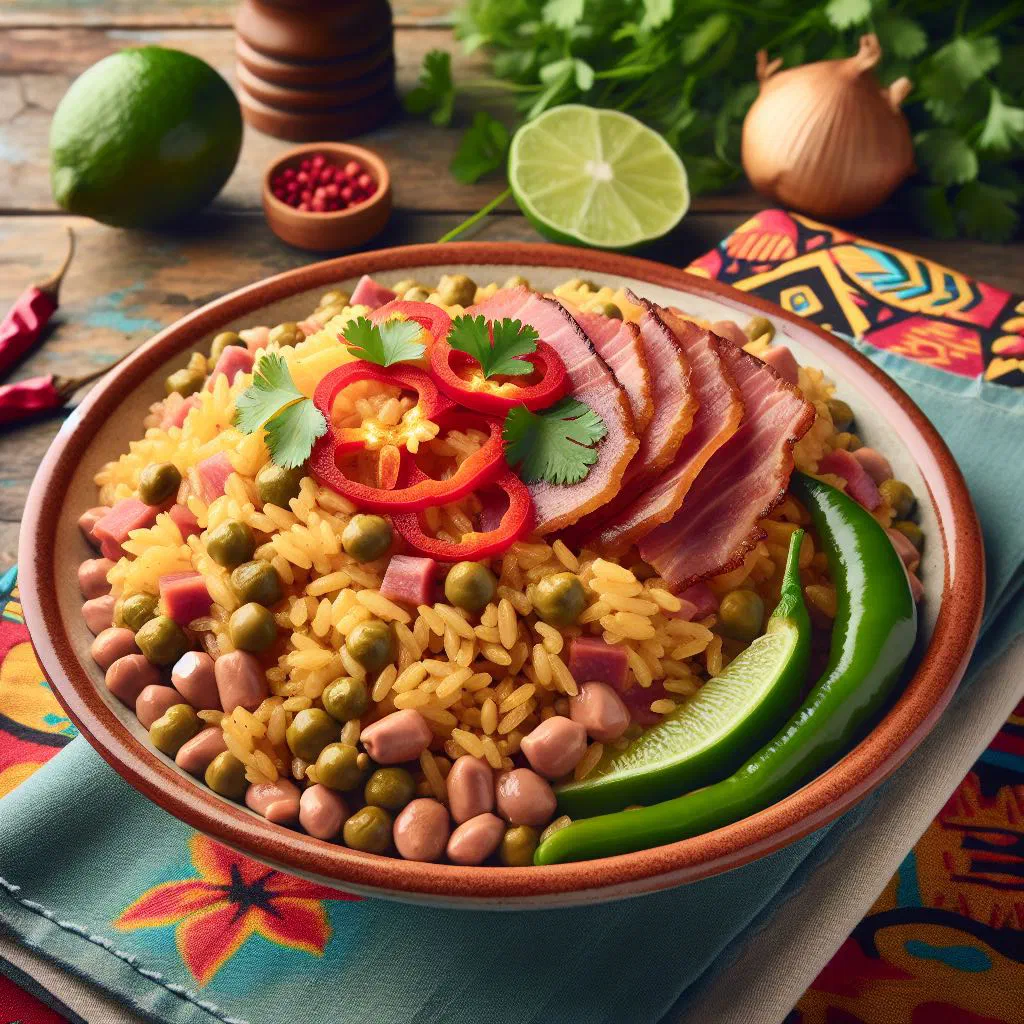
Arroz con Gandules is rice with pigeon peas, cooked in sofrito and achiote, and it is what Puerto Rico eats at Christmas. The prize is pegao, the crisp scorched layer at the bottom of the pot, which people fight over.
About Arroz con Gandules
Sofrito is the base of Puerto Rican cooking: onion, garlic, peppers, culantro and coriander blended raw and kept in the fridge. Achiote gives the orange colour. Pigeon peas, gandules, are the legume.
Salt pork or ham gives the savoury depth in the traditional version. The rice cooks in the resulting liquid until the bottom catches.
Ingredients (serves 1–2)
- 1 cup long-grain rice
- 1 can gandules (pigeon peas)
- 2 cups chicken or vegetable stock
- 1 onion, finely chopped
- 2 cloves garlic, chopped
- 1 bell pepper, diced
- 1 teaspoon oregano
- 1 teaspoon cumin
- Olive oil
- Salt and pepper to taste
- Optional: meat of your choice (e.g. chicken or pork)
Shopping for the ingredients
Tinned gandules are standard and fine. Culantro, sold as recao, is what makes real sofrito and is worth finding. Achiote oil or annatto seeds for the colour. A caldero, the heavy aluminium pot, is what Puerto Rican kitchens use and it makes better pegao than a saucepan.
Preparing the dish
Make the sofrito by blending onion, pepper, garlic, culantro and coriander raw. Fry it in achiote oil until it darkens. Measure the liquid carefully: about two parts to one part rice, and no stirring once it is in.
Step-by-step instructions
- Heat the olive oil in a heavy pot and fry the blended sofrito of onion, garlic and bell pepper until it darkens, about 5 minutes.
- If you’re using meat, add it now and cook until done through.
- Add the rinsed rice and toast it briefly so it soaks up the aromas.
- Stir in the gandules, oregano, cumin, stock, salt and pepper, and bring to the boil.
- Once boiling, lower the heat, cover and let it simmer for about 20 minutes without stirring.
- Turn the heat up for the last 2 minutes to form the pegao at the bottom.
- Take the pot off the heat and let it rest for around 5 minutes before serving.
Gluten-free / lactose-free version
The dish contains no gluten and no dairy. Check the stock and any cured pork you add. Otherwise it is naturally suitable.
Tips for vegans and vegetarians
Made with vegetable stock and no pork, it is vegan and remains a proper dish. Rice and pigeon peas together are a complete protein. Sofrito is vegan by nature and is the flavour base.
More tips and tricks
Do not stir the rice once the liquid goes in. Use a heavy pot. Turn the heat up briefly at the end for the pegao, and then let it rest, which loosens the crust so you can scrape it up in pieces.
Adapting the recipe to your taste
Olives and capers, alcaparrado, are a common addition. Pork shoulder or ham makes it a full meal. More sofrito is the usual direction.
Ingredient substitutions
Black-eyed peas or kidney beans replace gandules. Turmeric or paprika for achiote colour. Coriander alone if culantro is unavailable, using more of it.
Drink pairing ideas
Coquito, the Puerto Rican coconut eggnog, at Christmas. Medalla lager otherwise. Rum, given where you are.
Serving and presentation ideas
Serve it from the pot with the pegao scraped up and distributed, alongside roast pork and mofongo if it is Christmas. It comes to the table in the caldero.
A bit of history
Rice arrived with the Spanish, pigeon peas from Africa, and sofrito is the Taíno and Spanish combination that underlies the whole cuisine. Arroz con gandules is inseparable from Christmas on the island, cooked in enormous quantities for family gatherings. It anchors Puerto Rican cuisine.
More recipe ideas
Summary: Arroz con Gandules
Arroz con gandules is rice cooked with pigeon peas in sofrito and achiote. Use a heavy pot, do not stir once the liquid is in, and turn the heat up at the end for the pegao.