National Dish Qatar: Balaleet (Recipe)
In this article
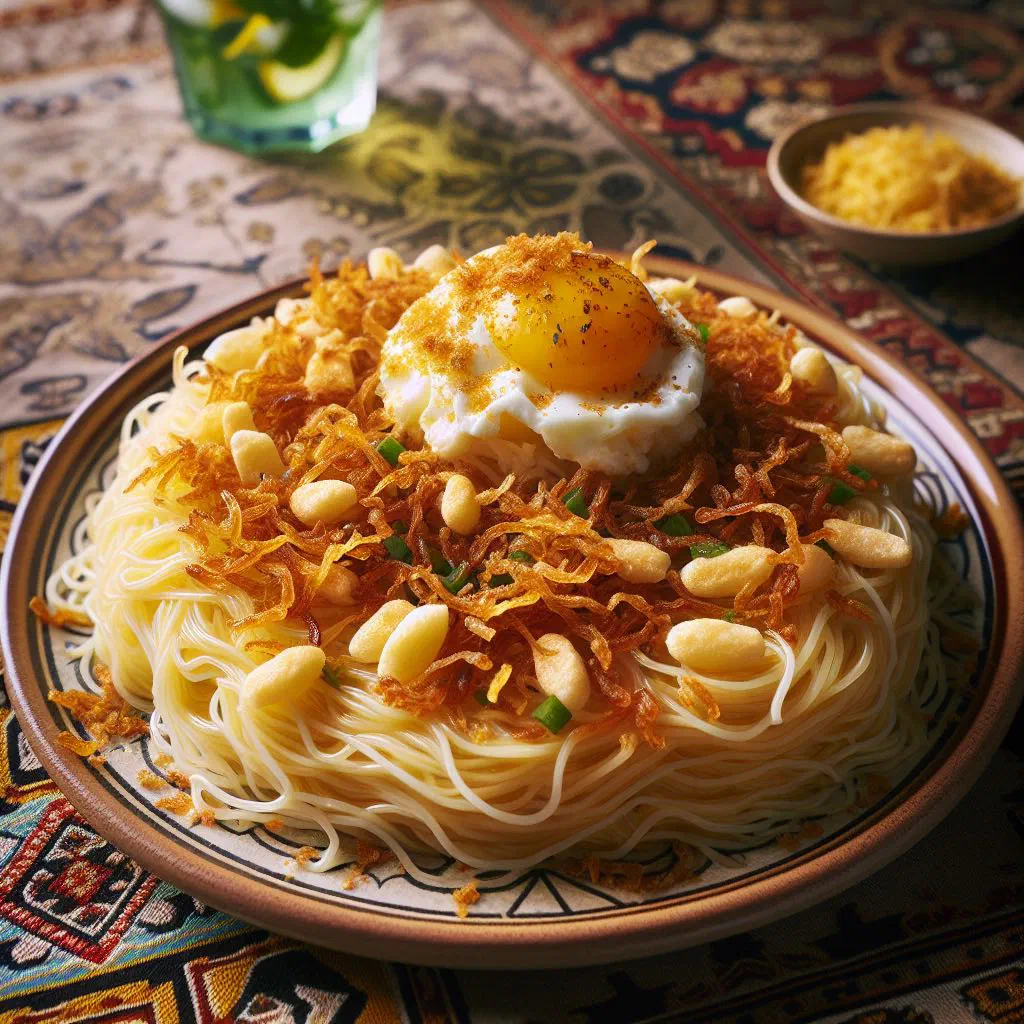
Discover Balaleet, one of Qatar’s most cherished breakfast dishes. It brings together sweet, cardamom-scented vermicelli and a soft layer of egg for a plate that is both sugary and savoury in the same mouthful. Gently spiced and quietly comforting, it is the sort of dish that turns a slow morning into a small celebration and offers a genuine taste of Middle Eastern cooking.
About Balaleet
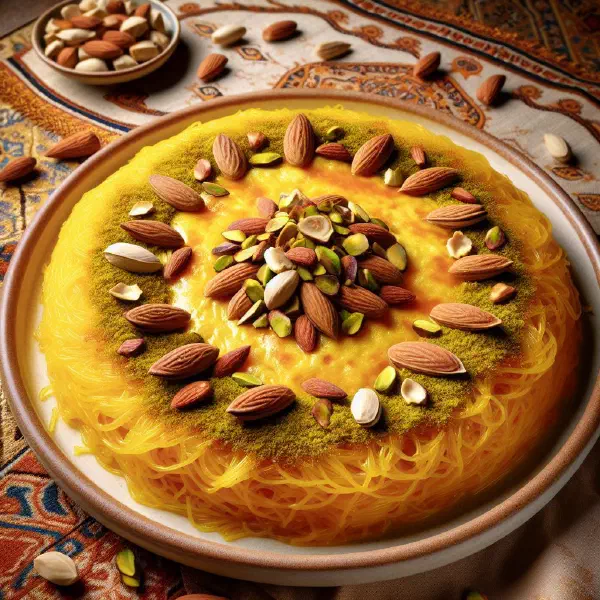
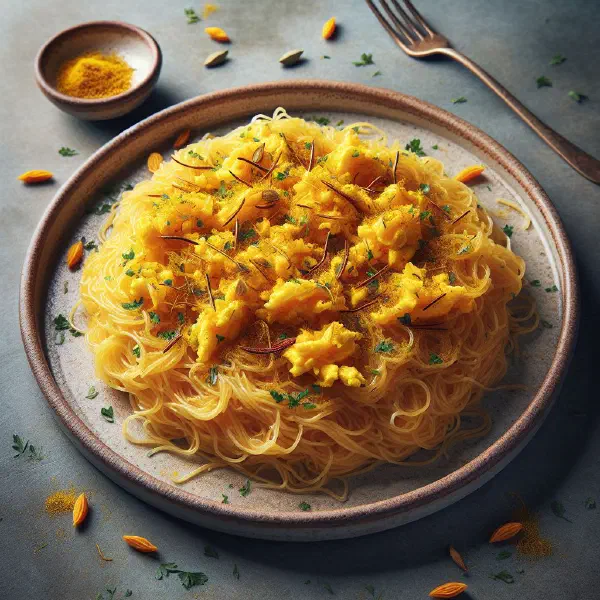
Balaleet is far more than a simple breakfast; it is a symbol of Qatari cooking. The dish pairs sweet vermicelli noodles with a delicate whisper of spice and a topping of tender scrambled egg. That interplay of sweet and savoury is exactly what makes balaleet so distinctive and memorable. Most often served at breakfast, it showcases the versatility of Qatar’s traditional kitchen and invites you to explore the wider flavours of the Middle East.
Ingredients (serves 1–2)
- 100 g vermicelli noodles
- 2 eggs
- 1 tablespoon sugar
- 1/2 teaspoon cardamom
- 1 tablespoon butter
- A pinch of salt
- A little water
Shopping for the ingredients
When shopping for balaleet, it really pays to look for good-quality produce. The vermicelli should be fresh so it cooks up soft and tender for the best result. Fresh spices are a must if you want to draw out the full aroma of the cardamom, and a good-quality sugar ensures the dish carries just the right sweetness, letting all the flavours blend together harmoniously.
Preparing the dish
Preparing balaleet is straightforward and genuinely enjoyable. Start by soaking the vermicelli noodles in warm water until they soften. While they steep, crack the eggs into a bowl and season them with a pinch of salt. Have the cardamom measured out and ready to hand too, so you can add its unique fragrance at just the right moment.
Step-by-step instructions
- Drain the vermicelli noodles and fry them gently in a pan with the butter.
- Add the sugar and cardamom, tossing well until the noodles are evenly coated.
- Whisk the eggs in a bowl and pour them into the pan.
- Let the eggs set over medium heat, then fold them carefully through the noodles.
- Serve the dish warm and enjoy.
Gluten-free / lactose-free version
For a gluten-free version, swap the usual vermicelli for a naturally gluten-free alternative such as rice noodles. These are easy to find and can be prepared in exactly the same way. For a lactose-free result, reach for plant-based butter or another dairy-free spread to achieve the same rich flavour. If you have particular dietary needs, take care to check that every ingredient meets them.
Tips for vegans and vegetarians
A vegan balaleet is simple to put together by replacing the eggs with a plant-based alternative such as chickpea flour. Whisk the chickpea flour with a little water to reach a consistency similar to beaten egg. Swap the butter for vegan margarine as well, and the dish becomes suitable not only for vegetarians but for vegans too, with no loss of its comforting character.
More tips and tricks
A few simple tips and tricks will help you perfect your balaleet. Experiment with other warm spices such as cinnamon or nutmeg to create new flavour combinations. A scattering of toasted nuts as a topping adds welcome texture and depth. Above all, keep a close eye on the heat so the eggs stay soft rather than drying out, keeping the whole dish pleasantly moist.
Adapting the recipe to your taste
Balaleet is easily shaped to suit your own personal preferences. Prefer it sweeter? Add a little more sugar or finish it with a drizzle of honey. If you lean towards the savoury, stir some finely diced vegetables such as onion or pepper through the noodles. These small adjustments give you the freedom to tailor your balaleet exactly to your liking.
Ingredient substitutions
Sometimes not every ingredient is close to hand, and that is where a few substitutions come in useful. In place of vermicelli, other fine pasta shapes work perfectly well. If you have no eggs, try a simple tofu scramble to recreate a similar texture, much like the plant-forward twists that suit a bowl of Mujadara. Options like these ensure you can still create a wonderful balaleet even when your cupboard is not fully stocked.
Drink pairing ideas
To round out the experience, several drinks pair beautifully with balaleet. A traditional Arabic Coffee sits alongside it wonderfully and heightens the flavours of the dish. A cup of spiced Karak Tea is another classic match, at once refreshing and gently sweet. For something fruit-forward, a cool smoothie also makes a lovely accompaniment that ties the meal together.
Serving and presentation ideas
Thoughtful presentation can lift the whole balaleet experience. Serve the dish in an attractive, deep bowl and garnish it with fresh herbs or a handful of toasted nuts. A squeeze of lemon juice adds a bright, fresh accent. Make the dish a highlight not only through its taste but through its inviting appearance too.
A bit of history
The story of balaleet is woven deep into Qatari culture. Over the decades it has become a much-loved fixture of the breakfast table, reflecting the nourishing and reviving spirit of the country’s cooking. Traditionally it drew on locally available ingredients, a reminder of how closely Qatari cuisine has always followed the region’s traditions and agricultural rhythms. Balaleet, then, is more than a meal. It is a piece of history and culture on a plate.
More recipe ideas
Summary: Balaleet
In short, balaleet is an indispensable part of the Qatari breakfast tradition. The dish offers a harmonious blend of sweet and savoury flavours that appeals to locals and visitors alike. With its simple preparation and its adaptability to a range of dietary needs, it makes an ideal introduction to the culinary world of Qatar. Give balaleet a try and let this delicious dish work its quiet magic on you.