National Dish Qatar: Balaleet with Saffron (Recipe)
In this article
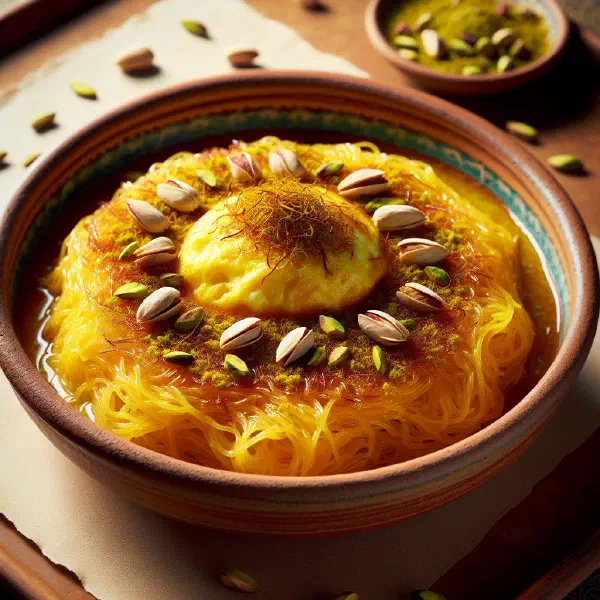
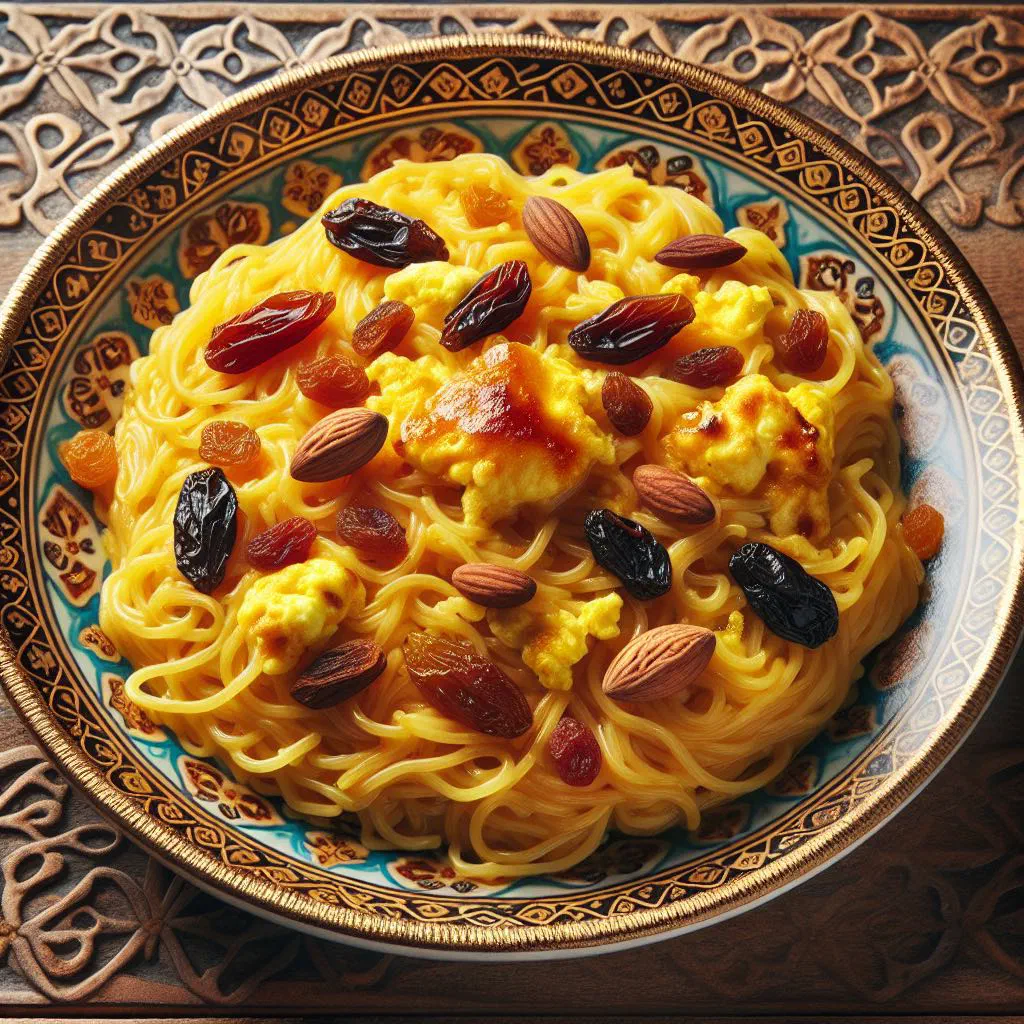
Discover Balaleet with Saffron, one of Qatar’s best-loved sweet treats. This delicate vermicelli dessert brings together fine strands of pasta, fragrant saffron and warming cardamom for a memorable taste of the Gulf. Enjoyed both as a special breakfast and as a dessert, it strikes a beautiful balance between sweetness and spice. Bring a touch of Qatari hospitality straight to your own kitchen.
About Balaleet with Saffron
Balaleet is a traditional national dish of Qatar with its roots firmly in Arabic cuisine. This sweet noodle dessert pairs tender vermicelli with aromatic saffron to create a memorable flavour. It is often served as a breakfast or as a dessert, prized for its fine balance between sweetness and warming spice. In many households the dish is prepared for special occasions and family gatherings, a way of celebrating Qatar’s rich cultural heritage.
Ingredients (serves 1–2)
- 100 g vermicelli
- 2 tablespoons butter
- 1/4 teaspoon saffron threads
- 50 g sugar
- 1/2 teaspoon ground cardamom
- Pine nuts, to garnish
- 1 pinch of salt
Shopping for the ingredients
To prepare balaleet, it is important to gather the right ingredients. Vermicelli is available in most well-stocked supermarkets or international grocery shops. Saffron, the defining spice of this dish, should be of good quality, as it lends both the characteristic flavour and the beautiful golden colour. The other spices, such as cardamom, can also be found in the spice aisle and add real aromatic depth to the finished dessert.
Preparing the dish
Making balaleet is relatively straightforward and takes only a few steps. First, the vermicelli should be cooked until soft and then drained. Meanwhile, the saffron can be soaked in a tablespoon of warm water to release its full aroma. This little bit of groundwork is key to working the flavours perfectly into the dish.
Step-by-step instructions
- Cook the vermicelli according to the packet instructions and drain.
- Heat the butter in a pan and add the cooked noodles.
- Add the soaked saffron, sugar, salt and ground cardamom, and mix well.
- Lightly toast the mixture for a few minutes until golden and the aromas have come through.
- Garnish with pine nuts and serve warm.
Gluten-free / lactose-free version
If you would like a gluten-free or lactose-free version of balaleet, you can use gluten-free noodles in place of the regular vermicelli. These are widely available in supermarkets these days. For the lactose-free variation, simply use vegan butter or margarine. Thanks to the spices and the saffron, the flavours remain just as delicious and authentic.
Tips for vegans and vegetarians
Balaleet is easy to veganise by swapping animal products for plant-based alternatives. Use plant-based butter or margarine instead of the usual butter, and make sure the noodles contain no egg. This lets vegans enjoy the dish without giving up on taste or texture. Plant-based sweeteners are also worth considering to keep the dessert a little lighter.
More tips and tricks
For the best results with balaleet, it helps not to overcook the noodles. They should stay slightly firm to keep a pleasant texture. Use your spices fresh to bring out the maximum aroma. You can also get creative when serving and arrange the dish in small bowls to reflect its traditional style.
Adapting the recipe to your taste
Balaleet is a wonderfully flexible dish that is easy to tailor to your personal preferences. You might add extra nuts or dried fruit such as raisins for more texture and flavour. Those who like it sweeter can add more sugar or try alternative sweeteners. Experiment with different spices such as cinnamon or cloves to give your balaleet an individual touch.
Ingredient substitutions
If you do not have certain ingredients to hand, there are plenty of alternatives you can use. Instead of vermicelli, try rice noodles; they offer a similar texture and take on the flavours well. If saffron is unavailable, turmeric can be used as a stand-in, though the taste is not identical. Sugar can also be replaced with honey or other sweeteners, according to your taste and dietary habits.
Drink pairing ideas
Several drinks make a lovely accompaniment to balaleet. A traditional Arabic Coffee or a spiced Karak Tea complements the sweetness of the dish beautifully. A refreshing mint tea can also be a welcome addition, especially when the dish is served for breakfast. The right pairing of drink and dessert makes for a harmonious taste experience.
Serving and presentation ideas
Presentation can noticeably lift the whole balaleet experience. Serve the dish on prettily decorated plates or in small bowls to add an elegant touch. A garnish of fresh mint leaves or edible flowers can enhance the visual appeal too. Do not forget to scatter the pine nuts evenly over the top to underline both flavour and colour.
A bit of history
The roots of balaleet reach deep into Arabic culture, where it is regarded as a symbol of hospitality. The dish is often served during festive occasions and speaks to the culinary richness of the region. Historically, balaleet brings together the influences of various kitchens that have met over the centuries in Qatar and across the Gulf. It is a cherished part of the region’s Qatari cuisine and its living cultural heritage.
More recipe ideas
Summary: Balaleet with Saffron
Traditional balaleet is very good that captures the culinary richness of Qatar. With its combination of tender noodles, aromatic saffron and a perfect balance of sweetness and spice, it offers a memorable taste experience. Balaleet brings a little of Qatar’s cultural flair straight into your kitchen. With its many options for adaptation and presentation, it is a dish that unites both flavour and tradition, turning every meal into something special.