National Dish Qatar: Regag Bread (Recipe)
In this article
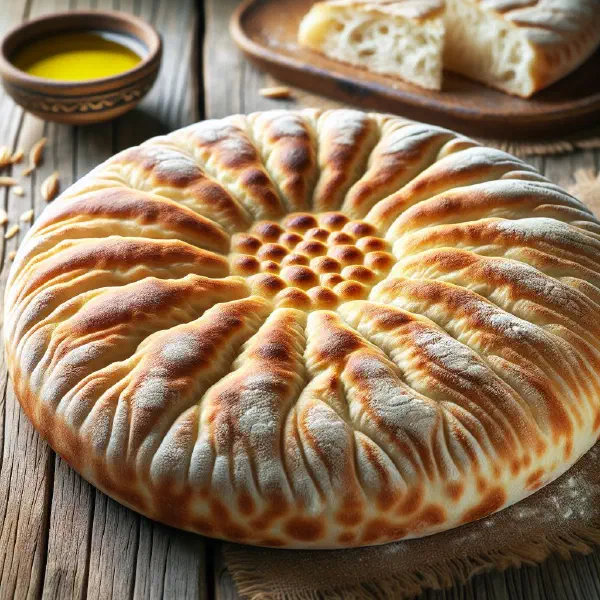
Discover Regag Bread, one of Qatar’s most cherished everyday breads. This wonderfully thin, crisp flatbread brings together the simplest of ingredients and a fuss-free method to create something genuinely versatile. Freshly cooked, it has a light, airy texture that makes it the ideal partner for hearty stews or a quick snack served with all manner of dips. Bring a taste of Qatar’s warm hospitality straight into your own kitchen.
About Regag Bread
Regag Bread is a traditional flatbread deeply rooted in the culinary heritage of Qatar. Its charm lies in the handful of simple ingredients it calls for and the wonderfully uncomplicated preparation. It is usually cooked fresh and has a light, airy texture that makes it an ideal accompaniment to many dishes. Regag Bread offers plenty of culinary possibilities, and sits comfortably beside other staples of Qatari cuisine.
Ingredients (serves 1–2)
- 250 g wheat flour
- 150 ml water
- 1 teaspoon salt
- 1 teaspoon olive oil
Shopping for the ingredients
When shopping for the ingredients for Regag Bread, it is worth paying attention to their quality. Good-quality wheat flour contributes a great deal to both the flavour and the texture of the bread. The salt should ideally be un-iodised so it does not mask the natural taste. Fresh water and a good olive oil likewise make for a better aroma and a particularly delicious result.
Preparing the dish
Preparing Regag Bread is quick and uncomplicated. Start by gathering all the ingredients so the process runs smoothly from the outset. It also helps to have a suitable work surface ready, on which the bread can be rolled out or spread thin. Weighing the ingredients accurately is important to guarantee the perfect consistency of the dough.
Step-by-step instructions
- Combine the flour, salt, water and olive oil in a bowl.
- Knead the dough well until it is smooth and pliable.
- Divide the dough into small portions and shape them into balls.
- Roll the dough balls out on a floured surface until they are about 5 mm thick.
- Heat a pan over medium heat and cook the flatbreads until golden brown.
Gluten-free / lactose-free version
To make Regag Bread gluten-free, you can use a gluten-free flour blend in place of wheat flour, choosing one that bakes well. There are also special mixes designed specifically for flatbreads. The recipe is naturally lactose-free thanks to the olive oil, so simply make sure every other ingredient is lactose-free too. The flavour of the bread stays intact, and it becomes enjoyable for a much wider audience.
Tips for vegans and vegetarians
Regag Bread is naturally vegan and vegetarian, as none of its ingredients contain animal products. That said, you can work extra herbs or spices into the dough to vary the flavour to your own liking. Fresh herbs such as coriander or parsley in particular lend the bread a special note. The bread also makes a wonderful base for vegan dips or spreads, much like the Hummus it so often accompanies.
More tips and tricks
For a perfect Regag Bread, it is important to heat the pan thoroughly, as this gives the crust a particularly crisp finish. Another useful trick is to wrap the flatbreads in a clean tea towel once cooked, so they stay warm and do not dry out. The dough can also be prepared ahead and kept in the fridge for a few hours, ready to be cooked fresh later.
Adapting the recipe to your taste
The recipe for Regag Bread is easy to tailor to personal preference. You might experiment with different flours, such as spelt or wholemeal, to give the bread a different texture and a more intense flavour. Equally, you can work additional ingredients like garlic powder or spice blends into the dough to give the flatbread an individual touch. Adjustments like these let you create your very own perfect flatbread.
Ingredient substitutions
If certain ingredients are unavailable, there are plenty of alternatives for making Regag Bread. In place of olive oil, for example, you could use coconut oil, which lends the bread an exotic note. For a gluten-free version, rice flour is a good option. You can also work with seasoned water to give the dough a little more flavour, in the same spirit as the fragrant Thareed that pairs so well with fresh bread.
Drink pairing ideas
A range of drinks suits Regag Bread and complements its flavour beautifully. A fresh yoghurt drink adds a refreshing note and harmonises well with the bread’s aromas. Arabic tea is another excellent choice, reflecting the traditional roots of the dish, as does a warming cup of Karak Tea. For a little variety, a sparkling mineral water can be served to refresh the palate.
Serving and presentation ideas
To present Regag Bread appetisingly, arrange the flatbreads on a large plate and surround them with a selection of dips. Hummus, baba ganoush or a crisp salad all make a lovely addition, as does a generous Mezze Platter. You could also cut the bread into neat triangles and offer it in a rustic bread basket or on a wooden board. A little fresh vegetable garnish turns the dish into a real centrepiece on any table.
A bit of history
Regag Bread has its origins in the traditional cuisine of Qatar and reflects the country’s cultural diversity and hospitality. Historically it was often eaten by Bedouins, who valued simple, nourishing foods on their journeys. The bread was frequently cooked over open fires, which gave it a distinctive, smoky flavour. Today Regag Bread is a firmly established part of Qatari food culture, enjoyed at countless celebrations and in everyday life alike.
More recipe ideas
Summary: Regag Bread
In short, Regag Bread is easy to prepare and a fundamental element of Qatari cooking. This traditional flatbread makes a superb accompaniment to a wide variety of dishes and can be adapted effortlessly to personal taste. With just a few ingredients and a little time, you can bring a delicious piece of Qatar into your own kitchen. Let the sheer range of preparation possibilities inspire you, and enjoy the warm hospitality this bread embodies.