National Dish Romania: Ciorbă de Miel (Recipe)
In this article
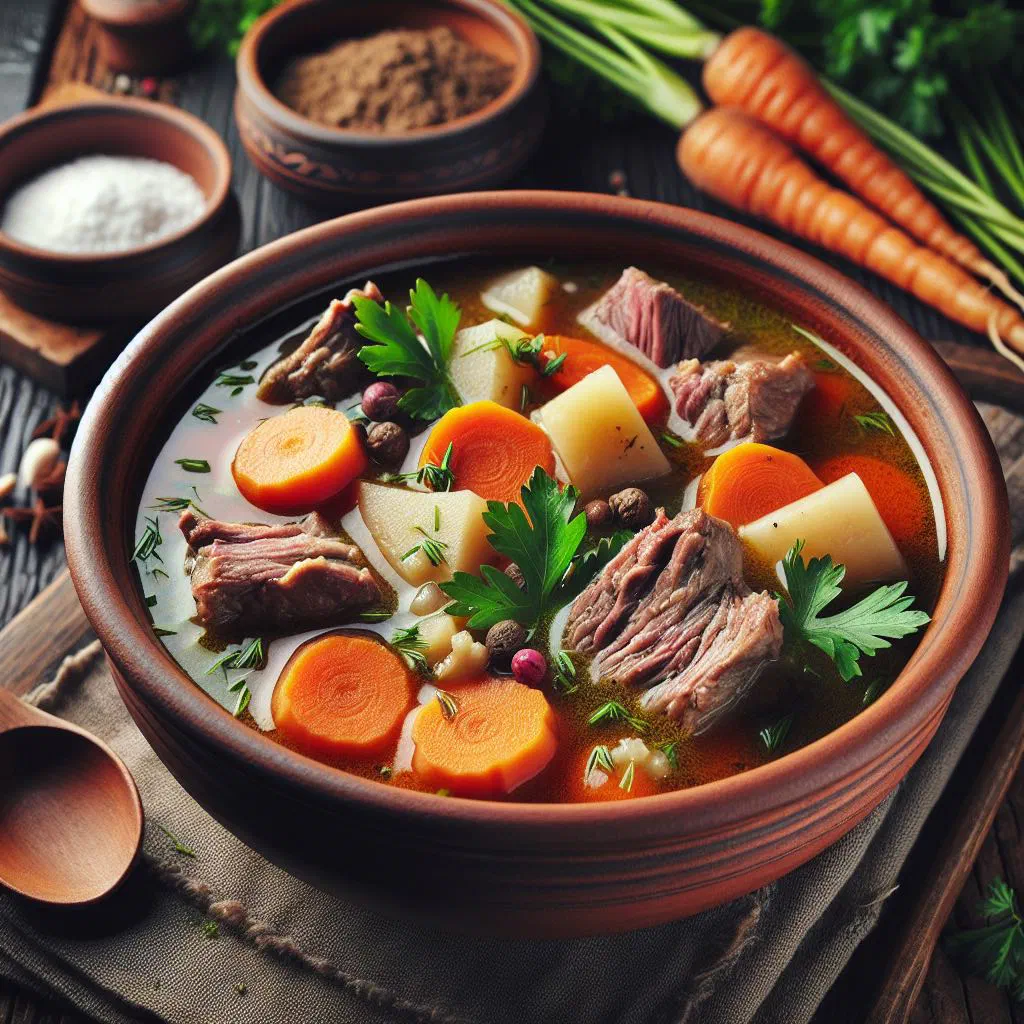
Discover Ciorbă de miel, a heart-warming Romanian lamb soup that brings the flavours and traditions of the country straight to your table. Tender pieces of lamb simmer gently with fresh vegetables and herbs, finished with the gentle tang that defines a proper Romanian ciorbă. Especially popular at Easter and on festive occasions, this soup carries all the warmth and hospitality of a Romanian kitchen. Serve it to your guests and let a beloved classic do the talking.
About Ciorbă de Miel
Ciorbă de miel is far more than a simple bowl of soup. It is a much-loved Romanian dish, prepared above all at Easter and for special family celebrations. The combination of tender lamb, fresh herbs and the characteristic gentle sourness makes it a genuine treat for the palate. The dish reflects the heart of Romanian cooking and offers a wonderful way to keep family traditions alive around the dinner table. Every spoonful carries the warmth and generosity for which Romanian hospitality is known.
Ingredients (serves 1–2)
- 400 g lamb (shoulder works well)
- 1 large onion
- 2–3 carrots
- 1 stick of celery
- 150 g fresh parsley
- Juice of 1–2 lemons, or 2–3 tablespoons vinegar
- 1 litre water
- Salt and pepper, to taste
- Optional: 1–2 potatoes
Shopping for the ingredients
When shopping for Ciorbă de miel, it is well worth paying attention to the quality of the lamb. Fresh meat has a lighter colour and a mild aroma. Visit a local butcher or market to make sure you get the best cut. Choose your fresh herbs and vegetables with the same care, so their flavours come through at their brightest in the finished soup.
Preparing the dish
Preparing Ciorbă de miel starts with washing and chopping the fresh ingredients thoroughly. Cut the lamb into cubes, and slice the vegetables into small pieces or rings. Roughly chop the herbs so they release their aroma during cooking. It is also a good idea to have your lemon juice or vinegar ready to hand, so you can add the tang at just the right moment later on.
Step-by-step instructions
- Bring the lamb to the boil in a large pot of water.
- Carefully skim off the foam that rises to the surface as it cooks.
- Add the onion, carrots and celery and let everything simmer for around 30 minutes.
- Stir in the chopped herbs and, if using, the potatoes.
- Continue to simmer for a further 20–30 minutes, until the vegetables are tender.
- Season with lemon juice or vinegar and adjust with salt and pepper to taste.
Gluten-free / lactose-free version
Ciorbă de miel is naturally gluten-free and lactose-free, since none of the main ingredients contain gluten or dairy. To keep the dish free of hidden allergens, use fresh, unpackaged ingredients wherever you can. The broth, made from scratch, contains no gluten-based thickeners either. This makes the soup an ideal choice for anyone with the relevant intolerances, with no compromise on flavour.
Tips for vegans and vegetarians
There are plenty of creative alternatives to the traditional Ciorbă de miel for vegans and vegetarians. In place of lamb, use seasonal vegetables such as courgettes, aubergines and mushrooms for a hearty base, much like a lighter Ciorbă de Legume. To deepen the flavour, add pan-fried tofu or a good vegetable stock. Fresh herbs and spices are key to keeping the soup’s distinctive character intact.
More tips and tricks
A few simple touches will make your Ciorbă de miel even more delicious. Use fresh herbs such as dill or tarragon to lend the dish extra layers of aroma. Let the soup simmer a little longer so the flavours have time to develop fully. Taste and adjust the seasoning as you go. Every cook has their own idea of the perfect balance of tang and warmth. A slice of fresh bread on the side rounds off the experience beautifully.
Adapting the recipe to your taste
Ciorbă de miel is easy to tailor to personal preference. If you like a bit of heat, add chilli or a pinch of cayenne pepper. For a creamier texture, stir in a little cream or coconut milk during cooking. The choice of vegetables can vary too, so feel free to reach for leeks or parsnips. Small changes like these let you shape the dish in your very own way.
Ingredient substitutions
If some ingredients for Ciorbă de miel are hard to come by, there are always alternatives. Shallots or leeks can stand in for the onion to give a slightly different flavour. In place of fresh lamb you might use chicken or beef to suit your taste, the chicken version leads naturally towards a Ciorbă de Pui. Experiment with different herbs, such as thyme or rosemary, for a more personal touch.
Drink pairing ideas
The right drink can round off the pleasure of Ciorbă de miel perfectly. A dry white wine or a light rosé harmonises wonderfully with the soup and complements its flavours. A refreshing mineral water with a hint of citrus also supports the dish nicely. For those who prefer to avoid alcohol, a herbal tea makes an excellent companion.
Serving and presentation ideas
Presentation is an important part of any dish, and Ciorbă de miel is no exception. Serve the soup in deep plates or generous bowls, garnished with fresh herbs. A squeeze of lemon juice just before serving lifts the whole dish. Finishing with larger sprigs of herbs or a swirl of cream adds that certain something and whets the appetite.
A bit of history
Ciorbă de miel has a long tradition in Romanian cooking and is often served during religious feasts. The soup symbolises the celebration of Easter and a deep appreciation for natural ingredients and hearty home cooking. Each recipe is passed down from generation to generation, with every family adding its own small variations, giving the dish a firmly rooted cultural meaning. Today it is a must in any Romanian restaurant and a cherished part of Romanian cuisine.
More recipe ideas
Summary: Ciorbă de Miel
Ciorbă de miel is a splendid example of Romanian culinary craft. With its unique flavour and its warm-hearted preparation, it brings the family together and invites guests to dive into the rich traditions of Romanian cooking. This dish is nourishing as well as endlessly adaptable, letting everyone add their own personal touch. Take the opportunity to cook this delicious soup yourself and share a little of Romania’s food culture with your guests.