National Dish Romania: Cozonac cu Nucă (Recipe)
In this article
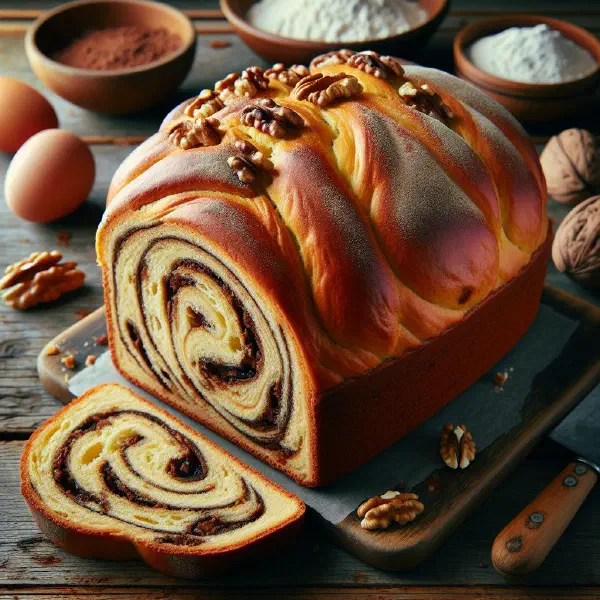
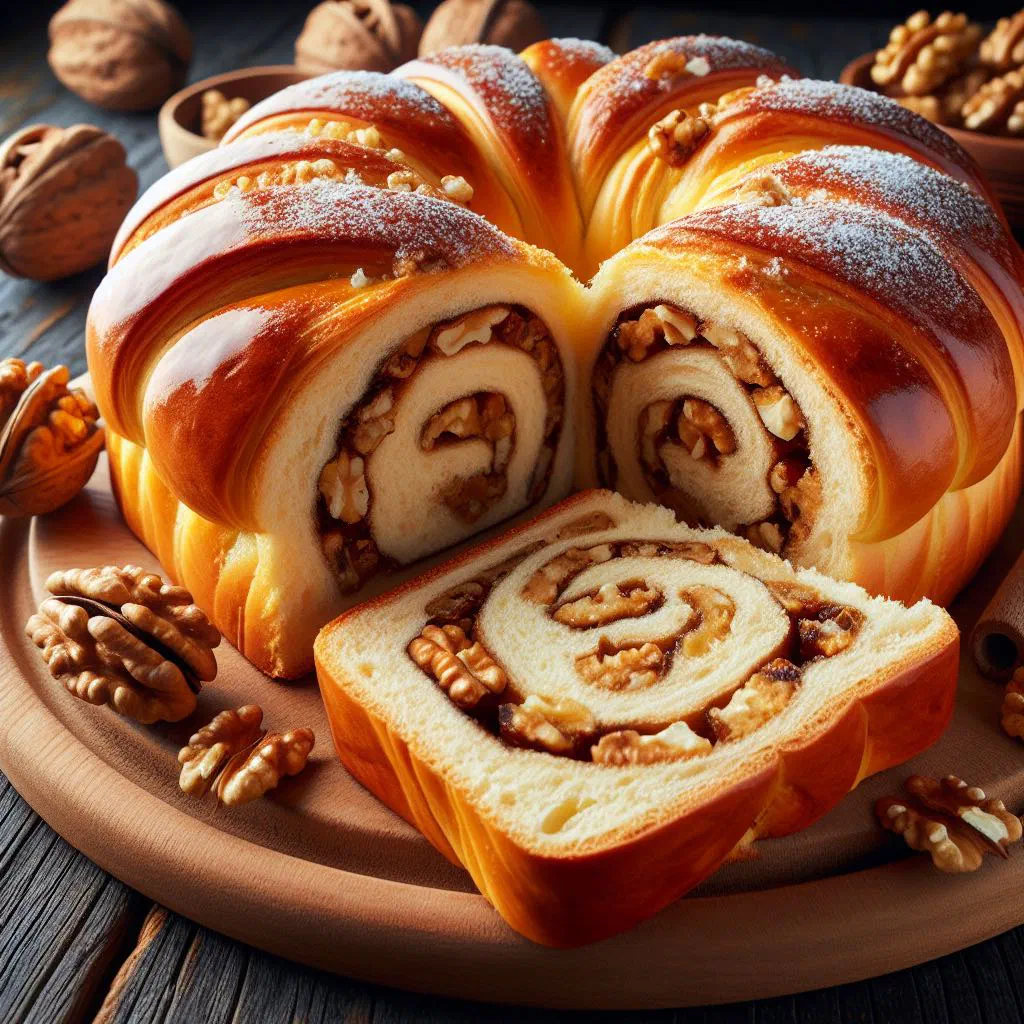
Discover Cozonac cu Nucă, one of Romania’s most cherished festive bakes. This traditional sweet yeast bread wraps a rich swirl of walnuts and fragrant vanilla inside a soft, golden crumb. Baked above all at Christmas and for special celebrations, it is far more than a treat. It is a symbol of family, warmth and tradition, lovingly passed from one generation to the next. Every slice offers a taste of home and an invitation to gather round the table.
About Cozonac cu Nucă
Cozonac cu Nucă is a traditional Romanian sweet yeast bread, especially beloved during the Christmas season and at festive occasions. With its crisp golden crust and a generous filling of walnuts and vanilla, it showcases the culinary richness of Romania while standing as a symbol of family bonds and tradition. The bake has a long history and is often handed down from generation to generation, which makes it a special part of Romanian culture. Every bite is a piece of home and an invitation to enjoy good company together.
Ingredients (serves 1–2)
- 500 g flour
- 300 ml milk
- 150 g sugar
- 3 eggs
- 100 g butter
- 7 g dried yeast
- 200 g walnuts, chopped
- 1 sachet vanilla sugar
- A pinch of salt
Shopping for the ingredients
When shopping for the ingredients for cozonac cu nucă, it is worth choosing fresh, good-quality produce. Pay particular attention to the walnuts, which should be fresh and crunchy, as they shape the flavour of the bake so decisively. The yeast should also be fresh to guarantee a lively rise. Many Romanians prefer to buy their ingredients at local markets to support those traditional flavours.
Preparing the dish
Preparing cozonac cu nucă is straightforward but calls for a little patience. Start by dissolving the yeast in lukewarm milk with a pinch of sugar, then leave the mixture to rest for around 10 minutes until it foams. In the meantime, combine the walnuts with sugar and vanilla sugar to create the perfect filling ready for baking.
Step-by-step instructions
- Mix the yeast with the milk and sugar in a bowl and leave to rest for 10 minutes.
- Put the flour, salt, eggs and melted butter into a large bowl.
- Add the yeast-and-milk mixture to the dry ingredients and knead into a smooth dough.
- Cover the dough and leave it to rise in a warm place for about 1 hour.
- Roll the dough out on a floured surface and spread it with the walnut mixture.
- Roll the dough up and place it in a greased loaf tin.
- Cover again and leave to prove for a further 30 minutes.
- Preheat the oven to 180°C and bake for 40–50 minutes.
Gluten-free / lactose-free version
For a gluten-free version, use a blend of gluten-free flour designed specifically for baking. To make it lactose-free, swap the butter for plant-based margarine and the milk for lactose-free milk. It is important to check every ingredient carefully to be sure of a delicious result. Even then, the techniques of kneading and proving the dough remain much the same.
Tips for vegans and vegetarians
Cozonac cu nucă is easy to adapt for vegans by replacing the eggs with apple purée or flaxseed. The butter can be swapped for a vegan margarine, and the milk for oat or almond milk. These changes affect the texture of the bread a little, but the essential flavour profile stays intact. The sugar can also be replaced with a vegan sweetener if you prefer.
More tips and tricks
An important tip for an especially moist cozonac is to use good-quality flour and to follow the proving times closely. Make sure the dough does not over-prove, or it may lose its structure. To give the bake an extra layer of flavour, spices such as cinnamon or nutmeg can be added to the walnut filling. Experimenting with different nuts, such as hazelnuts or almonds, can also bring interesting variations.
Adapting the recipe to your taste
The wonderful thing about cozonac cu nucă is its versatility. Depending on personal taste, different fillings can be added, such as chocolate chips or dried fruit. The amount of sugar can be reduced or increased to suit your preference too. For an exotic touch, you can flavour the walnuts with a hint of rum to make the bread even more appealing.
Ingredient substitutions
If certain ingredients are not to hand, there are plenty of alternatives. The butter, for example, can be replaced with a mix of oil and apple purée for a lighter version. Instead of walnuts you can use pecans or almonds, whichever you prefer. The filling can be adapted experimentally too, lately even vegan chocolate chips have become very popular. The same nutty richness shines in Cornulete Cu Nuca.
Drink pairing ideas
To round off the experience with cozonac cu nucă, a few drinks work beautifully. A fruity punch or a hot chocolate pairs wonderfully with this sweet bread. For adults, an aromatic coffee or a light dessert wine is an exquisite choice that complements the flavours of the bake. A small glass of Romanian wine can also make the perfect finish to a festive meal.
Serving and presentation ideas
The presentation of cozonac cu nucă can add a great deal to the sense of occasion. Serve the bread on a beautiful wooden board or a handcrafted plate to emphasise its traditional character. A light dusting of icing sugar or a scattering of walnuts makes it even more inviting. A pretty bunch of fresh flowers alongside can complete the picture.
A bit of history
Cozonac cu nucă has its origins in the rural traditions of Romania. This delicious bread was originally prepared in times of plenty and marked the beginning of festivities. Its preparation often became a family affair, with members coming together to knead the dough and prepare the filling. It reflects the cultural influences of the region and is still baked today with love and devotion, much like other treasures of Romanian cuisine.
More recipe ideas
Summary: Cozonac cu Nucă
In summary, cozonac cu nucă is an indispensable part of Romanian culture. With its elegant combination of flavour and tradition, this bread brings life to every celebration. Whether at Christmas or on another festive occasion, its appealing filling and golden-brown crust make it a favourite for many. Give it a try and bring a piece of Romanian culture to your own table.