National Dish Romania: Pâine de casă (Recipe)
In this article
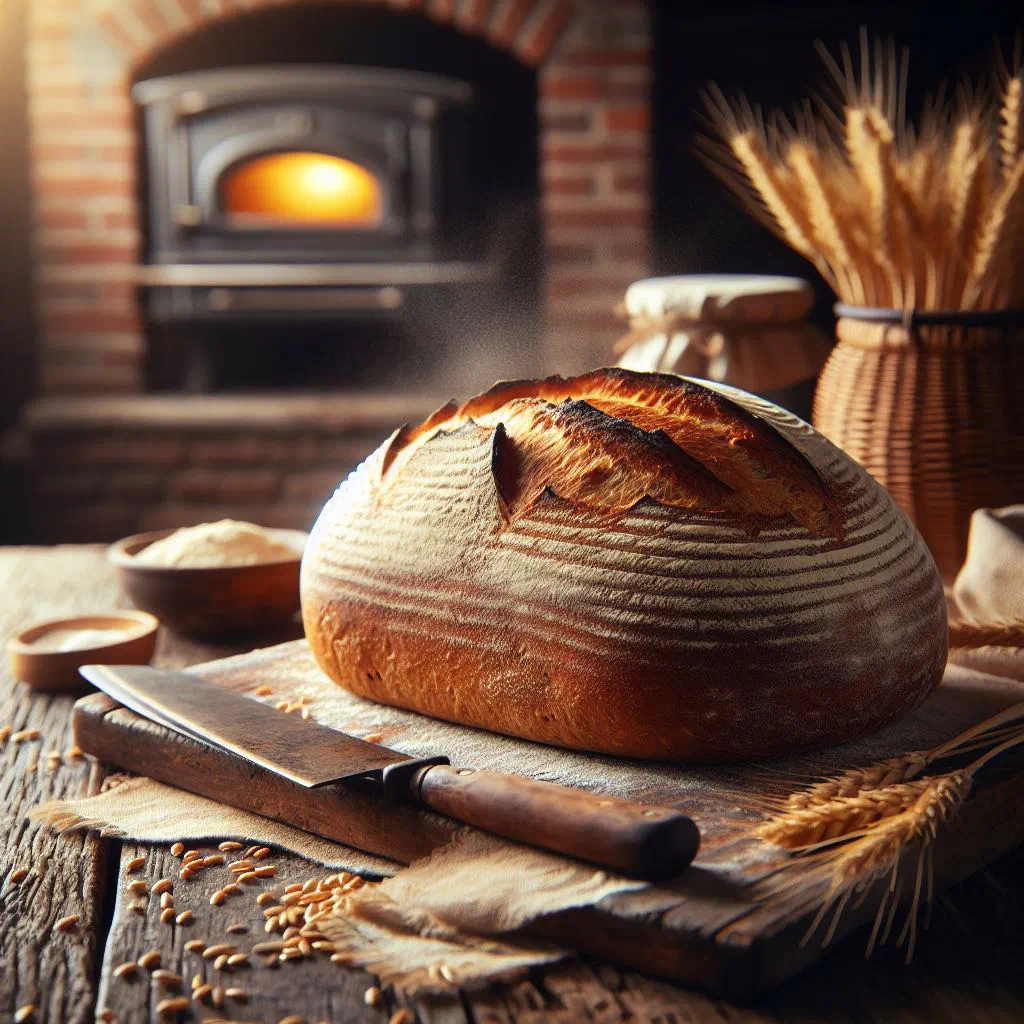
Meet Pâine de casă, the humble homemade loaf that sits at the heart of the Romanian table. With its deeply golden, crackling crust and a light, airy crumb, this rustic bread is the sort of thing you tear into while it is still warm. The recipe asks for little more than flour, yeast and patience, yet the reward is a loaf that carries genuine, old-fashioned flavour. Bring the aromas of a Romanian kitchen straight into your own home.
About Pâine de casă
Pâine de casă is a wonderful homemade bread regarded as a staple food in countless Romanian households. It is served alongside all manner of dishes and plays a central role in Romanian food culture. The recipe is simple, the ingredients are easy to find, and the result is quite simply delicious. A crisp, crackling crust gives way to a fluffy, aromatic crumb that appeals to the palate and makes an excellent base for all sorts of toppings.
Ingredients (serves 1–2)
- 500 g wheat flour
- 300 ml lukewarm water
- 1 cube fresh yeast (42 g)
- 1 teaspoon salt
- 1 teaspoon sugar
- 2 tablespoons olive oil
Shopping for the ingredients
To bake the perfect Pâine de casă, it is worth choosing good-quality ingredients. Be sure to buy fresh yeast, as this is what gives the bread its rise. You should also pick a good wheat flour to achieve the ideal texture. Visit a local market or a specialist shop to track down the best products to match your expectations.
Preparing the dish
Preparing Pâine de casă begins with activating the yeast. Dissolve it in the lukewarm water with the sugar and leave it to stand for around 10 minutes, until it foams. Meanwhile, tip the flour into a large bowl and mix in the salt. This makes sure the yeast is evenly distributed, which leads to an even, delicious loaf.
Step-by-step instructions
- Add the yeast to the lukewarm water with the sugar and leave to stand for 10 minutes.
- Put the flour and salt into a large bowl and mix well.
- Add the yeast mixture and the olive oil to the flour.
- Combine everything thoroughly until a smooth, uniform dough comes together.
- Turn the dough out onto a floured work surface and knead for about 10 minutes, until supple.
- Place the dough in an oiled bowl, cover it, and leave it to rise in a warm spot for about 1 hour.
- Knead the risen dough again, shape it, and place it on a baking tray.
- Let the bread prove for a further 30 minutes and, in the meantime, preheat the oven to 220 degrees Celsius.
- Bake the bread for around 30–35 minutes, until golden brown.
- Allow to cool before serving.
Gluten-free / lactose-free version
To make Pâine de casă gluten-free, simply swap the wheat flour for a gluten-free flour blend. Take care that the ingredients you use are free from any gluten contamination. As for a lactose-free version, the recipe is already lactose-free, since it relies on olive oil. Even so, do check the labels for any hidden sources of lactose.
Tips for vegans and vegetarians
For vegans, Pâine de casă is an ideal choice, as the recipe is naturally animal-free. Simply steer clear of any ingredients linked to animal products. If you would like to adapt the bread, you can fold in various creative additions such as seeds or dried herbs to vary the flavour. Tweaks like these make the bread tastier and add extra nutrients.
More tips and tricks
A key tip for bread baking is the resting time of the dough. Give it plenty of time to rise, as this is what makes the loaf so light. On top of that, you can place a dish of water in the oven while the bread bakes for an even crustier finish. Experiment, too, with different liquids such as stock in place of water to lend the bread an added dimension of flavour.
Adapting the recipe to your taste
The recipe for Pâine de casă is easy to adjust to personal preference. Experiment with different types of flour, such as wholemeal or spelt, to discover fresh flavours and textures. Beyond that, you can also add ingredients like olives or nuts to give the bread a special touch. Adaptations like these let you turn the loaf into a genuine personal favourite, much as a good Paine Cu Untura does with a simple layer of dripping.
Ingredient substitutions
If some of the main ingredients are unavailable or need replacing, there are plenty of alternatives. Instead of fresh yeast, you can use dried yeast, reducing the quantity to about a third of the amount given. In place of olive oil, you can reach for other vegetable oils such as sunflower or rapeseed oil.
Drink pairing ideas
To round off the experience of Pâine de casă, give some thought to matching drinks. A freshly pressed fruit juice or a glass of beer goes beautifully with this hearty side of bread. A fine red wine can support the flavours of the loaf too, giving you the feeling of stepping into a traditional Romanian kitchen. Alternatively, a simple glass of water or a herbal tea makes a refreshing choice.
Serving and presentation ideas
The presentation of your Pâine de casă can lift the whole eating experience. Serve the bread on a rustic wooden board, perhaps with a selection of dips or spreads such as olive oil or herb butter. Adding fresh herbs or arranging the bread in neat slices can create visual appeal too. An attractive presentation will impress your guests and turn the meal into a special occasion. It pairs especially well with a warm bowl of Mamaliga.
A bit of history
The roots of Pâine de casă reach deep into Romanian history. It is often seen as a symbol of hospitality and family tradition. In many Romanian households the bread is baked by traditional methods in wood-fired ovens, which gives it a memorable aroma. It reflects the culinary heritage and the values and traditions held dear in Romanian society, and it belongs firmly among the classics of Romanian cuisine.
More recipe ideas
Summary: Pâine de casă
Pâine de casă is not merely a simple homemade bread but a piece of Romanian culture and tradition. With its crisp crust and its light, fluffy crumb, it is the perfect companion to many a meal. Baking and savouring this bread brings joy and togetherness into any home. With this recipe you can bring the authentic taste of Romania straight into your own kitchen and experience the flavours of tradition for yourself.