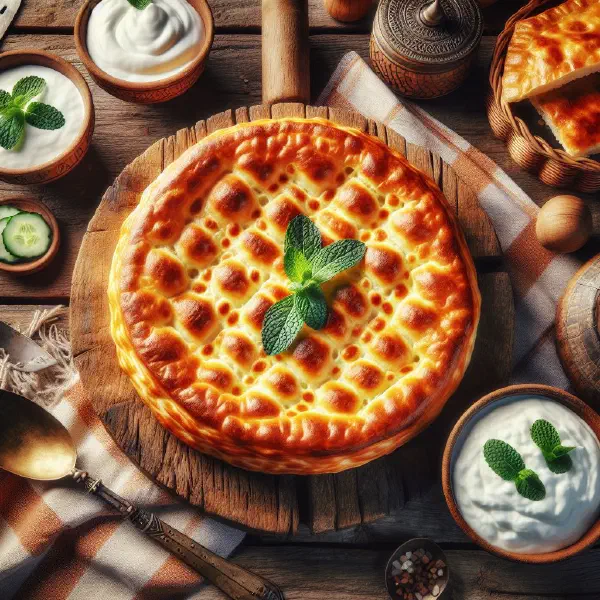
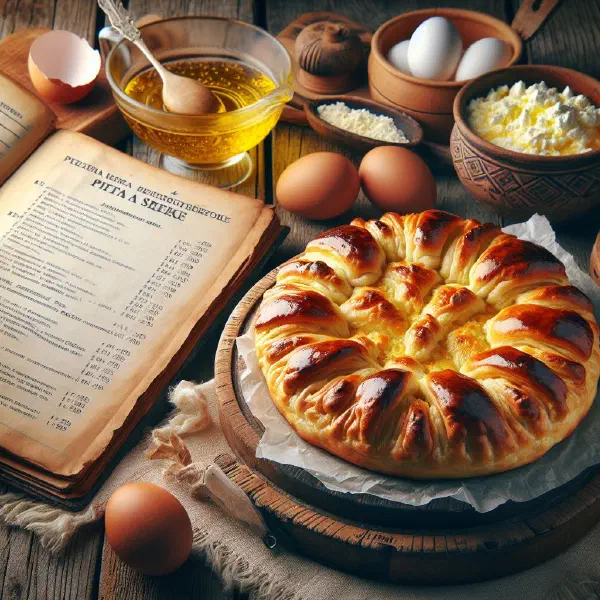
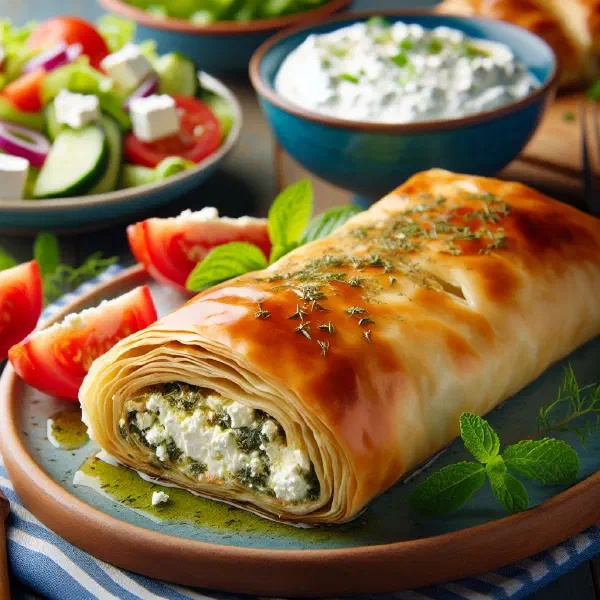
National Dish Romania: Plăcintă cu brânză (Recipe)
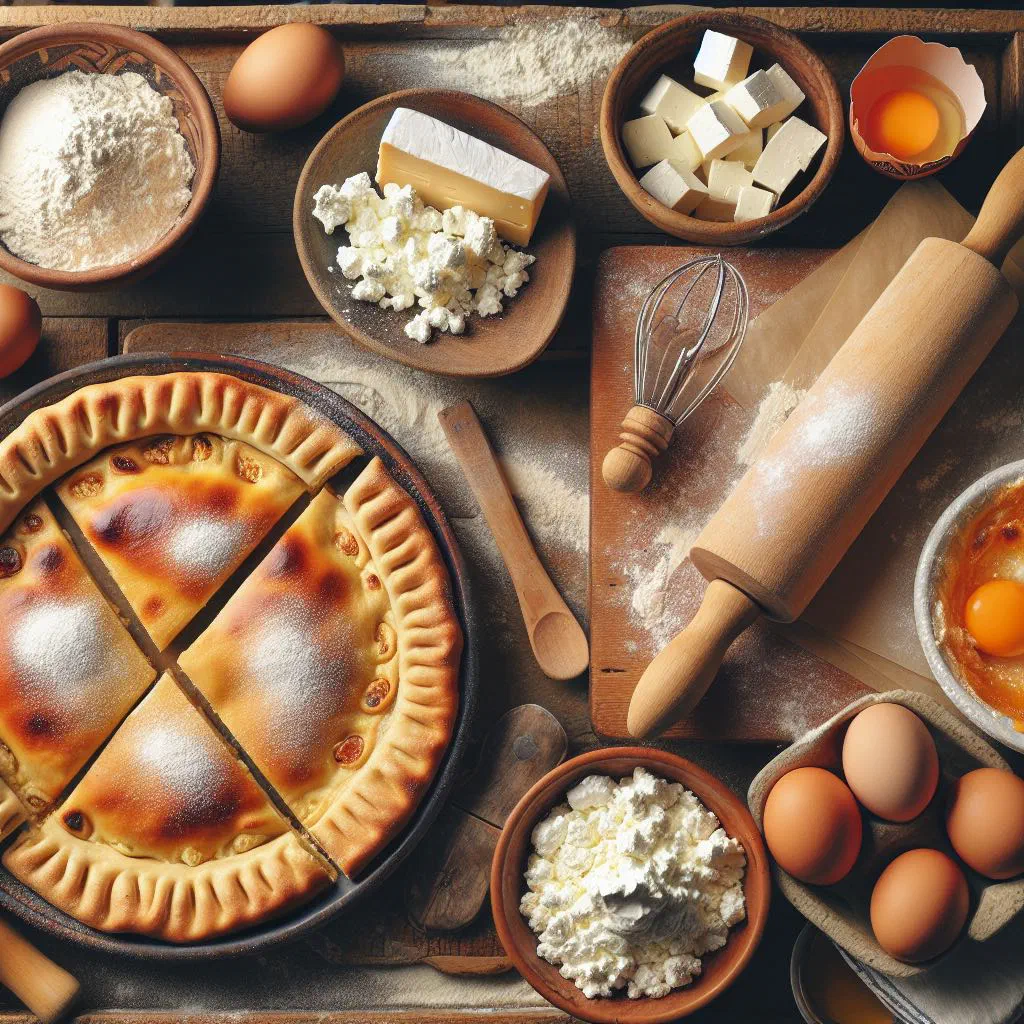
In this article
Discover Plăcintă cu brânză, a much-loved treat from the heart of Romania. These golden little cheese pastries wrap a crisp, tender dough around a soft, creamy filling flecked with fresh herbs. Equally at home served warm from the pan or cold as a snack for later, they are a true symbol of Romanian hospitality. Bring the comforting flavours of a Romanian farmhouse kitchen straight to your own table.
About Plăcintă cu brânză
Plăcintă cu brânză is a delicious Romanian dish that has won over countless hearts. This traditional cheese pastry is prized for its delicate flavour and for its remarkable versatility. It can be served warm or cold and suits all kinds of occasions, whether as a quick snack between meals or as a main dish for a special celebration. More than that, it is a genuine emblem of Romanian culture and the warm welcome for which the country is known.
Ingredients (serves 1–2)
- 250 g flour
- 125 ml water
- 1 tsp salt
- 500 g fresh cheese (such as feta or ricotta)
- 2 eggs
- 2 tbsp fresh herbs (such as dill or parsley)
- Pepper to taste
- Oil for frying
Shopping for the ingredients
To make Plăcintă cu brânză at its best, it is important to choose fresh, good-quality ingredients. Head to a local market or a well-stocked supermarket to find fresh cheese and herbs. Pay particular attention to the flour. It should be finely milled and of the best quality to guarantee a crisp, tender dough. The cheese can often be bought from a specialist dairy, where it tends to have a memorable flavour.
Preparing the dish
Before you start making Plăcintă cu brânză, gather and prepare all of your ingredients. First, wash and finely chop the herbs before mixing them with the cheese and eggs. The dough should be prepared too, combining flour, water and salt until it reaches a smooth consistency. Then let the dough rest for around 30 minutes so it becomes more elastic and easier to work with.
Step-by-step instructions
- Combine the flour, water and salt in a bowl and knead into a smooth dough.
- Wrap the dough in cling film and leave it to rest for 30 minutes.
- In a separate bowl, mix the cheese with the eggs, fresh herbs and pepper.
- Roll out the dough and cut it into equal-sized squares.
- Place a spoonful of the cheese mixture in the centre of each square.
- Fold the edges of the dough over and press firmly to seal.
- Heat oil in a pan and fry the pastries until golden brown on both sides.
- Drain the finished plăcintă on a piece of kitchen paper and serve warm.
Gluten-free / lactose-free version
For a gluten-free version of Plăcintă cu brânză, you can use gluten-free flour, available from specialist shops. To make it lactose-free, choose lactose-free cheese or a blend of almond or soya cheese for the filling. These alternatives preserve the character of the dish while making it enjoyable for anyone with particular dietary needs. Just make sure that all the other ingredients are gluten- and lactose-free too.
Tips for vegans and vegetarians
Vegan versions of Plăcintă cu brânză can be made with a mixture of firm tofu, plant-based milk and nutritional yeast to achieve a creamy consistency. Herbs such as basil or oregano make the dish even more aromatic. If you are vegetarian, choose free-range eggs to keep the ethical side of your cooking in mind. Experiment with different vegetables to create your own variations of the dish.
More tips and tricks
To make Plăcintă cu brânză a little lighter, the pastries can be baked in the oven rather than fried in a pan. This reduces the amount of fat and makes the dish healthier. Another tip is to add a splash of lemon juice to the cheese mixture, which brings a fresh, bright note. You can also grind a little fresh black pepper over the finished pastries to intensify the flavour.
Adapting the recipe to your taste
If you are not keen on certain types of cheese, the filling is easy to adjust. Goat’s cheese or ricotta make equally delicious alternatives. When it comes to herbs, dried varieties are just as tasty, and you can also experiment with different spices to discover new flavours. The dough, too, can be made more wholesome by using wholemeal or spelt flour.
Ingredient substitutions
If certain ingredients are not to hand, there are plenty of creative options. A milder or sharper cheese changes the character of the filling entirely, while a mix of soft cheeses gives a richer result, much like the tender filling in Coltunasi Cu Branza. For the herbs, swap fresh for dried, or try a different blend. Substitutions like these help you adapt the recipe to what is in season or to your own preferences.
Drink pairing ideas
Plăcintă cu brânză pairs beautifully with a range of drinks. A fresh salad with a light dressing and a glass of white wine make an excellent accompaniment. A watermelon and mint mocktail or a homemade iced tea also go well with this dish. For a traditional touch, a glass of pear or grape juice rounds off the flavour experience nicely.
Serving and presentation ideas
An attractive presentation can lift the whole Plăcintă cu brânză experience considerably. Arranging the pastries on a rustic wooden board with fresh herbs and a slice of lemon creates a lovely contrast of colour. Small dishes of dips such as yoghurt or a garlic cream add extra flavour and variety. Use colourful plates to make the dish stand out visually and catch the attention of your guests.
A bit of history
Plăcintă cu brânză has its roots in rural Romanian cooking and is often described as a grandmother’s dish. It is a symbol of tradition and of the connection to nature, as many of the ingredients are grown locally. The preparation varies from region to region and from family to family, reflecting a wonderful cultural diversity that runs through all of Romanian cuisine. Over the years this dish has made a name for itself not only in Romania but in other parts of the world too.
More recipe ideas
Summary: Plăcintă cu brânză
Plăcintă cu brânză is a delicious dish and a culturally significant one, holding a central place in Romanian cooking. Its straightforward preparation, combined with the versatility of the filling, means anyone can enjoy this speciality, whatever their dietary preferences. Let the rich flavours of Romanian cooking inspire you and try Plăcintă cu brânză for yourself, pair it with a warm bowl of Placinta Cu Mere for a sweet finish.