National Dish Romania: Tochitură Moldovenească (Recipe)
In this article
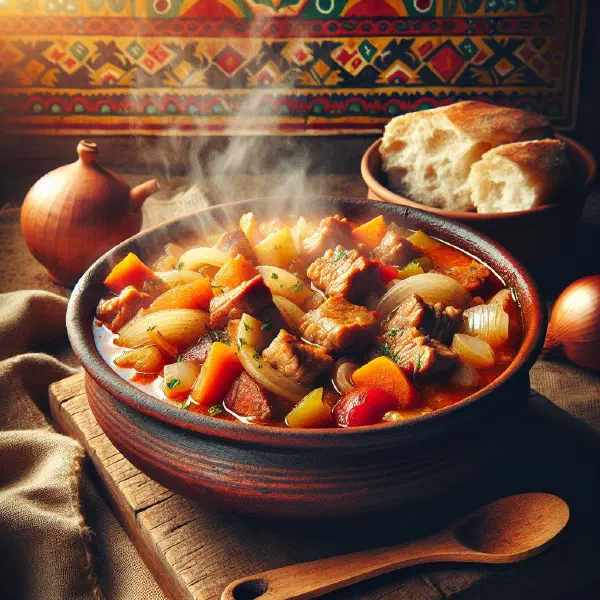
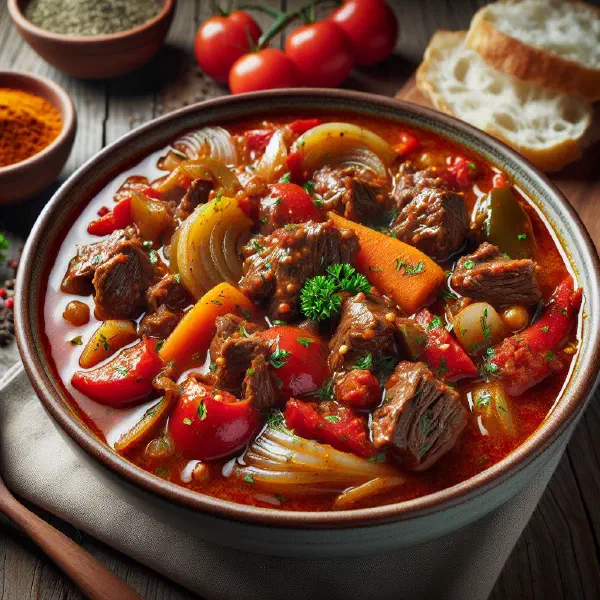
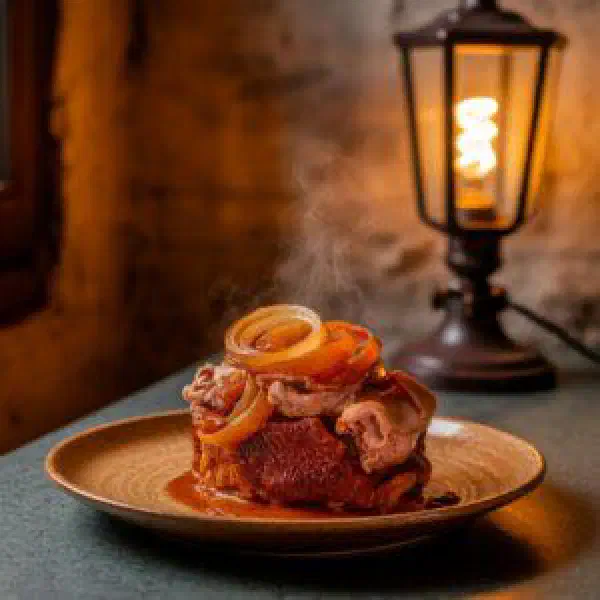
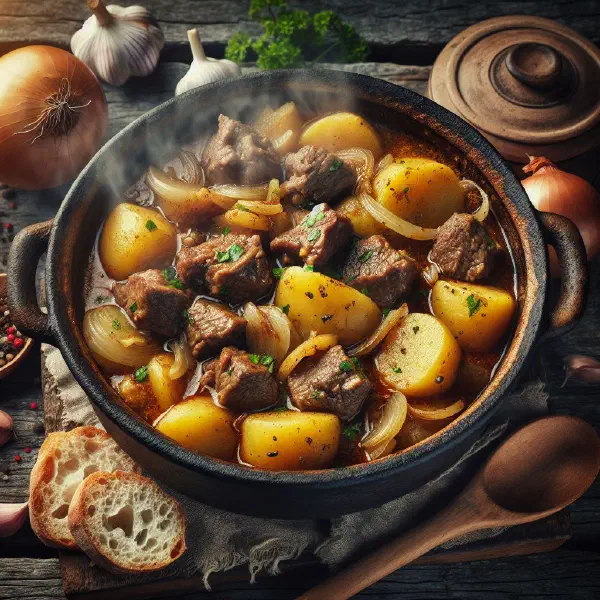
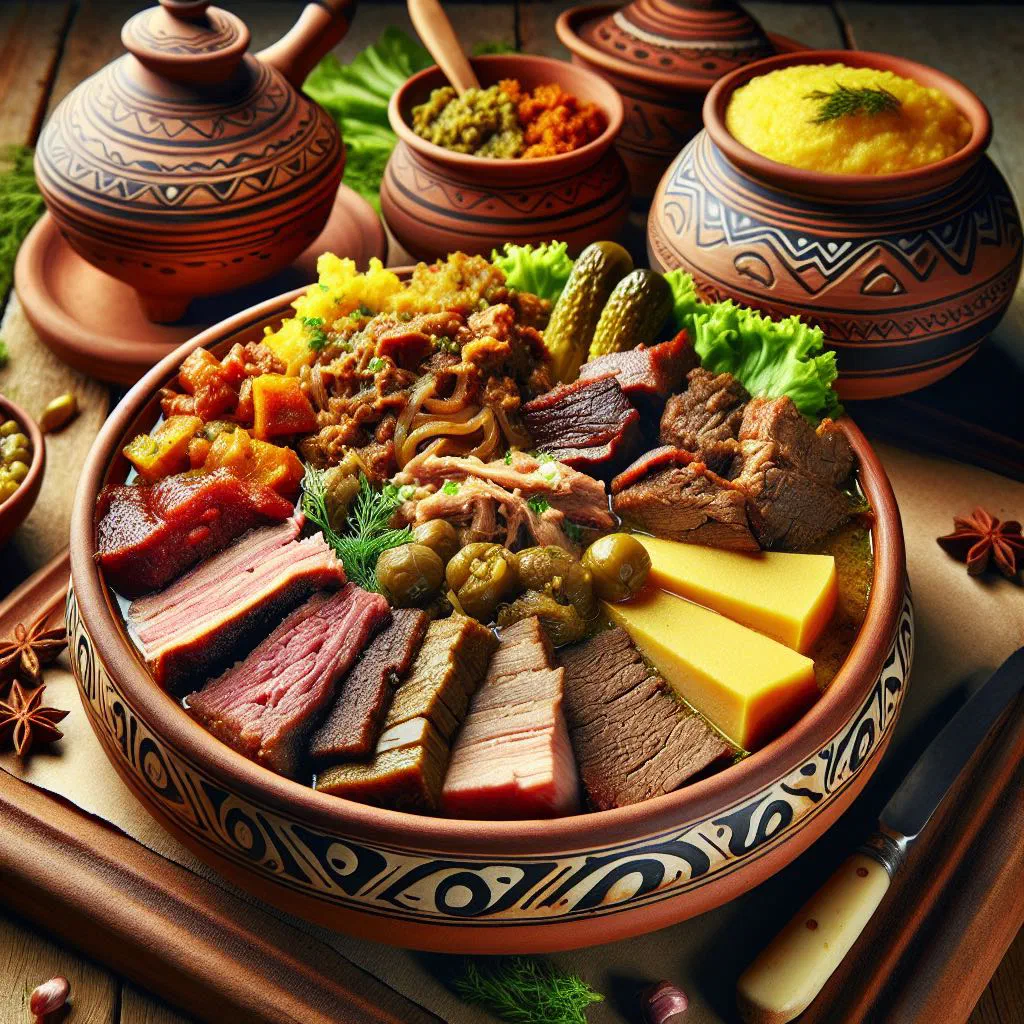
Meet Tochitură moldovenească, a hearty Moldavian stew that sits at the very heart of Romanian home cooking. Tender chunks of pork and beef are slowly braised in a fragrant, garlicky sauce until meltingly soft, then served with a mound of golden mămăligă and a freshly fried egg on top. It is proper rustic comfort food, the kind of generous, warming plate you bring out for special occasions or unhurried evenings with family and friends.
About Tochitură moldovenească
Tochitură moldovenească is a traditional Romanian dish with deep roots in the country’s rural culture. It brings together tender pork and beef, gently simmered in an aromatic sauce until rich and full-flavoured. The dish is classically served with homemade mămăligă, a kind of polenta, and a fresh egg, which turns it into a truly substantial meal. Ideal for festive gatherings or cosy nights in, it unites time-honoured tradition with real culinary pleasure.
Ingredients (serves 1–2)
- 200 g beef
- 200 g pork
- 2 onions
- 4 cloves of garlic
- 2–3 tomatoes
- 2 eggs
- 300 g mămăligă (polenta)
- Salt and pepper, to taste
- Oil, for frying
Shopping for the ingredients
When shopping for tochitură moldovenească, it is worth choosing fresh ingredients so the dish delivers its full flavour. Visit a local butcher for good-quality meat, as the cut and freshness make all the difference to the finished result. Vegetables such as onions and tomatoes should also be fresh and ripe to intensify the aromas. And don’t forget the seasonings that give the dish its distinctive character.
Preparing the dish
Getting ready to cook tochitură moldovenească is simple and takes only a few steps. First, cut the meat into small pieces and finely chop the onions and garlic, which helps all the flavours marry well together. It is also worth blanching and peeling the tomatoes to improve their texture in the finished dish. A well-prepared base ensures the stew cooks evenly and every aroma comes through at its best.
Step-by-step instructions
- Brown the meat in a large pot with a little oil until golden.
- Add the onions and garlic and fry for a few minutes until soft.
- Stir in the blanched tomatoes and mix well. Season with salt and pepper.
- Cover the pot and let it braise gently over low heat for about 1–2 hours.
- Meanwhile, prepare the mămăligă and boil the eggs.
- Serve the finished tochitură hot, topped with an egg and a side of mămăligă.
Gluten-free / lactose-free version
Tochitură moldovenească lends itself beautifully to a gluten-free and lactose-free preparation. All of the ingredients used are naturally gluten-free, so there is no need to worry about gluten sneaking in. For a lactose-free version, simply make the mămăligă with water or lactose-free milk. It is always worth checking any pre-packaged products for traces of gluten or lactose before you buy.
Tips for vegans and vegetarians
Tochitură moldovenească is easy to adapt for vegans and vegetarians. Swap the meat for plant-based proteins such as seitan, tofu or tempeh to give the dish a similar texture. Use vegetable stock in place of meat stock to build up the flavours. You can also bulk it out with plenty of vegetables, such as peppers and carrots, which boost both taste and nutrition. That way plant-based eaters can enjoy this traditional dish too.
More tips and tricks
To make tochitură moldovenească even tastier, try experimenting with different herbs and spices. A pinch of paprika or a little thyme, for example, adds a deeper dimension of flavour. Marinating the meat overnight also helps the aromas develop further. The dish can even improve when made a day ahead and kept in the fridge, as the flavours have more time to mingle.
Adapting the recipe to your taste
Another advantage of tochitură moldovenească is how adaptable it is. You can vary the meats, using only pork, for instance, or a combination of several kinds. Likewise, you can add more or less garlic, onion or tomato to suit your palate. This flexibility makes the dish your own and ensures everyone can enjoy it exactly the way they like it. If you fancy a regional twist, the Transylvanian Tochitura Ardeleneasca is well worth a try.
Ingredient substitutions
If you don’t have certain ingredients to hand, there are excellent alternatives for tochitură moldovenească. Instead of fresh tomatoes, tinned tomatoes offer a very similar flavour. For the mămăligă you can use plain cornmeal, or lift it with a few seasonings, much like the cheesy Mamaliga Cu Branza. Substitutions like these mean you can still make the dish even when a few things are missing.
Drink pairing ideas
To partner tochitură moldovenească perfectly, robust, full-bodied wines such as a Romanian Fetească Neagră or a Cabernet Sauvignon work very well. If you prefer beer, choose a lager or a darker style that balances the savoury richness of the dish. For alcohol-free options, mineral water or fresh fruit juices refresh the palate nicely.
Serving and presentation ideas
The way you present tochitură moldovenească can lift the whole dining experience. Serve it on a large wooden board or in a handsome bowl to show off the hearty ingredients. A topping of freshly chopped herbs adds not only lovely colour but extra flavour too. Don’t forget to present the mămăligă attractively in a separate mould to round the dish off in style. It sits happily alongside grilled Mititei on a generous festive table.
A bit of history
Tochitură moldovenească has its origins in traditional Romanian cooking and reflects a rustic culinary heritage defined by hearty, nourishing food. The dish was traditionally made by farmers and formed an important part of festive occasions. Over the years it has grown into a symbol of Romanian gastronomy, representing not only the past but the country’s culinary identity. Its popularity reaches well beyond the national borders, winning admirers among food lovers around the world, one of the great classics of Romanian cuisine.
More recipe ideas
Summary: Tochitură moldovenească
In short, tochitură moldovenească is a delicious and hearty dish rooted deep in Romanian culture. Thanks to its versatility and adaptability, it can be tailored to a wide range of tastes and dietary needs. With fresh ingredients and a little care in the cooking, every serving becomes a special experience. Give this dish a go and savour the rich flavours of Romanian cuisine.