National Dish Russia: Chak-Chak Tatarski (Recipe)
In this article
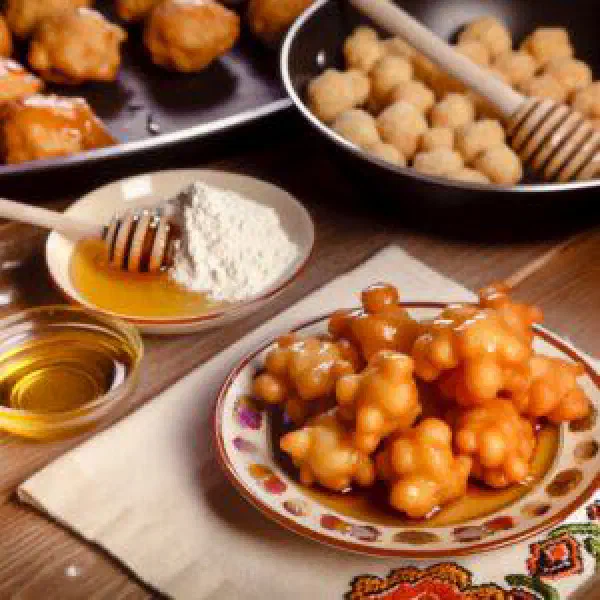
Meet Chak-Chak Tatarski, a glorious honey-drenched sweet that lies at the heart of Tatar celebration tables. Crisp little nuggets of fried dough are bound together with a glossy, golden syrup until they form a sticky, shimmering mound. The contrast of crunchy pastry and warm, honeyed sweetness makes every bite very good, and while it takes a touch of patience to prepare, the reward is a true delicacy worth showing off.
About Chak-Chak Tatarski
Chak-chak is a beloved Tatar dessert celebrated for its crisp pieces of dough and its lustrous, honey-sweet glaze. It holds a firm place on everyday dessert tables and at festive gatherings, where it is served with pride. The preparation calls for a little skill, yet the result is a genuine delicacy that should not be missed. That marriage of crackling pastry and sweet honey turns chak-chak into a wholly unique taste experience and a shining example of Tatar baking.
Ingredients (serves 1–2)
- 250 g plain flour
- 2 eggs
- 50 g sugar
- 100 ml honey
- 1 pinch of salt
- Oil, for deep-frying
Shopping for the ingredients
To make a delicious chak-chak, you need only a handful of basic ingredients that are easy to find in most supermarkets. It pays to choose good-quality produce: ideally the honey should come from a local source to deepen its aroma, and the flour ought to be fresh so the dough pieces achieve just the right texture. A little care at the shopping stage goes a long way towards an authentic finish.
Preparing the dish
Making chak-chak involves a few preparatory steps that are crucial to the final flavour. Start by whisking the eggs thoroughly with the sugar and a pinch of salt, then work in the flour bit by bit. The dough should be kneaded into a smooth, homogeneous mass that is no longer sticky. Leave it to rest for around 30 minutes so it becomes easier to handle and shape.
Step-by-step instructions
- Roll out the dough and cut it into small, evenly sized pieces.
- Heat the oil in a large pan and deep-fry the dough pieces in batches until golden brown.
- Drain the fried pieces on kitchen paper.
- Warm the honey in a small pan until it turns liquid, then toss it through the dough pieces.
- Pile the chak-chak onto a plate and let it cool before serving.
Gluten-free / lactose-free version
To make chak-chak gluten-free, swap the wheat flour for a suitable gluten-free blend. Take care that the mixture binds well so the dough keeps the right consistency. For a lactose-free take, the eggs can be replaced with a plant-based alternative. There is now a wide range of gluten-free and lactose-free products available in many shops, making it easy to adapt the recipe to dietary needs.
Tips for vegans and vegetarians
A vegan version of chak-chak is easy to achieve by replacing the eggs with ground flaxseed or apple purée. These alternatives help bind the dough and lend a gentle, fruity note. For the glaze, vegans should reach for a plant-based syrup such as agave nectar or another natural sweetener in place of honey. That way the recipe stays vegan while losing none of its charm.
More tips and tricks
A few simple tricks will help you create the perfect chak-chak. Experiment with the thickness of the dough pieces to play with different textures, and consider using a dedicated deep-fryer for an even, consistent golden colour. Lift the honey syrup with spices such as cinnamon or cardamom for extra depth, and finish by arranging everything on an attractively decorated plate to make the dessert look as good as it tastes.
Adapting the recipe to your taste
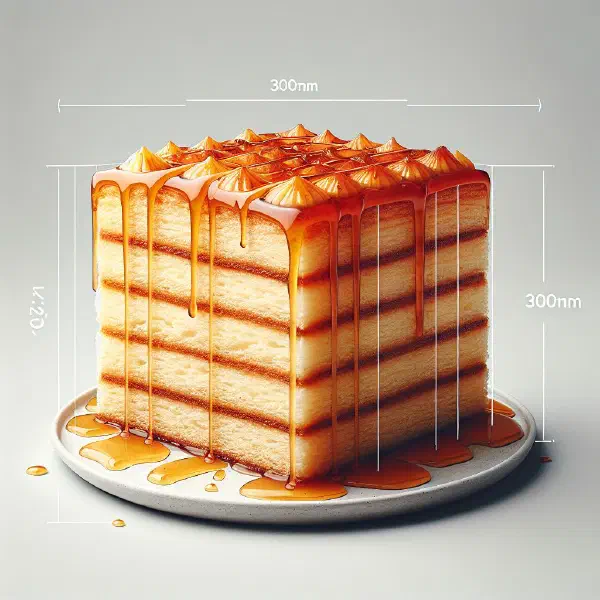
Chak-chak is wonderfully versatile and easy to tailor to your own preferences. You can make the dough pieces larger or smaller, vary the sweetness of the syrup, or perfume it with your favourite warm spices. Much like other festive treats such as Medovik, it invites you to put a personal stamp on a classic and make it entirely your own.
Ingredient substitutions
If you do not have certain ingredients to hand, there are plenty of alternatives for chak-chak. Instead of traditional honey, coconut blossom sugar can be used for a novel kind of sweetness. The flour can be swapped for other varieties such as almond or oat flour, depending on your taste and diet. Be creative and try different combinations to craft a dessert that is entirely your own, in the same spirit as the related Chak Chak.
Drink pairing ideas
Several drinks pair beautifully with a plate of chak-chak and round out its flavour. A fresh mint tea is a refreshing choice that balances the dessert’s sweetness, while a robust coffee or an aromatic black tea can heighten the indulgence. Just make sure the drink is not too dominant, so the delicate taste of the chak-chak is never overpowered.
Serving and presentation ideas
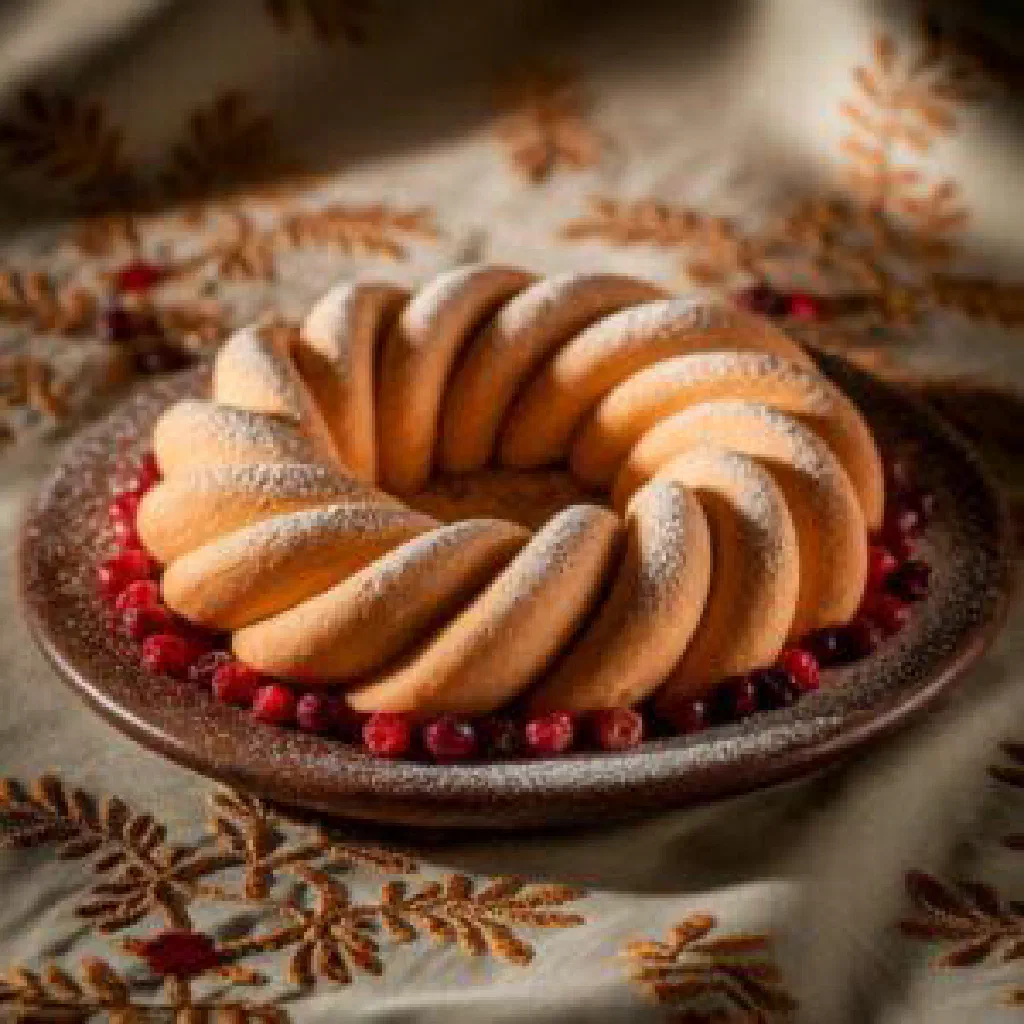
The way you present chak-chak can lift the whole experience considerably. Dust the plate with a little icing sugar or scatter fresh berries to add inviting splashes of colour. Small flourishes of edible flowers can further enhance the look of your dessert. Remember that presentation is part of the culinary experience, and a lovingly arranged plate always leaves a good impression.
A bit of history
Chak-chak has its roots in Tatar culture, where it is a cherished festive food often served on special occasions. It was originally prepared by nomadic peoples, and the methods have been refined across many generations. Today it is loved not only in Tatarstan but well beyond, a tradition that beautifully shows how food brings people together, a hallmark of Russian cuisine and its many regional sweets.
More recipe ideas
Summary: Chak-Chak Tatarski
Chak-chak is far more than a simple dessert. It is a symbol of Tatar culture and its traditions. With its distinctive aromas and crisp texture, it is a real highlight on any table. Whether for special occasions or simply as a sweet treat between meals, chak-chak never fails to please. Let this traditional dish inspire you and conjure it up in your own kitchen.