National Dish Russia: Kalach (Recipe)
In this article
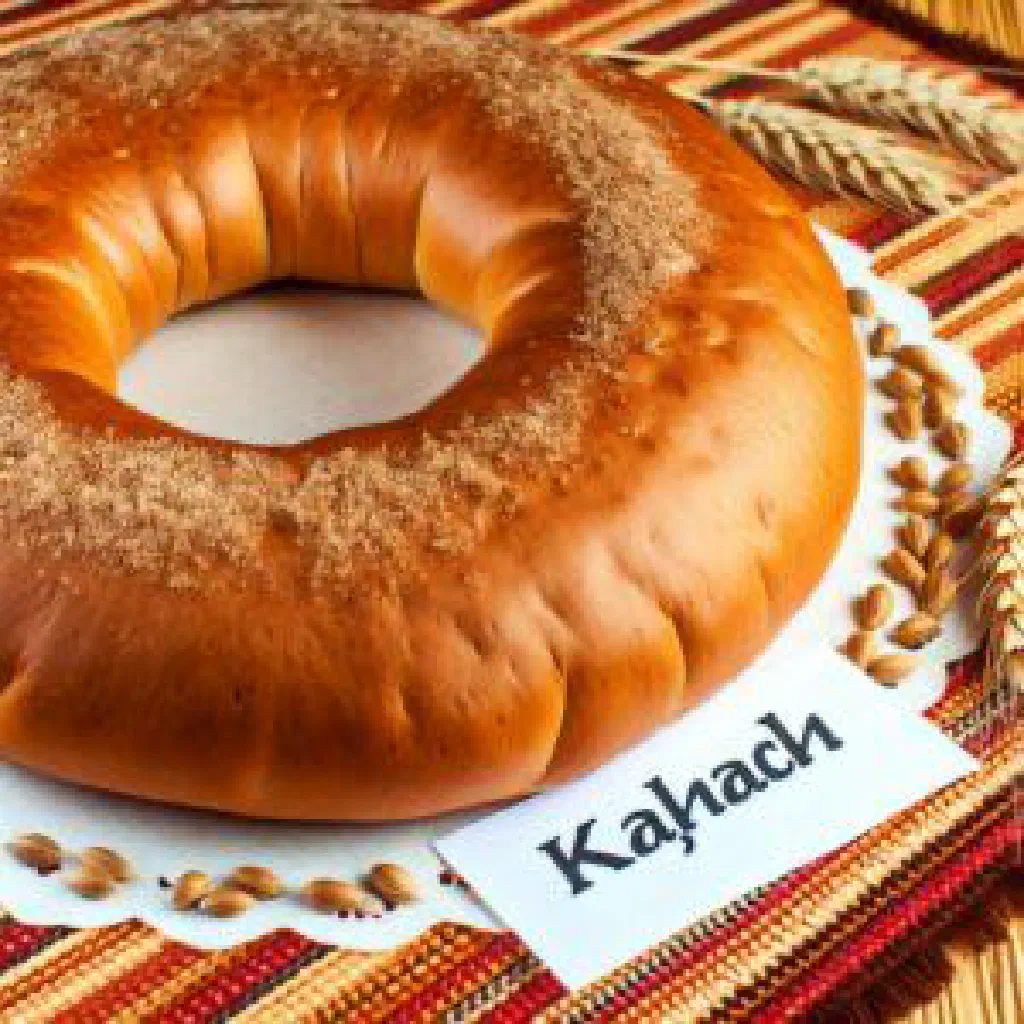
Discover Kalach, a much-loved classic of the Russian bakery. With its glossy, crisp crust and pillowy-soft crumb, this traditional bread has graced Russian tables for centuries. Shaped into its distinctive ring or looped form, it works beautifully as a comforting snack or a gentle sweet treat. Bake a batch at home and bring a little of Russia’s warm, age-old hospitality straight into your own kitchen.
About Kalach
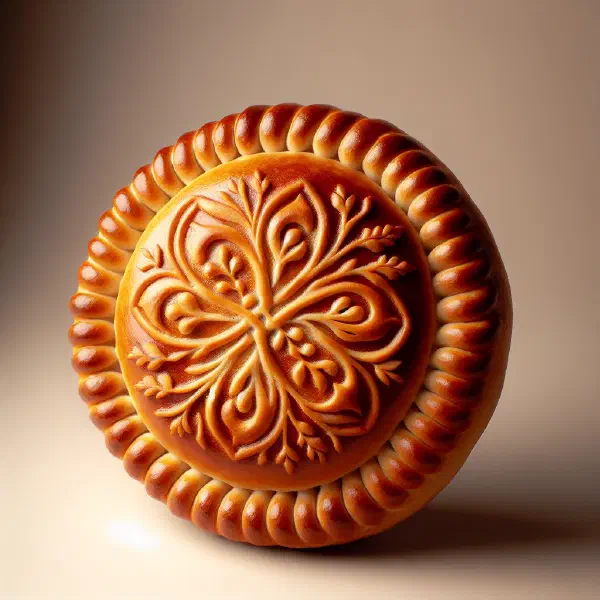
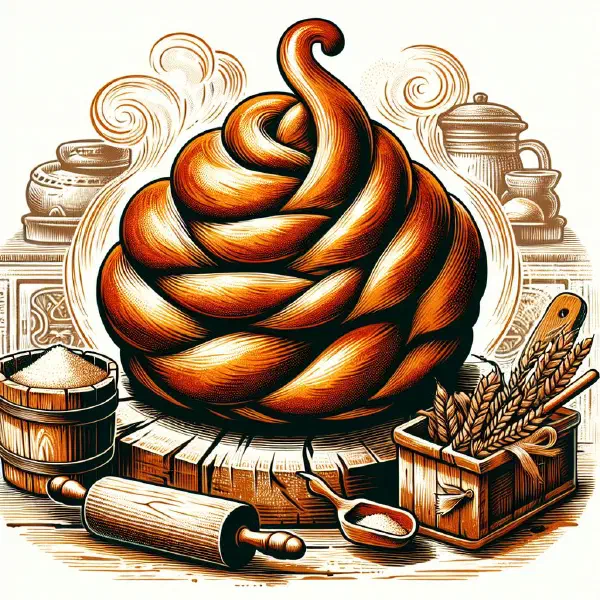
Kalach is a traditional Russian bread with a long and proud history in the country’s kitchens. Originally baked as a simple, everyday loaf, it grew over time into a popular snack and sweet treat. Its eye-catching shape, most often formed into a ring or twisted cord, gives it real charm on the table. The contrast between the crisp crust and the soft, tender interior makes every bite a genuine pleasure, and explains why this humble bake has remained a favourite for generations.
Ingredients (serves 1–2)
- 250 g flour
- 150 ml water
- 10 g yeast
- 5 g salt
- 1 tablespoon sugar
- 30 g butter
Shopping for the ingredients
When shopping for the ingredients for Kalach, it pays to choose good-quality products. Fresh yeast and a decent flour are the keys to a successful bake. Try to pick a flour from the darker varieties where you can, as this lends the kalach a fuller, more rounded flavour. The butter should be of high quality too, so the dough turns out especially fragrant and rich.
Preparing the dish
Before you start making the Kalach, gather all the equipment you will need. That means a large bowl for the dough, a rolling pin and a baking tray on which the kalach can later go into the oven. A clean work surface is just as important, so you can roll and shape the dough neatly. It is a good idea to weigh out the ingredients in advance to make the whole process run smoothly.
Step-by-step instructions
- Dissolve the yeast in the lukewarm water and stir in the sugar.
- Combine the flour and salt in a bowl.
- Add the yeast mixture and the melted butter to the flour.
- Knead the dough well until it is smooth and supple.
- Cover the dough and leave it to rise in a warm place for about 30 minutes.
- Roll out the risen dough on a floured surface and shape it as you like.
- Place the shaped kalach on a baking tray and let it rest for a further 15 minutes.
- Bake in a preheated oven at 180 °C for about 25 minutes.
Gluten-free / lactose-free version
To make Kalach gluten-free, simply use one of the special gluten-free flour blends now widely available. Do check that all the other ingredients are gluten-free as well. For a lactose-free version, swap the butter for a plant-based alternative such as margarine or coconut oil. These small adjustments mean that anyone with a food intolerance can still enjoy this delicious bake.
Tips for vegans and vegetarians
A vegan Kalach is easy to achieve: replace the butter with vegan margarine and make sure your yeast and sugar both come from plant-based sources. Dried fruit or nuts make a lovely addition, worked through the dough to give the kalach a little extra character. With these simple swaps, vegans and vegetarians alike can tuck into this Russian delicacy without missing out.
More tips and tricks
A few small tricks will make your Kalach even better. Take care that the dough does not become too dry, if it feels stiff, add a touch more water. An extra hour of resting time can help the dough turn lighter and airier. As soon as the kalach comes out of the oven, brush it with a little butter for added shine and a deeper flavour.
Adapting the recipe to your taste
There are countless ways to make the recipe for Kalach your own. Add warming spices such as cinnamon or nutmeg to create a sweeter version, much as you might with Pryanik. For a savoury take, work some cheese or bacon through the dough. Don’t be afraid to experiment with different fillings to vary the bake exactly to your liking.
Ingredient substitutions
Several of the ingredients for Kalach can be swapped out depending on what you have to hand or simply your own preference. Spelt flour, for example, works nicely in place of ordinary flour. Sugar can be replaced with honey or another sweetener to shift the flavour, a trick shared with sweet bakes like Vatrushka. Just make sure any alternatives suit the recipe so you still get the result you are after.
Drink pairing ideas
A range of drinks pairs beautifully with Kalach. Traditionally, this snack is served with a steaming cup of tea. A glass of fruit kompot or a refreshing fruit juice works just as well, while a tart Kvas makes for an authentically Russian match. For special occasions you might offer a dessert wine or a light liqueur to underline the bread’s gentle sweetness.
Serving and presentation ideas
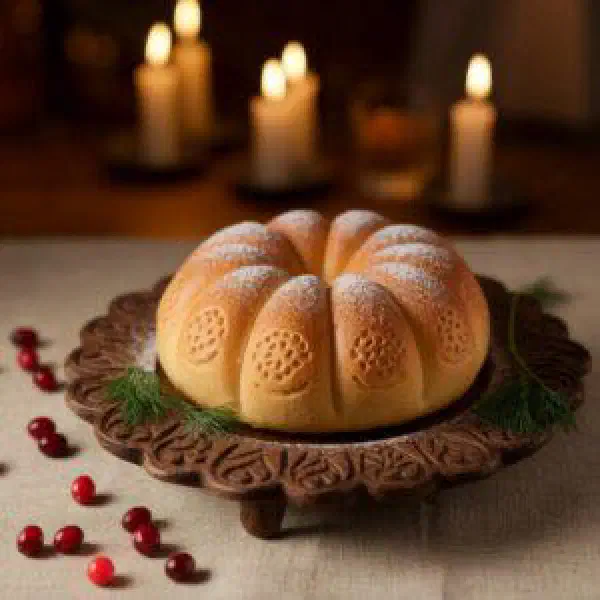
How you present your Kalach can add a great deal to the occasion. Serve it on a rustic wooden board to play up its traditional character. Garnish with fresh herbs or edible flowers for a special touch. A little dish of butter or a spoonful of jam alongside not only looks inviting but makes the bread all the more appealing to share.
A bit of history
The story of Kalach reaches back to old Russia, where it was prized by peasants as a nourishing everyday bread. In many Russian regions the kalach carried real symbolic weight, often served at holidays and special celebrations much like the festive Karavai. Over the centuries the recipe evolved, giving rise to a variety of regional versions. Today the kalach is enjoyed not only across Russia but in many other countries too, and it remains a proud emblem of Russian cuisine.
More recipe ideas
Summary: Kalach
The Kalach is a truly time-honoured piece of baking, as easy to prepare as it is delicious to eat. With its endless scope for different ingredients and fillings, anyone can create their own version. The kalach remains a beloved fixture of the Russian table. Enjoy this tasty bread on its own or shared with friends and family. It is sure to go down a treat.