National Dish Russia: Kisel (Recipe)
In this article
Discover Kisel, one of Russia’s most comforting fruit desserts. Made from little more than fruit juice, berries and a spoonful of starch, it has a silky, gently set texture that sits somewhere between a drink and a pudding. Lightly sweet and full of bright berry flavour, it is the kind of dish that has graced Russian tables for centuries, equally at home as a homely everyday treat or as a colourful finish to a festive meal.
About Kisel
Kisel is a traditional Russian dessert, rich in flavour and full of nourishing fruit. It is a fruity, lightly sweet dish that is often served as a starter or as a pudding. Its distinctive consistency comes from the use of starch, which, combined with fruit juices or berries, creates a soft, gel-like texture. The dish is delicious and wonderfully simple to make, which makes it a fine choice for any celebratory spread.
Ingredients (serves 1–2)
- 250 ml fruit juice (e.g. cherry or raspberry)
- 1–2 tablespoons sugar (to taste)
- 2 tablespoons cornflour (starch)
- 500 ml water
- Fresh or frozen fruit of your choice (e.g. raspberries or cherries)
Shopping for the ingredients
Before you start making kisel, it is worth gathering all your ingredients. Fruit juices are easy to find in any supermarket, though it is best to choose natural products without artificial additives. Fresh or frozen fruit is just as readily available. Berries are perfect here, lending the dish a bright colour and an extra layer of flavour. Much the same fruit shines in a Kisel with Berries or a refreshing Mors.
Preparing the dish
Preparing kisel is straightforward and takes only a few steps. First, wash the fruit thoroughly if you are using fresh berries; if you are using frozen fruit, simply let it thaw. Have the water and fruit juice ready, along with the starch, which should be stirred into a little cold water beforehand to prevent any lumps from forming.
Step-by-step instructions
- Pour the water and fruit juice into a pan and bring the mixture to the boil.
- Once the liquid is boiling, add the sugar and stir well.
- Slowly add the dissolved cornflour, stirring constantly.
- Continue stirring over medium heat until the mixture thickens.
- Add the fresh or frozen fruit and bring everything briefly to the boil.
- Pour the kisel into a bowl and leave it to cool. As it cools it sets and is ready to serve.
Gluten-free / lactose-free version
This kisel recipe is naturally gluten-free, as no wheat products are used. Instead of ordinary starch, you can use gluten-free alternatives such as cornflour or potato starch. Kisel is also lactose-free, as long as you add no dairy products. That makes it a wonderful option for anyone with food intolerances.
Tips for vegans and vegetarians
Kisel is a perfect choice for vegans, as it contains no animal products. To make the dish even more versatile, you can use plant-based juices in place of fruit juices. You might also swap the sugar for maple syrup or agave nectar to bring out the natural flavours. This approach suits a plant-based diet beautifully and keeps the dessert both wholesome and delicious.
More tips and tricks
One important thing to consider is the texture and consistency of the kisel, which can be adjusted to taste. Add less or more starch to make the dessert thicker or thinner. Using combinations of different fruits can give kisel whole new flavour profiles. Let your creativity run free by experimenting with different fruit blends and sweeteners, much as you would when making a fragrant Kompot.
Adapting the recipe to your taste
Kisel lends itself wonderfully to adaptation. If you fancy a touch of the exotic in your dessert, you can use coconut milk instead of water. For a more intense sweetness, try honey or stevia. Beyond that, flavours such as cinnamon or vanilla can be added to give the kisel a special note.
Ingredient substitutions
Although fruit juice is the main ingredient in kisel, you can also use vegetable juice or herbal extracts to discover interesting new flavours. In place of sugar, agave nectar or xylitol works well. For the fruity element, dried fruit can also be used, blended to a purée in a mixer. Bear in mind that every change can affect both the flavour and the texture, a principle that holds just as true for a Cranberry Kisel.
Drink pairing ideas
A whole range of drinks pairs well with kisel. Fruity lemonades or teas are especially refreshing and complement the flavour of the dessert. A glass of sparkling wine or prosecco also works beautifully when kisel is served as a pudding at a festive occasion. For an alcohol-free option, try sparkling water with lime, which balances the sweetness of the kisel wonderfully.
Serving and presentation ideas
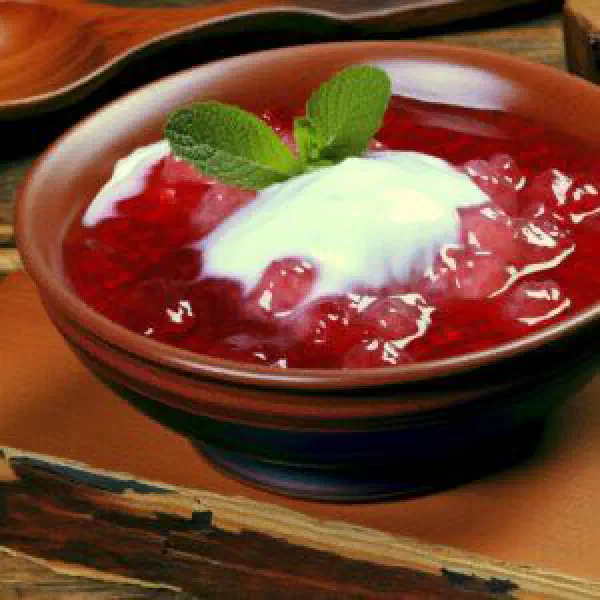
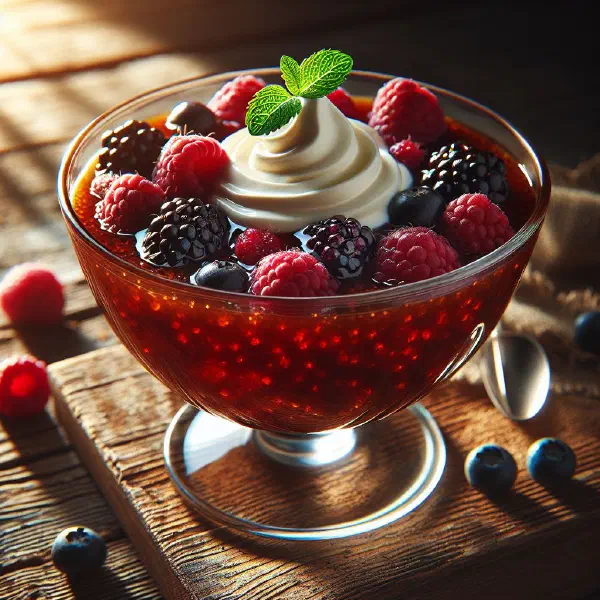
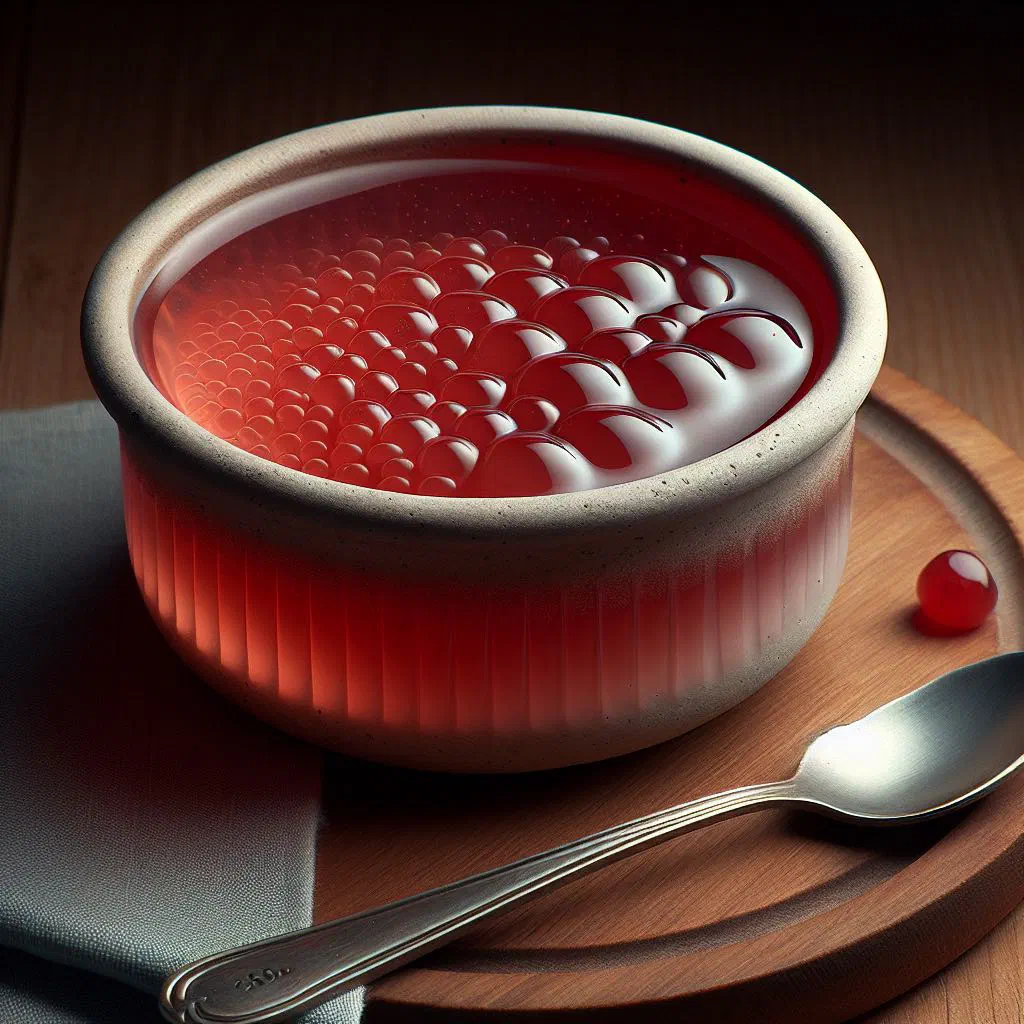
A lovely presentation is everything when it comes to showing off your kisel. Serve it in festive glasses or bowls that highlight the dessert’s glowing colours. A few fresh berries or a mint leaf as a garnish make it look even more appealing. Do not hesitate to choose creative serving dishes to make the dessert truly appealing for your guests, much as you might with a delicate Pastila.
A bit of history
Kisel has a long history in Russian cuisine and has been enjoyed traditionally for many hundreds of years. Originally it was prepared as a food for the winter months, since the strong flavours of the fruits and berries had a comforting effect. Today kisel is a much-loved dessert and a symbol of Russian cuisine, often associated with festive occasions.
More recipe ideas
Summary: Kisel
Kisel is a simple, delicious dish that is versatile and wholesome. It offers an excellent option for both vegans and vegetarians, one that can be adapted to suit all kinds of tastes. Do not leave your creativity out of the kitchen, experiment with different fruit juices and ingredients.