National Dish Russia: Knish (Recipe)
In this article
Discover Knish, a much-loved savoury pastry with deep Eastern European roots. These golden, crisp-shelled parcels wrap a soft, comforting filling of mashed potato and onion in a tender dough. Easy to make and endlessly adaptable, they are perfect for sharing with friends and family. Bring a taste of Russia straight to your own kitchen and enjoy a hand-held treat that suits any occasion.
About Knish
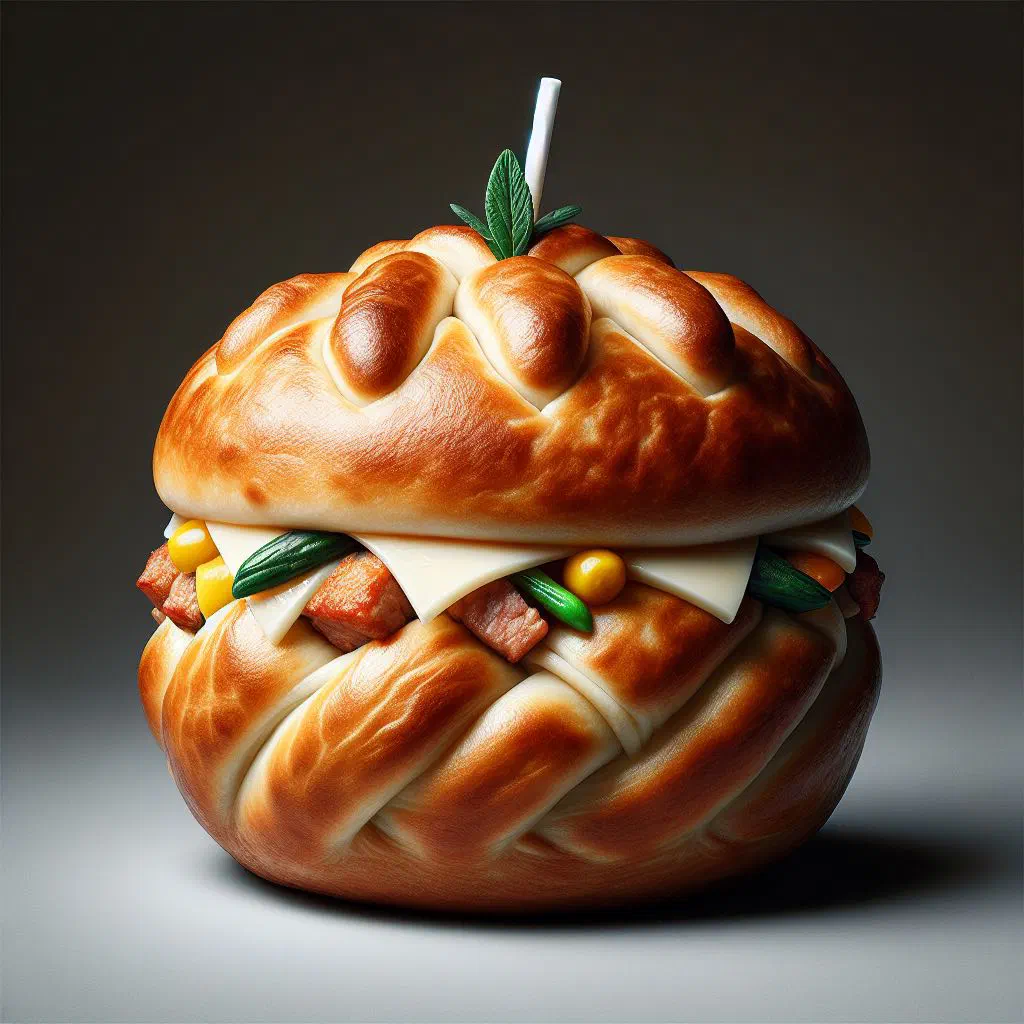
Knish is a traditional Russian dish prized for its wonderfully crisp pastry shell and its versatile fillings. The origins of this delicious snack reach back to the 19th century, when Jewish communities across Eastern Europe shaped their own rich food culture. Originally created as a filling, portable bite for working people, knish are now enjoyed around the world.
Ingredients (serves 1–2)
- 250 g flour
- 100 ml water
- 1 tsp salt
- 2 tbsp oil
- 200 g potatoes (boiled and mashed)
- 1 onion, finely chopped
- 1 tsp pepper
- 1 tsp butter for the filling
- 1 egg yolk (for glazing)
Shopping for the ingredients
When shopping for the ingredients for knish, it is worth choosing high-quality produce. Fresh potatoes and onions are key to the flavour of the filling. It is also a good idea to use a suitable flour to achieve the perfect dough. Tools such as a rolling pin and a fork are handy too, helping you shape the knish neatly and seal them well.
Preparing the dish
Preparing the knish is straightforward, though it takes a little time to knead the dough properly. Start by boiling the potatoes if they are not already cooked. While the potatoes cool, sauté the onions in the butter until golden brown. Mashing the potatoes and mixing them with the onions are the next steps towards making the delicious filling.
Step-by-step instructions
- Combine the flour, water, salt and oil in a bowl and knead to a smooth dough.
- Leave the dough to rest for 30 minutes.
- Mix the potatoes with the sautéed onions and season with pepper.
- Roll out the dough thinly and cut out equal-sized circles using a glass.
- Place the filling in the centre of each dough circle and press the edges together.
- Lay the knish on a baking tray lined with parchment and brush with egg yolk.
- Bake in a preheated oven at 200 °C for about 30 minutes, until golden brown.
Gluten-free / lactose-free version
To make knish gluten-free, you can use a gluten-free flour blend in place of the wheat flour. The ingredients for the filling are usually already lactose-free, since the butter is easily swapped for oil. Take care to choose your ingredients carefully to make sure they suit gluten-free diets. That way nothing stands between you and a plate of knish.
Tips for vegans and vegetarians
Vegans can easily adapt the traditional knish filling by replacing the butter with plant-based margarine. You can also add different vegetables, such as spinach or mushrooms, to create an interesting filling. When choosing the dough, make sure the ingredients you use are vegan too. This makes the dish suitable for every individual dietary need, much like the meat-free comfort of Mushroom Vareniki.
More tips and tricks
A few practical tips can help you conjure up the perfect knish. Let the dough rest well after kneading so it rolls out more easily. I would recommend not making the knish too large, so they cook through evenly. If you like, vary the filling to try out new flavour combinations.
Adapting the recipe to your taste
The great thing about knish is the flexibility of the fillings. You can vary the recipe by trying other ingredients, such as cheese, lentils or beetroot. The seasonings can be adjusted to taste as well. This way you can shape your knish exactly to your own preferences, in the same spirit as hearty Pirozhki.
Ingredient substitutions
If needed, you can use other types of potato for the filling, such as sweet potatoes, to bring a sweeter note. Instead of onions, spring onions or leeks make good alternatives. When making the dough, you can use vegetable oils in place of butter for a lighter version of the knish. This keeps the recipe flexible and lets it adapt to your tastes.
Drink pairing ideas
Knish pair beautifully with savoury drinks such as a fresh herbal tea or a light beer. A dry white wine can also underline the flavours of the filling nicely. For children or as an alcohol-free option, a fruity, sparkling cocktail works well. The right drink can round off the whole experience and add new accents.
Serving and presentation ideas
The presentation of knish can lift the eating experience considerably. Serve them on an attractive wooden board garnished with fresh herbs. Alongside, you can offer a dip such as sour cream or yoghurt to refine the flavour. Small bowls of different sauces for dipping can be a feast for both the eyes and the palate.
A bit of history
Knish have an interesting history, closely tied to the Jewish diaspora. They were originally prepared in Eastern Europe to provide a nourishing, portable meal for travelling. Over time they spread in many different forms and fillings, becoming popular not only in Jewish cooking but in the wider table too. This culinary tradition lives on today, passed down through many generations and standing proudly within Russian cuisine.
More recipe ideas
Summary: Knish
In summary, knish are a versatile and tasty dish that suits a whole range of occasions. Their simple preparation and the chance to experiment with fillings make them an ideal snack or dish for any celebration. Whether as a starter or a main course, knish draw every eye and deliver a real flavour highlight. Give this traditional recipe a try and discover the variety of Russian cooking for yourself.