National Dish Russia: Kolobok (Recipe)
In this article
Say hello to Kolobok, a charming round bun that is woven deep into the fabric of Russian folklore. Crisp on the outside and pillowy soft within, this little bake takes its name from a much-loved fairy tale in which a runaway round of dough rolls off on its own adventures. Kolobok is endlessly versatile comfort food, and it brings a slice of Russian storytelling straight to your kitchen table.
About Kolobok
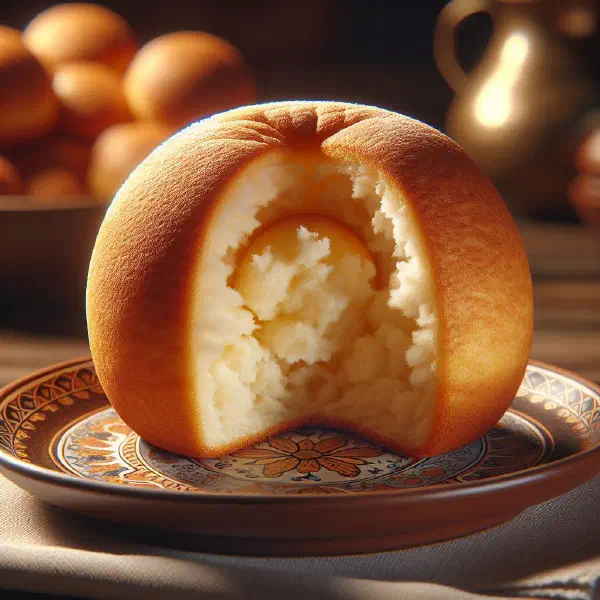
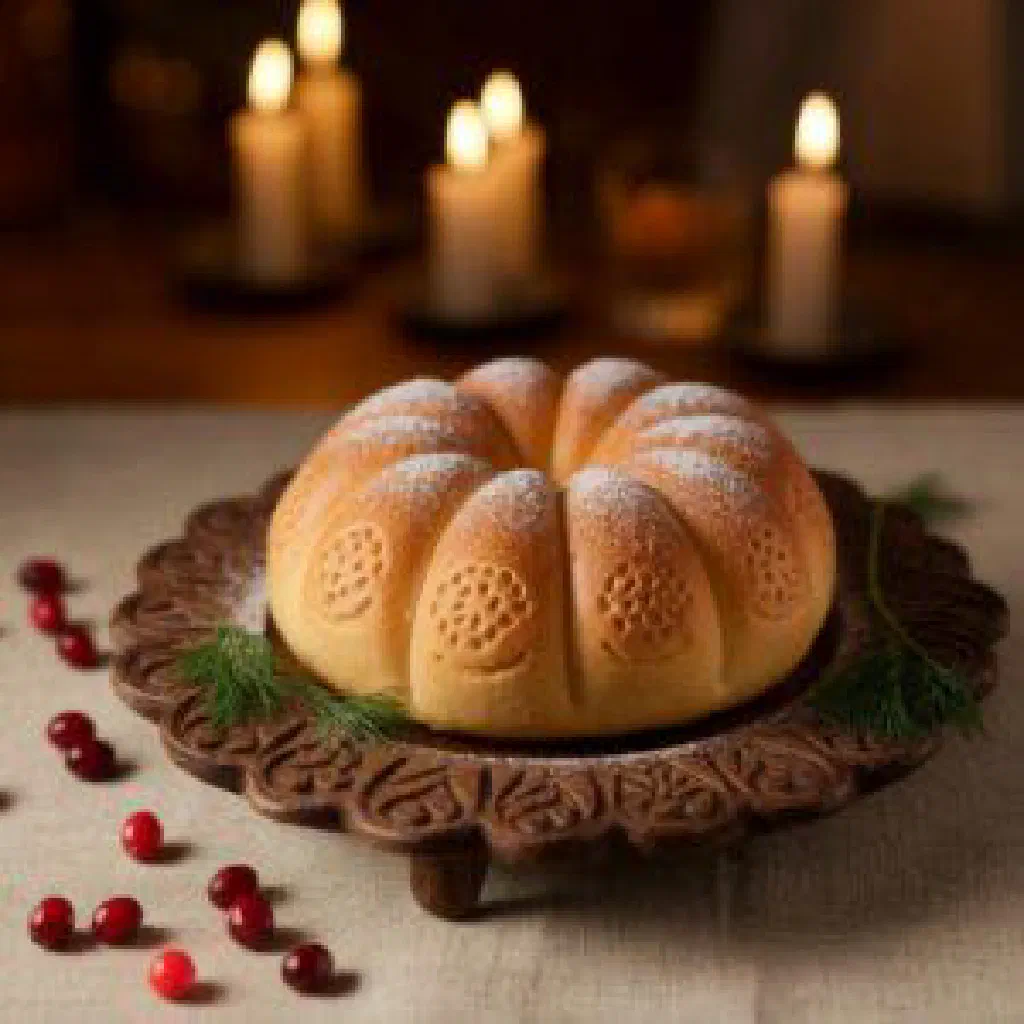
The Kolobok is far more than just a popular bake; it is a firm part of Russian tradition. This round, airy bun has a crisp outer crust and a tender, yielding centre that practically melts as you eat it. Its name comes from a classic folk tale in which the kolobok, fashioned from leftover dough, sets off on a string of daring escapades. Over the years it has earned a special place in the Russian kitchen, and it is often served with a whole range of fillings, making it a wonderfully adaptable treat.
Ingredients (serves 1–2)
- 250 g wheat flour
- 150 ml water
- 1 tsp salt
- 1 tsp sugar
- 1 tsp yeast
- Oil, for frying
- Optional: fillings of your choice (e.g. jam, cheese, etc.)
Shopping for the ingredients
When sourcing the ingredients for kolobok, look for fresh, good-quality produce. Visit a local market or a specialist grocer to track down the best of everything. The flour in particular plays a decisive role in the texture of the finished bun, so choose it with care. Make sure your yeast is fresh too, as this guarantees a good, reliable rise.
Preparing the dish
Before you start making kolobok, it is important to prepare all the ingredients. Measure out the flour and sift it to get rid of any lumps. In a bowl, dissolve the yeast in warm water and stir in the sugar. Let the mixture stand for a few minutes so the yeast can activate before you combine it with the rest of the ingredients. This little bit of groundwork keeps the whole process smooth and unhurried.
Step-by-step instructions
- In a large bowl, combine the flour and the salt.
- Add the yeast-and-water mixture to the dry ingredients and mix well.
- Knead the dough until smooth, adding a touch more water if needed.
- Cover the dough and leave it to rise in a warm place for about 30 minutes.
- Divide the dough into small portions and fill them as you like.
- Heat plenty of oil in a pan and fry the filled koloboks until golden brown.
- Drain on kitchen paper and serve warm.
Gluten-free / lactose-free version
For a gluten-free and lactose-free version of kolobok, you can simply swap in gluten-free flour. Choose your ingredients carefully, especially the fillings, to be sure they are gluten- and lactose-free as well. The method stays essentially the same; only the ingredients change. A suitable plant-based oil works perfectly well for the frying, much as it does in many other Russian dishes.
Tips for vegans and vegetarians
If you are vegan or vegetarian, you can prepare kolobok with plant-based fillings. Popular choices include vegetables, hummus or vegan cheese alternatives. Take care that every ingredient is free from animal products, which matters most when picking your flour and your fillings. Experiment with different spices to coax out extra layers of flavour.
More tips and tricks
To turn out the perfect kolobok, patience during proving is key. A warm, draught-free spot helps the dough rise beautifully. Getting the oil temperature right is just as important: it keeps the outside crisp while the centre stays soft. Practise a little to develop a feel for the ideal frying time, much like you would when perfecting golden Ponchiki.
Adapting the recipe to your taste
The kolobok recipe leaves plenty of room for individual tweaks. You can vary the fillings to suit your mood or work extra spices into the dough itself. Both sweet and savoury versions are on the cards, so there is something for every palate. It is also a lovely idea to experiment with seasonal ingredients that match the time of year.
Ingredient substitutions
If you have no yeast to hand, you can use baking powder instead to achieve a similar lift. Wholemeal flour also works wonderfully for a heartier, more wholesome kolobok. Try out different fillings, such as nuts or dried fruit, to create a sweeter version. That way your kolobok stays varied and full of interest, in the same spirit as a fruit-filled Vatrushka.
Drink pairing ideas
A range of drinks pairs beautifully with a freshly made kolobok. A robust tea or a fruity lemonade make perfect partners, complementing the bun’s flavours nicely. A glass of chilled sparkling water can be wonderfully refreshing too, especially on warmer days. For special occasions, a shot of vodka, or a glass of Kvass, lets you lean into authentic Russian tradition.
Serving and presentation ideas
Thoughtful presentation can lift the whole kolobok experience. Serve the freshly fried buns on colourful plates, garnished with fresh herbs or seasonal fruit. A decorative dish of assorted fillings lets every guest assemble their own creation. You can also wrap the buns attractively in cloths or napkins for a homely touch.
A bit of history
The story of the Kolobok reaches deep into Russian folklore, carrying messages of freedom and adventure. In the fairy tales, the kolobok is often cast as a symbol of the longing for independence. Traditionally it is served as part of the Russian table and is seen as a dish that bridges the generations. Preparation techniques vary from region to region, reflecting the diversity and cultural richness of Russia and its Russian cuisine.
More recipe ideas
Summary: Kolobok
The Kolobok is a delicious little bake that has long won the hearts of Russians. With its crisp outer crust and soft, tender centre, it offers a unique treat that can be filled sweet or savoury alike. Whether for special occasions or simply as a between-meal nibble, kolobok suits every taste. Give the recipe a go and discover the good world of Russian baking.