National Dish Russia: Kvashenaya Kapusta (Recipe)
In this article
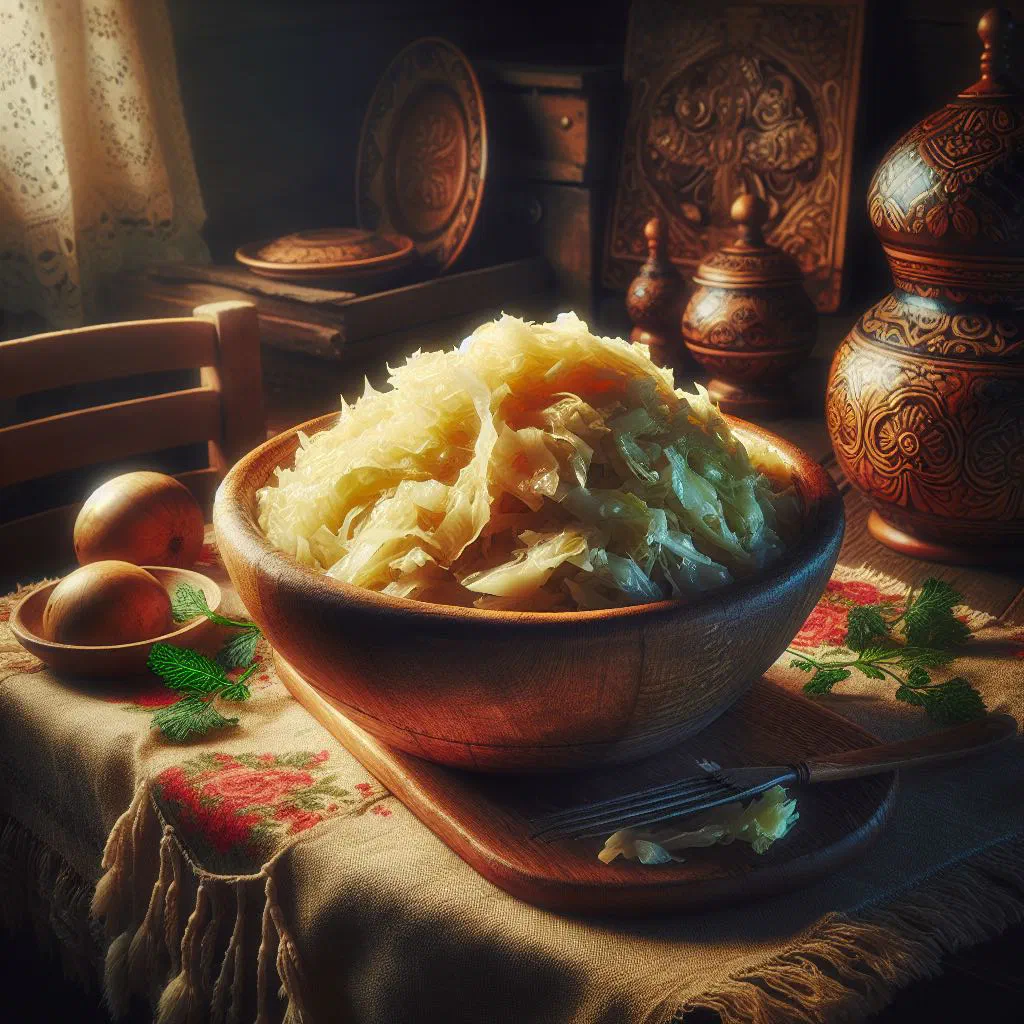
Discover Kvashenaya Kapusta, Russia’s much-loved fermented cabbage. This humble yet brilliant dish turns crisp white cabbage and sweet carrots into a tangy, probiotic-rich side that keeps right through the coldest months. With nothing more than salt, a little patience and a few simple spices, you can capture a piece of traditional Russian home cooking in your own kitchen, and reap the gut-friendly rewards of natural fermentation along the way.
About Kvashenaya Kapusta
Kvashenaya Kapusta, also known as fermented cabbage, is a traditional Russian dish that is as good for you as it is delicious. This simple but flavourful recipe is a wonderful way to preserve fresh vegetables while making the most of the probiotic benefits of fermentation. The preparation relies on fresh white cabbage, a handful of spices and, very often, grated carrots. Especially in the cold winter months it is a staple of Russian cuisine, served time and again as a side to hearty main courses.
Ingredients (serves 1–2)
- 1 small head of white cabbage (about 1 kg)
- 2 carrots
- 2 tablespoons salt
- 1 teaspoon sugar
- Black peppercorns (to taste)
- Bay leaves (optional)
- 1–2 cloves of garlic (optional)
Shopping for the ingredients
When shopping for kvashenaya kapusta, it is important to choose fresh, crisp white cabbage. Check that the cabbage has no brown patches or soft spots, as these can be a sign of spoilage setting in. The carrots should be firm and free of cracks. Spices such as black peppercorns and bay leaves are easy to find in any well-stocked supermarket or on the spice aisle.
Preparing the dish
To make kvashenaya kapusta, it is best to start by washing and preparing all the ingredients thoroughly. Shred the white cabbage into fine strips and either grate the carrots or cut them into thin slivers. A large bowl or container is ideal for tossing the vegetable mixture together evenly. Make sure the bowl is spotlessly clean to avoid encouraging unwanted bacteria during fermentation.
Step-by-step instructions
- Place the shredded white cabbage and carrots in a large bowl.
- Add the salt and sugar and knead everything firmly until the cabbage releases its juice.
- Stir in your chosen spices (peppercorns, bay leaves, garlic).
- Pack the mixture into a clean glass jar or fermenting crock, pressing it down well.
- Pour the remaining juice over the vegetables so that everything is well covered.
- Cover the container and leave to ferment in a cool place for at least 1–2 weeks.
Gluten-free / lactose-free version
Kvashenaya kapusta is naturally gluten-free and lactose-free. The ingredients it relies on, such as white cabbage and carrots, contain no gluten, making it an ideal choice for anyone with coeliac disease or lactose intolerance. Just take care that all of the spices and the salt are gluten-free too, so the finished dish is fully suitable for those with special dietary needs.
Tips for vegans and vegetarians
For vegans and vegetarians, kvashenaya kapusta is an excellent choice, since it contains no animal products whatsoever. Its tangy texture and flavour make it a great addition to a plant-based diet. It is also a clever way to boost your daily vitamin intake, particularly during the cold season when fresh vegetables may be harder to come by. Fermentation makes the nutrients more readily available, while the probiotics support a healthy digestive system.
More tips and tricks
A successful fermentation of kvashenaya kapusta calls for patience and the right ambient temperature. Keep the container in a cool, dark spot to prevent mould from forming. Check on the fermentation regularly and taste the cabbage after a few days. Once it has reached the flavour you are after, move the jar to the fridge to slow the fermentation down and keep it for longer.
Adapting the recipe to your taste
Kvashenaya kapusta is easy to tailor to personal preference. Add different vegetables such as red pepper or radish for extra flavour and colour. The quantity of each spice can be adjusted too, so you can shape the dish exactly to your liking. Experiment with spices like caraway or mustard seeds for a whole new taste experience.
Ingredient substitutions
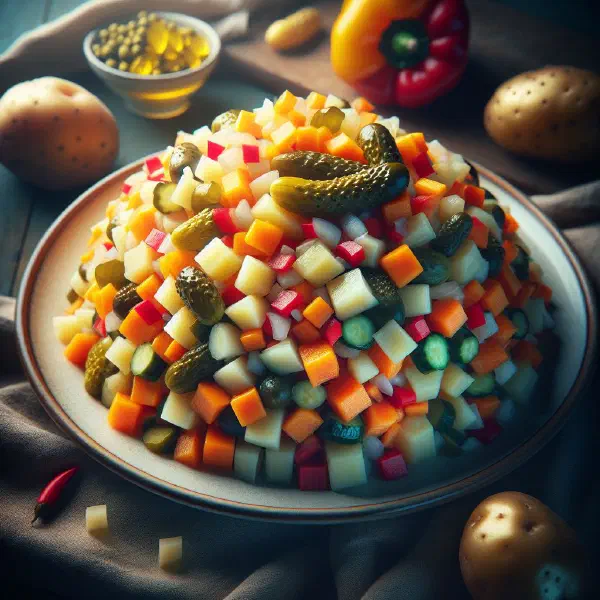
If you have no carrots to hand, or fancy trying a different flavour, you can use celery or beetroot as alternatives, the same earthy note that shines in a Vinegret. These vegetables bring their own character and add to the colourful variety of the dish. Instead of ordinary salt, flavoured salt blends can be used to give the kvashenaya kapusta a special twist.
Drink pairing ideas
The fermented character of kvashenaya kapusta pairs beautifully with a range of drinks. Classic companions include freshly pressed grape juice or a lively glass of cider. For an alcohol-free option, unsweetened herbal tea makes a refreshing choice. You can also experiment with combinations of fruity and spicy drinks that balance the salty tang of the cabbage.
Serving and presentation ideas
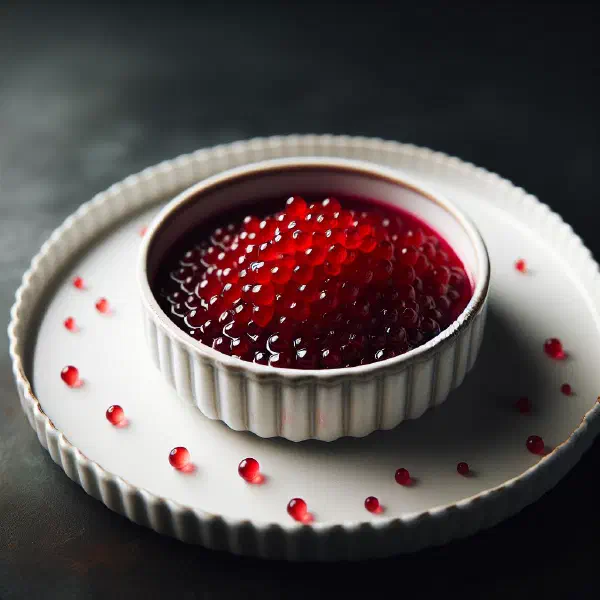
To present kvashenaya kapusta attractively, arrange the finished mixture on a handsome wooden board and let the bright colours of the cabbage and carrots take centre stage. A decorative bowl or a mason jar as serving dish makes the dish look all the more appetising. Fresh herbs such as dill or parsley can be scattered over as a garnish to round off the picture. It sits especially well next to Beetroot Caviar or a plate of Olivier Salad.
A bit of history
The tradition of fermentation has a long history in Russia, and kvashenaya kapusta is one of its best-known examples. This method of preservation was developed to keep vegetables edible and nutritious right through the winter months. The older generation in Russia holds the art of fermentation in high regard, and many families have their own secret recipes passed down from one generation to the next. It is not merely a culinary tradition but an essential part of Russian culture, much like the cabbage-filled Pirozhok s Kapustoy.
More recipe ideas
Summary: Kvashenaya Kapusta
In summary, kvashenaya kapusta is a simple, healthy dish that offers plenty of benefits. The combination of fresh vegetables and the art of fermentation creates a unique flavour experience that suits a wide variety of diets. Give it a try and discover the delicious world of Russian cuisine.