National Dish Russia: Pastila (Recipe)

In this article
Discover Pastila, one of Russia’s most enchanting sweet treats. This airy, fruity dessert is built from little more than apples, sugar and whipped egg white, yet the result is a tender, cloud-like confection with a gently tart flavour. It offers a delicious glimpse into the world of Russian patisserie. Perfect for special occasions, it brings a touch of old-world charm to any table.
About Pastila
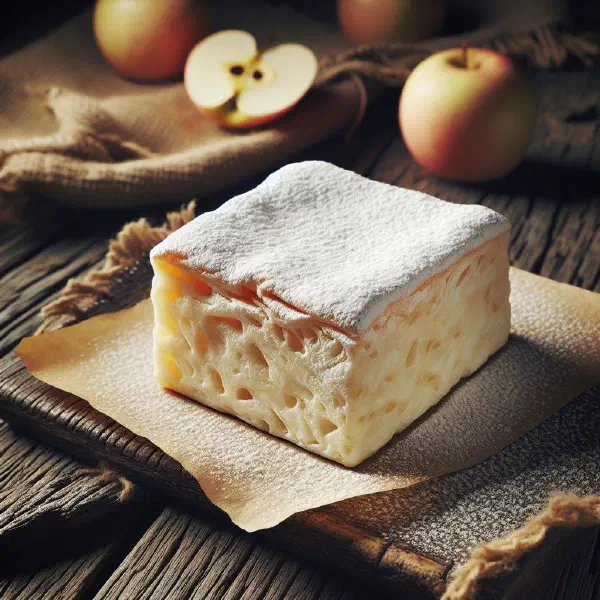
Pastila is a traditional Russian dessert with a long and proud history, treasured in the past just as much as it is today. Its main ingredients are apples, sugar and whipped egg white, which together create a delicately sweet, wonderfully light texture. Pastila is often served freshly made, though it can also be dried, a process that intensifies its fruity aromas. More than a treat for the palate, it offers a window onto Russian culture and tradition, much like the marshmallow-soft Zefir that grew from the very same craft.
Ingredients (serves 1–2)
- 200 g apples (tart varieties work well)
- 100 g sugar
- 2 eggs (whites only)
- 1 tsp lemon juice
- Flavourings of your choice (such as cinnamon)
Shopping for the ingredients
The ingredients for pastila are easy to find in any well-stocked supermarket. The apples are best chosen fresh and ripe, since they are the star of the dish. Reach for organic apples where you can, to guarantee the finest flavour and the highest quality. Sugar and eggs, meanwhile, are everyday staples already to hand in most kitchens, which makes this dessert as practical as it is appealing.
Preparing the dish
Begin by selecting and washing the apples. Peel them, remove the cores and cut them into small pieces. These prepared apples should then be brought to the boil in a pan of water and simmered until soft. Cooking them down in this way makes it far easier to work them into a smooth purée, which forms the foundation of the pastila.
Step-by-step instructions
- Add the prepared apples to a pan and cook them down briefly.
- Purée the softened apples until you reach a smooth consistency.
- Stir the sugar and lemon juice into the apple purée and mix well.
- Whisk the egg whites until stiff, then gently fold them into the apple mixture.
- Spread the mixture evenly over a baking tray lined with greaseproof paper.
- Dry in a preheated oven at a low temperature (around 60°C) for several hours.
Gluten-free / lactose-free version
The good news is that pastila is naturally gluten-free and lactose-free. That makes it a wonderful dessert option for anyone with the corresponding intolerances. You need only take care to use ingredients free of gluten or lactose, which is generally already the case with everything listed here. Because it contains no milk or dairy products, the preparation stays simple and light.
Tips for vegans and vegetarians
Vegans can make pastila by swapping the egg whites for a plant-based alternative. Products based on aquafaba, the liquid from a tin of chickpeas, are an excellent way to achieve a similar texture. Keep an eye on the sugar content as you go, so the result stays nicely balanced. This way the dessert remains a pleasure even for those following stricter dietary needs.
More tips and tricks
One useful tip is to cut the pastila into small pieces once dried and wrap them in greaseproof paper or waxed paper to keep them fresh. For a special touch, you can add different spices such as vanilla or cinnamon to tailor the flavour. Pastila also makes a lovely gift or a treat for special occasions. Experiment with different fruits to bring even more variety to your batches.
Adapting the recipe to your taste
The pastila recipe is easy to adapt to personal preference. If you like things less sweet, simply reduce the sugar or use natural sweeteners such as honey. Other fruit purées, like pear or peach, can also make for an interesting flavour combination. In this way the recipe becomes a classic and a highlight all your own.
Ingredient substitutions
If you would rather not use sugar, you can try agave syrup or stevia as an alternative. In place of apples, purées made from other fruits can be used to create different flavours, much like the berry version that gives Kisel its character. It is important that any substitutes have a similar consistency, so the original recipe is not altered too drastically. These swaps make the recipe more varied and adaptable.
Drink pairing ideas
Pastila pairs beautifully with a fine tea, particularly herbal or fruit infusions. A glass of sparkling wine or Prosecco also makes a lovely companion when the dessert is served for a special occasion. For children, intensely fruity juices or an alcohol-free cocktail work well. The choice of drink can wonderfully round off the pleasure of eating pastila, much as it does alongside a warming Kompot.
Serving and presentation ideas
For an impressive presentation, arrange the pastila on a pretty serving board. Small pieces can be garnished with fresh berries or mint to please the eye. Pairing it with a yoghurt or cream sauce can be appealing both visually and in flavour. Let your creativity run free to turn the pastila into a real centrepiece on the table, perhaps beside slices of the apple-laden Sharlotka.
A bit of history
The origins of pastila can be traced back to the 17th century, when it was first made from apples and honey. Over time the recipe evolved and was adapted across the different regions of Russia. Pastila was often served as a gift or during festive occasions, which helped its popularity grow among locals and visitors alike. This dessert is a culinary experience and a piece of Russian history and culture, standing proudly within the wider world of Russian cuisine.
More recipe ideas
Summary: Pastila
Pastila is a true work of art from Russia, made with fresh apples and sugar. This tender, airy dessert is simple to prepare and easy to adapt to your own tastes. With its many possible variations and its rich historical background, pastila is a sweet that unites tradition with contemporary flavour. Pastila is always a hit.