National Dish Russia: Rasstegai (Recipe)
In this article
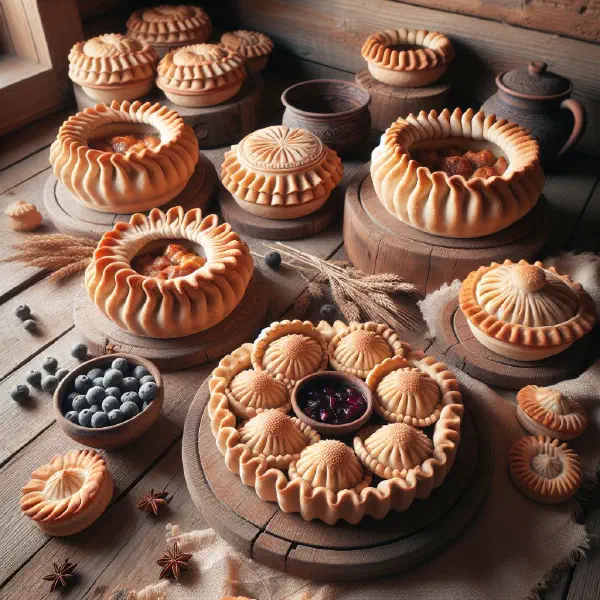
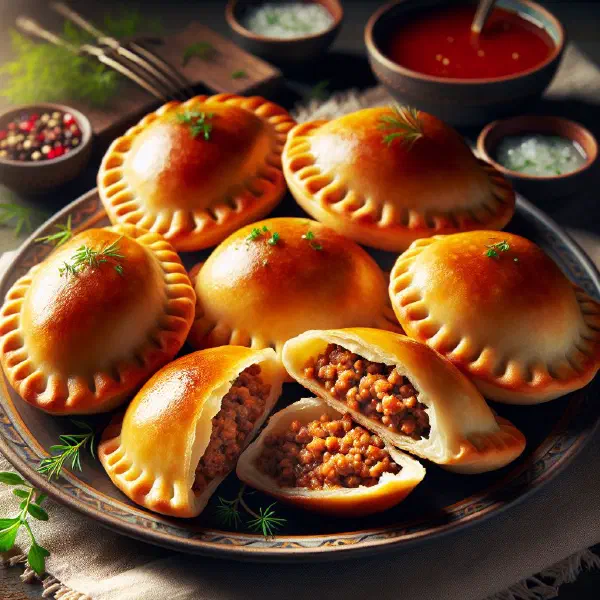
Say hello to Rasstegai, one of Russia’s most charming baked treats, little boat-shaped pies with an open top that reveals the savoury filling tucked inside. Whether stuffed with salmon, meat or earthy mushrooms, these golden pastries are equally at home as a hearty snack or as the centrepiece of a generous spread. With their tender dough and richly seasoned centre, they bring a taste of Russian home cooking straight to your kitchen.
About Rasstegai
Rasstegai is a traditional Russian dish best known for its delicious combination of soft dough and a wide variety of fillings. It grew out of Russia’s long baking tradition and has produced many regional variations over the years. The defining feature is the curved, partly open pastry, often filled with fish, meat or vegetables. The dish holds a firm place both in family kitchens and in restaurant cooking, where it is prized for its versatility and comforting flavour.
Ingredients (serves 1–2)
- 200 g plain flour
- 100 ml water
- 1 pinch of salt
- 50 ml vegetable oil
- 200 g filling of your choice (e.g. salmon or mushrooms)
- 1 egg, for glazing
Shopping for the ingredients
Before you begin, take a look in your kitchen to check which ingredients for the rasstegai you already have. Most basics such as flour, water and vegetable oil are usually in the cupboard. The filling is easy to choose at the supermarket, and fresh ingredients are especially worth seeking out, as they noticeably improve the flavour of the finished dish. If you fancy a fish filling, a good fishmonger or a Russian deli is the ideal place to start.
Preparing the dish
To get the best start with your rasstegai, gather and prepare all the ingredients first. That means sifting the flour and getting the filling ready. If you are using salmon, for example, chop it finely and season it well. When working with vegetables, it helps to blanch or gently sweat them first so they reach the right consistency before going into the dough.
Step-by-step instructions
- Combine the flour, water, salt and oil in a bowl and knead into a smooth dough.
- Let the dough rest for 30 minutes so the gluten structure can relax.
- Roll the dough out thinly on a floured surface and cut it into even pieces.
- Place the filling on the dough pieces and seal the edges well, leaving the top slightly open.
- Arrange the filled pastries on a baking tray and brush them with the beaten egg.
- Bake at 200 °C for about 20–25 minutes, or until golden brown.
Gluten-free / lactose-free version
The rasstegai is easy to make gluten-free or lactose-free. Simply swap the wheat flour for a gluten-free flour blend. For the filling, choose lactose-free alternatives such as plant-based cream or cheese. Be sure to use vegetable oils that are free from dairy, so the dish can be enjoyed by anyone with intolerances without losing its appeal.
Tips for vegans and vegetarians
For a vegan version of the rasstegai, fill the pastries with plant-based proteins such as tofu or lentils in place of fish or meat. Vegetables like spinach or courgette make the filling just as tasty and nourishing. Using vegan oil and plant-based milk alternatives in the dough is equally important to keep the dish fully vegan. Take care with the seasonings too, and avoid any animal-derived products.
More tips and tricks
A few simple tricks help your rasstegai turn out beautifully. Make sure the dough has enough time to rest so it stays elastic and easy to work with. The filling should not be too wet, or the dough will turn soggy and the pastries will lose their firm shape. Baking times can vary from oven to oven, so keep an eye on them as they bake. If you like, finish the rasstegai with extra herbs or spices to give them a special note.
Adapting the recipe to your taste
The rasstegai offers plenty of room to suit your own preferences. If you are not keen on a fish or meat filling, you can use cheese or a mix of vegetables instead. Experiment with spices to find the flavour combination that works best for you. A sweet version with fruit or jam is also possible, a style especially cherished in Russian baking, much like a Pirog with Berries.
Ingredient substitutions
If you are not familiar with some of the ingredients for the rasstegai, there are plenty of alternatives to try. Buckwheat flour, for instance, can replace wheat flour to create a gluten-free option. For the filling, more unconventional choices such as quinoa or polenta are well worth exploring. It pays to try out different combinations to discover new flavours, the same spirit of experimentation that makes a stuffed Pirog so rewarding.
Drink pairing ideas
The rasstegai pairs wonderfully with a range of drinks. Traditionally it goes well with a glass of vodka, but a fresh herbal tea or a light beer also complement it beautifully. For a non-alcoholic option, sparkling mineral water or a fruity juice works nicely. The key is that the drink supports the flavours of the dish rather than overpowering them.
Serving and presentation ideas
Presentation can make all the difference with rasstegai. Serve the filled pastries on a handsome, large platter, garnished with fresh herbs. A side of salad or a dip complements them perfectly. Be sure to serve the dish warm, so the aromas of the filling come through at their best. They make a lovely addition to any table laid with classic Russian cuisine.
A bit of history
The rasstegai has a long and interesting history in Russian cooking. It originally comes from rural Russia, where it was often prepared for festive occasions. The choice of filling was once thought to carry a particular message or to reflect the social standing of the host. Today the dish has established itself in modern gastronomy and can be found in both traditional and contemporary Russian restaurants.
More recipe ideas
Summary: Rasstegai
In short, the rasstegai is a delicious dish and an inviting journey through Russian cooking. Its variety of fillings and its many possible adaptations make it ideal for any occasion. Whether for a family celebration or a simple weekend supper, the rasstegai is sure to be appreciated. Give this recipe a try and enjoy a little piece of Russia on your plate.