National Dish Russia: Rogaliky (Recipe)

In this article
Meet Rogaliky, the tender little crescent-shaped pastries that have graced Russian kitchen tables for generations. Soft, buttery and endlessly adaptable, they can be filled with anything from fruity jam to chopped nuts or melting chocolate. These dainty rolls bring a touch of warmth and tradition to any occasion. Bring a piece of Russian home baking straight to your own oven.
About Rogaliky
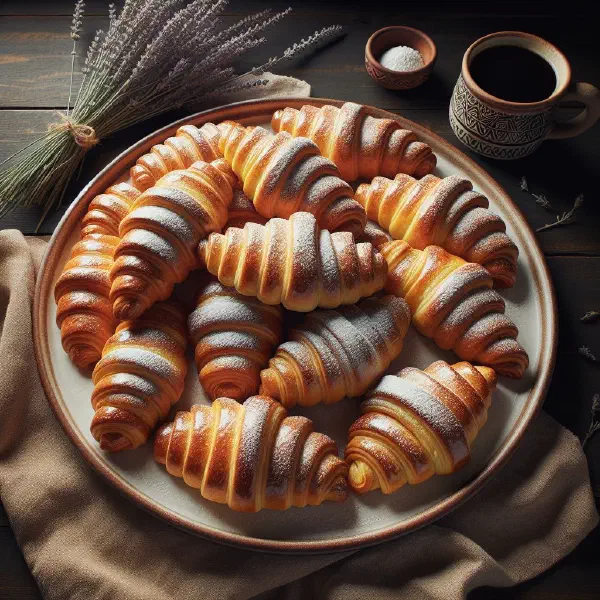
Rogaliky are a much-loved, crescent-shaped pastry from Russia, traditionally baked in homes across the country. Their soft, delicate texture and the sheer variety of possible fillings make them both an ideal snack and a delicious accompaniment to tea. Their origins can be traced back to the 19th century, and they have since been adapted in the kitchens of many countries. Cooking and baking play an important role in Russian culture, and Rogaliky are a genuine part of that culinary identity.
Ingredients (serves 1–2)
- 300 g plain flour
- 150 g butter
- 100 g sugar
- 1 egg
- 1 sachet vanilla sugar
- 1 tsp baking powder
- Filling of your choice (jam, nuts, chocolate)
- A pinch of salt
Shopping for the ingredients
To make Rogaliky especially delicious, the choice of ingredients is key. Visit your local supermarket or a Russian-German deli to pick up fresh butter and good-quality flour. Make sure your filling is fresh too, particularly if you plan to use fruit or nuts. If you need to cater for specific diets, many of the ingredients are easily substituted, so everyone can enjoy this lovely pastry.
Preparing the dish
Before you start baking, it is important to get all your ingredients ready. Measure out the flour, butter and sugar precisely to achieve the ideal consistency. Melt the butter gently so the ingredients combine more easily. Make sure, too, that your oven is preheated to 180°C for the best possible results.
Step-by-step instructions
- In a bowl, beat the melted butter, sugar, vanilla sugar and egg together thoroughly.
- Add the flour, baking powder and a pinch of salt, then knead everything into a smooth dough.
- Cover the dough and leave it to rest in the fridge for about 30 minutes.
- Roll the dough out on a floured surface and cut it into even triangles.
- Place your chosen filling on the wider end of each triangle and roll it up.
- Arrange the Rogaliky on a baking tray and bake for about 20–25 minutes until golden brown.
Gluten-free / lactose-free version
To make Rogaliky gluten-free, simply use gluten-free flour in place of regular flour. This works beautifully for anyone with a gluten intolerance or following a gluten-free diet. When choosing your butter, opt for a lactose-free alternative so the pastries suit lactose-intolerant guests too. It is easy to adapt the traditional recipe to make sure these little treats bring joy to everyone.
Tips for vegans and vegetarians
If you follow a vegan diet, the recipe for Rogaliky is easy to adapt. Instead of egg, use apple purée or a flaxseed egg replacer, which actually helps the baking process. For the butter, plant-based alternatives work nicely to keep these tender pastries vegan-friendly. A little creativity goes a long way here, and with the right ingredients everyone can enjoy delicious Rogaliky. They sit happily alongside other plant-based treats such as Pastila.
More tips and tricks
One important tip when making Rogaliky is not to over-knead the dough, so it keeps its tender consistency. Experiment with different fillings, such as chocolate chips or cheese, to discover new flavour combinations. Brushing the pastries with a little egg yolk before baking gives them a lovely golden colour. Let the Rogaliky cool before serving so they hold their shape.
Adapting the recipe to your taste
The beauty of Rogaliky lies in their versatility. You can easily tweak the basic recipe by using alternative sweeteners or trying different types of dough. Add spices such as cinnamon or nutmeg to create extra layers of flavour. The choice of filling, too, can be made entirely to your own taste, giving you countless ways to personalise the recipe, much like the spiced charm of Pryaniki.
Ingredient substitutions
If you do not have a particular filling to hand, fruit purées or jam make a fine substitute. This gives the Rogaliky a delicious taste and adds a fruity freshness. If you would rather not use sugar, alternatives such as stevia or honey can often serve as a replacement, just as honey gives Medovik its signature flavour. Take care to adjust the quantity to reach the right level of sweetness.
Drink pairing ideas
Freshly baked Rogaliky go especially well with a warm cup of tea or a freshly brewed coffee. A fragrant fruit tea brings out the fruity notes of the fillings beautifully. For a festive touch, you could also serve mulled wine or a fruity lemonade. The choice of drink can enrich your enjoyment of the Rogaliky and round off the whole tasting experience.
Serving and presentation ideas
Present your Rogaliky on a pretty serving platter or in an open basket to show them off at their best. Use fresh herbs or edible flowers as decoration, offering a lovely contrast to the light, delicate pastries. Serve them with a selection of dips or spreads and let your guests decide how they would like to enjoy their Rogaliky. An attractive presentation lifts the whole occasion and is sure to bring a smile to every face. They make a charming addition to a spread of Sushki and other tea-time bites.
A bit of history
The history of Rogaliky reaches far back into the days of the Tsarist empire. Originally conceived as a small baked good, these little pastries gradually became a popular snack right across Russia. Their shape may well have been inspired by the crescent moon, which carries symbolic meaning in Russian culture. Like many traditional recipes, Rogaliky reflect the regional culture and the preferences behind their preparation, something still felt in many families today, and a fine example of Russian cuisine.
More recipe ideas
Summary: Rogaliky
Rogaliky are more than just a pastry; they are a piece of Russian tradition, offering endless possibilities to suit every taste. Whether sweet or savoury, with the right filling and a thoughtful presentation, they become a hit on any occasion. With this recipe you can easily master the technique and rediscover the joy of baking.