National Dish Russia: Vareniki (Recipe)
In this article
Discover Vareniki, one of Russia’s most beloved comfort foods. These tender filled dumplings wrap a thin, supple dough around all manner of sweet and savoury fillings, from potato and sauerkraut to soft quark and juicy berries. Making them is as much a social ritual as a meal, drawing friends and family around the table to pinch, fold and feast together. Bring a little Russian tradition into your own kitchen and enjoy these little parcels at any occasion.
About Vareniki
Vareniki are a classic Russian dish that enjoys enormous popularity. They consist of a thin dough wrapped around a variety of fillings such as potatoes, sauerkraut or even sweet ingredients. The dish has a long heritage and is often prepared as a hearty family meal. Putting vareniki together can be a wonderfully sociable activity, bringing friends and relatives into the kitchen to cook and savour them as one. They share much of their spirit with Pelmeni, Russia’s other great dumpling.
Ingredients (serves 1–2)
- 250 g flour
- 1 egg
- 100 ml water
- 50 g butter
- Salt to taste
- Optional filling (e.g. 200 g potatoes, 100 g sauerkraut or 150 g quark)
Shopping for the ingredients
When shopping for vareniki, it is worth choosing good-quality products, particularly the flour and the butter. Wholemeal flour can be an interesting alternative, lending the dough a gentle, nutty note. A fresh egg is essential for the right consistency. If you decide on a particular filling, reach for fresh ingredients there too, so you guarantee the very best flavour.
Preparing the dish
Preparing the dish begins with kneading the dough. Sift the flour onto a clean surface, make a well in the middle, then add the egg, water and salt. Knead until the dough is smooth and supple, then leave it to rest for about 30 minutes. In the meantime you can prepare your chosen filling by cooking the ingredients and then mashing or mixing them as needed.
Step-by-step instructions
- Knead the flour, egg, water and salt into a smooth dough.
- Leave the dough to rest for 30 minutes.
- Roll the dough out thinly and cut it into circles.
- Place a spoonful of filling in the centre of each circle.
- Fold the circles over and press the edges firmly to seal.
- Cook the vareniki in boiling salted water for about 5–7 minutes.
- Serve with melted butter, cream or your favourite dip.
Gluten-free / lactose-free version
For a gluten-free version you can use a gluten-free flour that is suited to pasta and dough work. The method stays the same, though bear in mind that gluten-free flour may call for slightly different amounts of liquid. For a lactose-free variation, simply swap the butter for a plant-based butter or margarine. That way even people with intolerances can enjoy these delicious dumplings without missing out.
Tips for vegans and vegetarians
If you are looking for tips for vegans and vegetarians, the filling is easy to adapt. In place of animal products you might use puréed vegetables, beans or seasoned tofu. The dough has plant-based options too: replace the egg with water and a little starch to bind it. This makes the dish appealing to vegans and to health-conscious eaters, much like a hearty plate of Mushroom Vareniki.
More tips and tricks
Here are a few more tips and tricks to perfect your vareniki. Take care to seal the edges well so the filling does not escape during cooking. Experiment with different fillings and seasonings to create your own signature flavours. If you are catering for a large group, you can also make the vareniki in advance and freeze them, ready to drop into boiling water whenever you need them.
Adapting the recipe to your taste
Adapting the recipe to your taste is a great way to make vareniki even more your own. Feel free to try out different combinations for the filling, such as spinach and feta or even sweet berries with sugar, close cousins of Vareniki with Cherries. The texture of the dough can be varied too: use a little less water, for example, to achieve a firmer result.
Ingredient substitutions
There are plenty of substitutions to consider when making vareniki. Instead of wheat flour you might use alternative flours such as buckwheat or chickpea flour. For the filling, plant-based yoghurts or plant-based cream make perfectly good additions. Find out which ingredients work best for you and adjust the recipe accordingly.
Drink pairing ideas
The right drinks can lift the whole experience considerably. Among the best pairing ideas are traditional drinks like Kompot or Kvass, which harmonise beautifully with the savoury character of vareniki. For a more modern touch you could serve a crisp white wine or a fresh herbal tea. Remember that your choice of drink can shape the flavour and feel of the whole meal.
Serving and presentation ideas
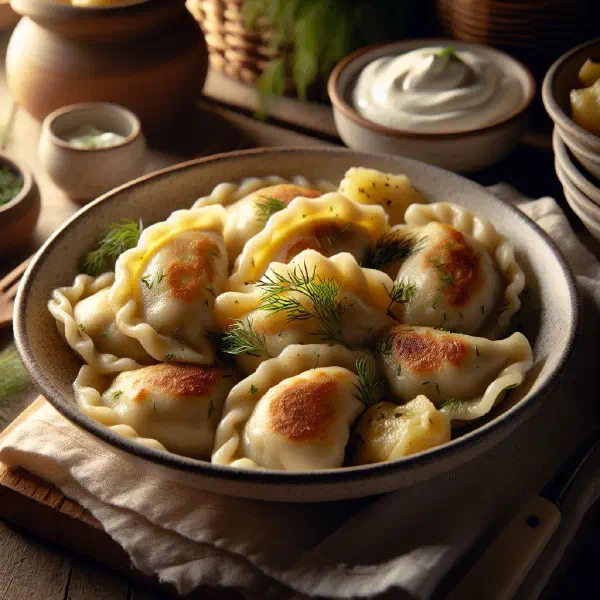
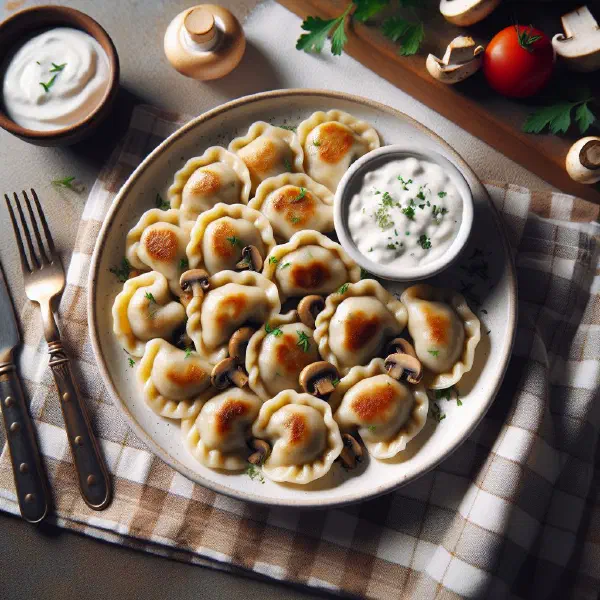
The presentation of vareniki can matter just as much as the taste. Serve them on a pretty plate, garnished with fresh herbs or a dollop of sour cream for an inviting look. A few fresh accompaniments, such as a salad or pickled vegetables, can round the dish out nicely. An attractive arrangement turns a simple meal into a real feast.
A bit of history
The history of vareniki is fascinating and reflects the culinary culture of Russia. Originally rooted in Eastern European cooking, vareniki have found a firm place in people’s hearts and appetites. The dish is nourishing and a way of coming together, often served at festivals and special occasions. There are many regional variations that showcase the diversity of Russian cuisine.
More recipe ideas
Summary: Vareniki
In summary, vareniki are a versatile and tasty dish that adapts easily to personal preference. With a range of fillings and alternatives, you can modify the recipe to suit your own taste. Whether sweet or savoury, vareniki bring variety and fun to any kitchen. Let tradition inspire you and enjoy these delicious little dumplings on every occasion.