National Dish Rwanda: Beans and Plantains (Recipe)
In this article
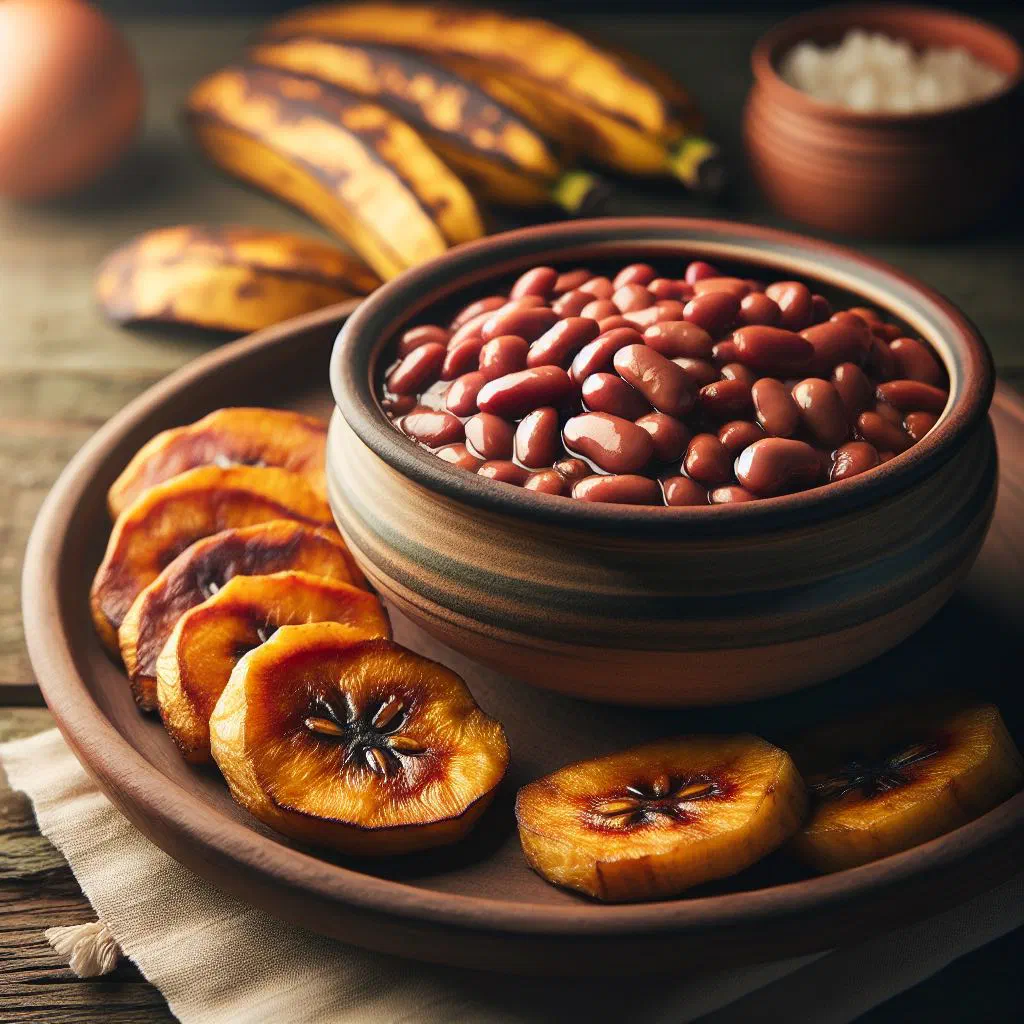
Meet Beans and Plantains, one of Rwanda’s most cherished national dishes and a wonderful window into East African home cooking. It brings together hearty beans and tender plantains for a plate that is nourishing, satisfying and gently spiced. Naturally wholesome and endlessly adaptable, it suits almost any diet and reflects the warmth and community spirit at the heart of Rwandan life. Bring a taste of Rwanda to your own kitchen with this comforting, everyday classic.
About Beans and Plantains
Rwandan cooking is rich in tradition and full of variety, and few plates capture it better than Beans and Plantains. The pairing of protein-packed beans with soft, tender plantains delivers a distinctive flavour alongside an impressive nutritional punch. It is a fine example of African home cooking and mirrors Rwanda’s cultural identity beautifully. Simple to prepare yet deeply satisfying, this dish is enjoyed as an everyday meal across the country and sits comfortably within the wider world of Rwandan cuisine.
Ingredients (serves 1–2)
- 1 cup dried beans (white or red)
- 2–3 ripe plantains
- 1 onion
- 2 garlic cloves
- 1 teaspoon ground cumin
- 1 tablespoon oil (such as sunflower or olive oil)
- Salt and pepper to taste
- Water
Shopping for the ingredients
When shopping for Beans and Plantains, it is worth paying attention to the freshness and origin of your produce. Choose dried beans that are as fresh as possible and well packaged, as this gives the best flavour once cooked. The plantains should be ripe but not overripe, or they may fall apart during cooking. Visit a local market or an African or Asian grocery to track down the best ingredients, much as you would when shopping for a hearty Groundnut Stew.
Preparing the dish
Good preparation is the key to a successful result. Begin by soaking the dried beans overnight, which shortens the cooking time and helps the nutrients become more available. The next day, rinse the beans thoroughly under running water. While that is underway, finely chop the onion and garlic so their aroma can develop in the next step. Peel the plantains and cut them into slices to ensure they cook through evenly.
Step-by-step instructions
- Bring the soaked beans to the boil in a pan of fresh water, then simmer until soft (about 1 hour).
- Heat the oil in a frying pan and sauté the chopped onion and garlic until translucent.
- Add the cumin and fry briefly to release its aroma.
- Drain the cooked beans and add them to the onion mixture, stirring well to combine.
- Add the plantain slices, fold them in gently and cook everything together for a few minutes.
- Season with salt and pepper and serve hot.
Gluten-free / lactose-free version
Beans and Plantains is naturally gluten-free and lactose-free, so it can be enjoyed by anyone with an intolerance. When choosing your oil, simply pick a neutral one that is also gluten-free. No further adjustments are needed to make the dish accessible to those with special dietary requirements, which makes it an easy, worry-free option for mixed tables.
Tips for vegans and vegetarians
This dish is ideal for vegans and vegetarians, as it contains only plant-based ingredients and is rich in protein and fibre. To sharpen the flavour further, add spices such as paprika or chilli. Experimenting with other vegetables, such as spinach or tomatoes, can also offer a tasty variation. That makes it not only nourishing but wonderfully flexible for every kind of eating habit.
More tips and tricks
For the best result, make sure the beans are thoroughly cooked, as this aids digestion and makes their nutrients easier to absorb. If you prefer a creamier texture, purée a portion of the beans and stir them back into the mixture. Remember, too, to garnish the dish with fresh herbs such as parsley or coriander for a burst of freshness. These small touches can lift the flavour considerably and make the meal more inviting.
Adapting the recipe to your taste
Beans and Plantains is highly flexible and easy to tailor to personal preference. Add spices or herbs such as coriander or thyme to ring the changes, or try different varieties of beans for new flavours and textures. That is how fresh and exciting combinations are born. It is a dish that rewards a bit of improvisation.
Ingredient substitutions
If you do not have dried beans to hand, tinned beans work well and need far less cooking time. For the plantains, ordinary bananas offer an experimental alternative, though the flavour will differ. Pumpkin or sweet potatoes are creative stand-ins too, harmonising nicely with the other flavours, the same comforting spirit you will find in Ibihaza or a plate of Amateke. Swaps like these keep the dish exciting and let you play with different textures and tastes.
Drink pairing ideas
Refreshing drinks pair beautifully with Beans and Plantains and complement its flavours. Start with a fruity juice, perhaps pineapple or mango, which supports the dish wonderfully. Alternatively, unsweetened teas or sparkling water with a slice of lemon make a refreshing choice. Consider adding a few tropical cocktails if you are settling in for a sociable evening with friends.
Serving and presentation ideas
Serve Beans and Plantains in an attractive, wide bowl to show off its colours and textures. A few fresh herb leaves as a garnish lend the dish a touch of elegance. Set out some red chillies or lime wedges on the table too, so guests can adjust the seasoning to their liking. Thoughtful presentation can greatly enhance the enjoyment of the meal and turn it into something special.
A bit of history
Beans and plantains are more than a meal; they stand for the history and culture of Rwanda. The bean has a long tradition in African diets and is central to many communities. Plantains, which thrive above all in tropical regions, are an important food source and have proved wonderfully versatile. These ingredients have accompanied the people of Rwanda for centuries and remain a symbol of togetherness and community, a theme echoed across dishes like Igisafuria and Isombe.
More recipe ideas
Summary: Beans and Plantains
In short, Beans and Plantains is simple to prepare and healthy and filling. The combination of protein-rich beans and nutrient-packed plantains is an excellent choice for a balanced diet. With various tweaks and variations, the recipe is easily shaped to personal preference and leaves plenty of room for creativity. Enjoy the flavours of Rwanda and bring a piece of African culture into your own kitchen.