National Dish Rwanda: Ikivuguto (Recipe)
In this article
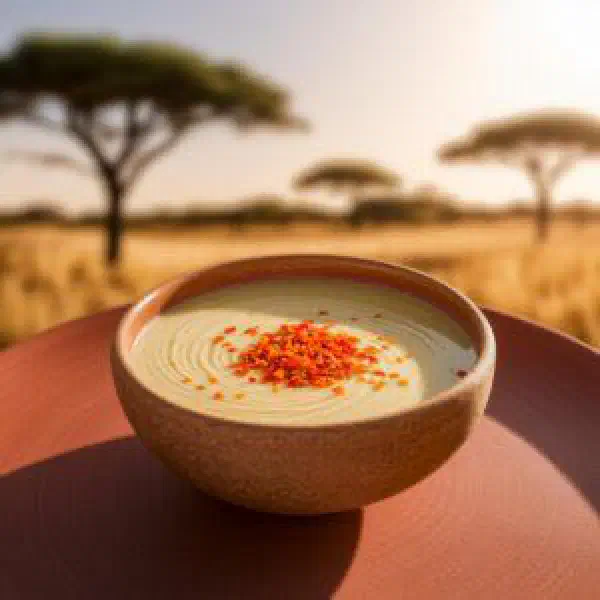
Meet Ikivuguto, the traditional pride of Rwandan kitchens. This gently soured, cultured milk is as simple to make as it is nourishing, offering a tangy, refreshing taste alongside a wealth of probiotic benefits. More than just an everyday staple, it is a warm symbol of Rwandan hospitality, shared at family gatherings and special occasions alike. With little more than fresh milk and a spoonful of yoghurt, you can bring a taste of Rwandan tradition to your own table.
About Ikivuguto
Ikivuguto is the traditional national dish of Rwanda, celebrated for its distinctive flavour and its many health benefits. This fermented milk has a long history and is a dietary staple and a mark of Rwandan hospitality. In many households it is enjoyed daily, and it is especially popular at family celebrations and on special occasions. The preparation is wonderfully simple, bringing the rich culture and tradition of the country straight to the table.
Ingredients (serves 1–2)
- 500 ml fresh whole milk
- 1–2 tablespoons natural yoghurt (as a starter culture)
- A clean glass jar with a lid
- Optional: a little honey or sugar for sweetness
Shopping for the ingredients
The ingredients for ikivuguto are easy to find in most supermarkets and at weekly markets. Be sure to choose the freshest whole milk you can, as the quality of the milk has a big influence on the flavour of the finished drink. Natural yoghurt acts as the starter culture and should come from a good-quality, unadulterated product to support fermentation at its best. It is worth turning to local suppliers to guarantee the finest produce.
Preparing the dish
Preparing ikivuguto is remarkably straightforward and takes only a few steps. First, all your utensils should be cleaned thoroughly to ensure good hygiene. The glass jar in which the fermentation will take place should be sterile to prevent the growth of unwanted bacteria. It is a good idea to bring the milk to room temperature before you begin the fermentation.
Step-by-step instructions
- Pour the fresh whole milk into the glass jar.
- Add 1–2 tablespoons of natural yoghurt and stir everything together well.
- Cover the jar with a clean cloth or lid, but leave a small gap so air can circulate.
- Place the jar in a warm spot (around 20–30°C) and leave it to ferment for 24–48 hours.
- Once the fermentation time is up, stir the ikivuguto and sweeten with honey or sugar if you like.
Gluten-free / lactose-free version
Ikivuguto is naturally gluten-free, as the main ingredients are simply milk and yoghurt. For anyone with a lactose intolerance, however, a lactose-free milk can be used. This keeps the dish accessible to everyone without triggering the typical symptoms of lactose sensitivity. Take care to use a lactose-free yoghurt as the starter culture too.
Tips for vegans and vegetarians
For vegan versions of ikivuguto, plant-based alternatives such as oat milk, almond milk or coconut milk can be used. These not only offer a different flavour but are also a great option for anyone wishing to avoid dairy. To kick-start the fermentation, a vegan yoghurt containing probiotics works well. It is important to keep an eye on the fermentation time, as plant-based milks can behave differently.
More tips and tricks
For an even better tasting experience, you can enrich ikivuguto with further ingredients. Fresh fruits such as bananas or mangoes can be added to provide extra sweetness and nutrients. Ikivuguto also works beautifully as an ingredient in dressings or smoothies, giving them a creamy and healthy lift. Experiment with different flavours to create your very own favourite version.
Adapting the recipe to your taste
The recipe for ikivuguto is highly adaptable, depending on your personal preferences and what you have to hand. You can adjust the sweetness to your liking by adding more or less honey or sugar. The fermentation time can vary too; the longer you leave the mixture to stand, the more sour it becomes. Try out different variations to find the perfect balance between sweetness and tang.
Ingredient substitutions
If you do not have whole milk on hand, you can also use sheep’s or goat’s milk to make ikivuguto. These alternatives introduce different flavours that can be equally delicious. If you cannot find natural yoghurt, there may be other probiotic yoghurt alternatives that can be used as a starter culture. When in doubt, take a look at the ingredient list to make sure they are suitable for fermentation. This cultured milk is often used as the tangy base for a bowl of Ubugari or alongside hearty Beans and Plantains.
Drink pairing ideas
Ikivuguto pairs superbly with a wide range of drinks. It harmonises particularly well with fresh fruit juices, which lend the fermented milk an extra dose of freshness. Herbal teas or plain water are also excellent companions for the meal. Anyone wishing to try something more exotic can opt for a combination of ikivuguto and ginger ale for a refreshing drink with a pleasant kick of warmth.
Serving and presentation ideas
An attractive presentation can enrich the eating experience enormously. Serve the ikivuguto in beautiful, colourful bowls and garnish it with fresh fruit or a drizzle of honey on top. Use colourful herbs to brighten the dish and add an extra hit of freshness. Rustic tableware can help to reflect traditional Rwandan cooking and turn the meal into a real occasion, much like a spread of Brochettes or Isombe.
A bit of history
Ikivuguto has its origins in Rwandan culture and has been prepared for centuries. The fermentation of milk is an ancient tradition that serves to preserve it and to enrich its flavour. Ikivuguto is an important part of many households and is often served at celebrations and festivals. It is a symbol of community and sharing, values that carry great meaning in Rwandan culture and run through much of Rwandan cuisine.
More recipe ideas
Summary: Ikivuguto
Ikivuguto is a wonderful example of the rich culinary traditions of Rwanda. The combination of fresh milk and natural yoghurt offers a delicious flavour and valuable probiotic properties. It is simple to make and calls for just a few good-quality ingredients that are available in any supermarket. With ikivuguto you can bring a piece of Rwandan culture into your kitchen while also enjoying the health benefits this fermented milk has to offer.