National Dish Rwanda: Ndamu (Recipe)
In this article
Meet Ndamu, the comforting bean dish at the heart of Rwandan home cooking. Built around tender beans simmered with onion, garlic and warm spices, it is as nourishing as it is satisfying. Often served alongside maize or sweet potatoes, Ndamu is more than a meal. It is a dish made for sharing, bringing family and friends together around the table. Bring a taste of Rwanda’s warm hospitality straight to your own kitchen.
About Ndamu
Ndamu is the national dish of Rwanda and captures the country’s traditions and culture in the most delicious way. At its core are beans, a staple that plays an important role across many African kitchens. Ndamu is often paired with maize or sweet potatoes, which add extra flavour and nourishment to the plate. Enjoying Ndamu is a culinary experience and a social act, one that draws people together and reflects the shared spirit of Rwandan life.
Ingredients (serves 1–2)
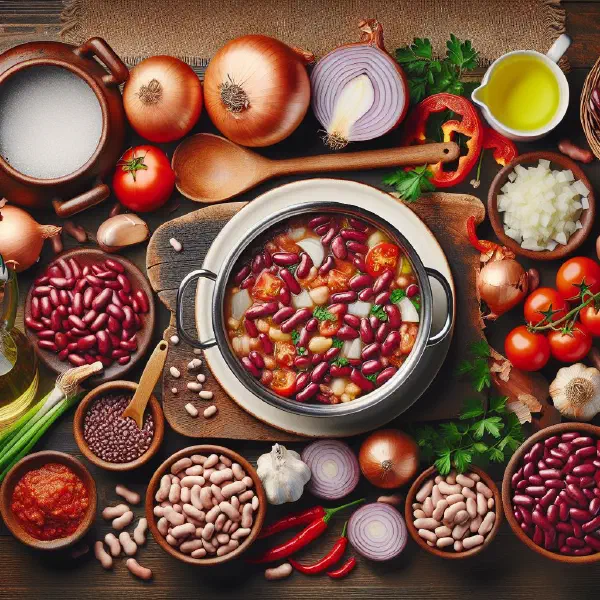
- 200 g dried black beans
- 1 medium onion
- 2 cloves of garlic
- 1 teaspoon cumin
- 2 tablespoons vegetable oil
- Salt and pepper to taste
- Optional: 300 g maize or sweet potatoes
Shopping for the ingredients
When shopping for the ingredients for Ndamu, you will find most of what you need in local supermarkets or at market stalls. Dried beans are usually stocked in the pulses aisle and make an excellent source of protein. Where you can, choose organic dried beans to get the greatest nutritional benefit. Buy your onions, garlic and spices fresh and of good quality to make sure the finished dish delivers its full flavour.
Preparing the dish
Preparing Ndamu begins with soaking the beans. This step is important, as it shortens the cooking time and helps the beans turn out tender. It is best to soak the beans in water overnight. The next day, rinse them thoroughly before you start cooking so they are clean and ready for the pan.
Step-by-step instructions
- Put the soaked beans into a large pot and cover them with fresh water.
- Bring the beans to the boil, then reduce the heat and simmer for 45 to 60 minutes until soft.
- In a separate pan, heat the vegetable oil and sauté the onion and garlic until golden brown.
- Add the spices, including the cumin, and toast briefly to release their aromas.
- Drain the cooked beans and add them to the onion and garlic mixture in the pan.
- Season with salt and pepper and stir well to bring everything together.
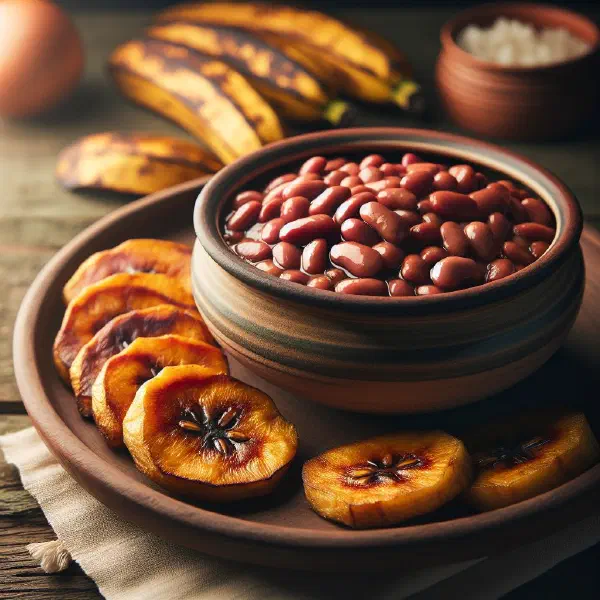
- Optionally, serve the cooked maize or sweet potatoes alongside as a side dish.
Gluten-free / lactose-free version
Ndamu is naturally gluten-free and lactose-free, which makes it an ideal choice for anyone with these intolerances. The main ingredients, beans, onions and spices, contain nothing that would cause a problem. If you follow a vegan or vegetarian diet, this dish is equally well suited to you. Take care to use fresh, unprocessed ingredients to achieve the best results.
Tips for vegans and vegetarians
Ndamu is a delicious dish for vegans and vegetarians, as it is rich in plant-based protein and contains no animal products at all. To make it even more interesting, you can add vegetables such as carrots or spinach. These bring extra nutrients and flavour and texture. Using a range of different spices is another good way to vary the dish and adapt it to your taste, much as you would with a hearty Groundnut Stew.
More tips and tricks
To make Ndamu even tastier, feel free to experiment with spices. Ajwain or paprika, for example, can add a pleasant depth of flavour. Cooking the beans in vegetable stock instead of water also lends extra richness. Be sure to check the beans carefully before cooking and remove any damaged or split ones so the dish turns out perfectly.
Adapting the recipe to your taste
Ndamu is a flexible dish that is easy to tailor to personal preference. If you like it hotter, add chilli or a hot pepper or two. For a smokier note, reach for smoked spices. You can also vary the recipe by trying different types of bean, such as kidney beans or white beans. Changes like these enrich the dish and open up new flavour experiences, a spirit of adaptation shared by Beans And Plantains.
Ingredient substitutions
If you do not have certain ingredients to hand, there are plenty of alternatives you can use. Lentils, for instance, work well in place of beans to create a similar dish. If onions are unavailable, spring onions or leeks make an excellent option. Likewise, different cooking oils such as coconut oil or olive oil can be used to refine the dish to your liking.
Drink pairing ideas
Many drinks go beautifully with Ndamu. Freshly pressed juice, such as pineapple or mango, complements the savoury flavours of the dish perfectly. A fruity tea can also be a refreshing accompaniment. If you prefer something alcoholic, a light white wine or a malty beer pairs nicely, as does the traditional Urwagwa for the more adventurous.
Serving and presentation ideas
The presentation of Ndamu can add greatly to the enjoyment. Serve the dish in an attractive, shallow bowl and add fresh herbs such as coriander or parsley as a garnish. Colourful sides like sweet vegetables or a bright salad mix also work well alongside. A few lime wedges around the edge of the plate provide a lovely contrast and a welcome hit of freshness.
A bit of history
Ndamu has a rich cultural history in Rwanda and is far more than just a dish. It is a symbol of Rwandan togetherness. The tradition of eating together plays a central role in daily life, and Ndamu is often part of large family gatherings or celebrations. Preparing and sharing Ndamu stands for community and unity, values that carry great meaning in Rwandan culture. Passed down from generation to generation over the centuries, the recipe has grown into what it is today and remains a cornerstone of Rwandan cuisine.
More recipe ideas
Summary: Ndamu
Ndamu is a delicious and nourishing dish that holds great meaning in Rwandan culture. It brings together the flavours of beans, onions and spices, and is often served with maize or sweet potatoes. It is simple to prepare, and there are countless ways to adapt it to your personal taste. Give Ndamu a try and discover the varied, warm-hearted flavours of Rwanda.